Marian Smith – författare
Visar alla böcker från författaren Marian Smith. Handla med fri frakt och snabb leverans.
8 produkter
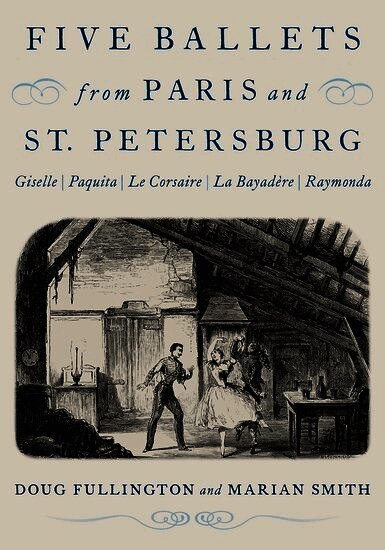
Five Ballets from Paris and St. Petersburg
Giselle | Paquita | Le Corsaire | La Bayadère | Raymonda
Av Doug Fullington, Marian Smith
Inbunden, 2024
1243 kr
Lägg i varukorg
Five Ballets from Paris and St. Petersburg offers fascinating new looks at five classic story ballets: Giselle (1841), Paquita (1846), Le Corsaire (1856), La Bayadère (1877), and Raymonda (1898), drawing on a treasure trove of manuscripts that offer explicit written information about how many …
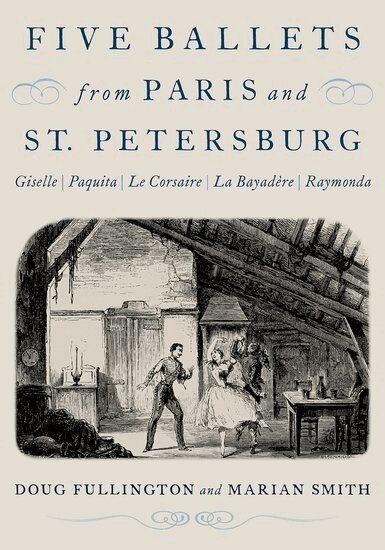
Five Ballets from Paris and St. Petersburg
Giselle | Paquita | Le Corsaire | La Bayadère | Raymonda
Av Doug Fullington, Marian Smith
Häftad, 2024
545 kr
Lägg i varukorg
Five Ballets from Paris and St. Petersburg offers fascinating new looks at five classic story ballets: Giselle (1841), Paquita (1846), Le Corsaire (1856), La Bayadère (1877), and Raymonda (1898), drawing on a treasure trove of manuscripts that offer explicit written information about how many …
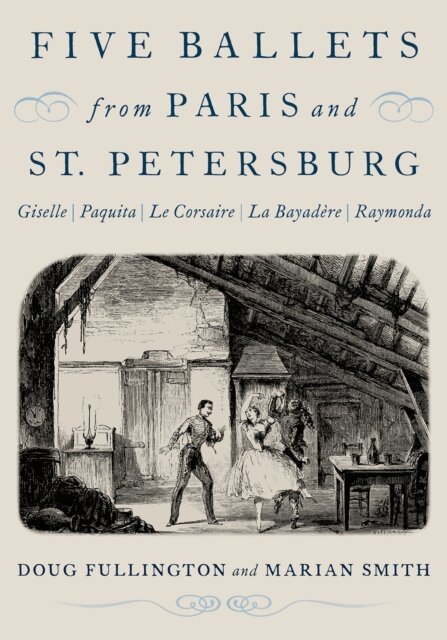
Five Ballets from Paris and St. Petersburg
Giselle | Paquita | Le Corsaire | La Bayadere | Raymonda
Av Marian Smith, Doug Fullington
E-bok, 2024
493 kr
Lägg i varukorg
Five Ballets from Paris and St. Petersburg offers fascinating new looks at five classic story ballets: Giselle (1841), Paquita (1846), Le Corsaire (1856), La Bayadere (1877), and Raymonda (1898), drawing on a treasure trove of manuscripts that offer explicit written information about how many …
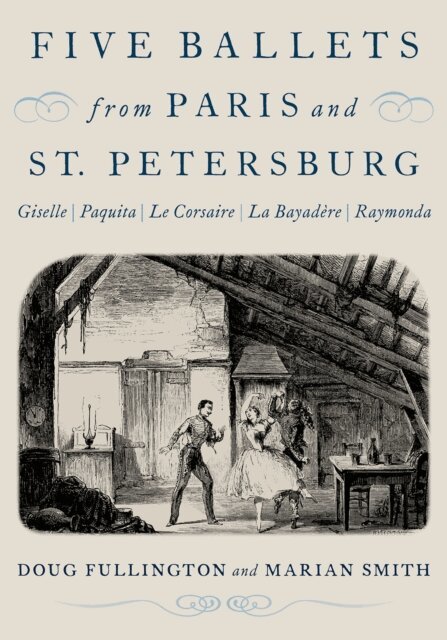
Five Ballets from Paris and St. Petersburg
Giselle | Paquita | Le Corsaire | La Bayadere | Raymonda
Av Marian Smith, Doug Fullington
E-bok, 2024
504 kr
Lägg i varukorg
Five Ballets from Paris and St. Petersburg offers fascinating new looks at five classic story ballets: Giselle (1841), Paquita (1846), Le Corsaire (1856), La Bayadere (1877), and Raymonda (1898), drawing on a treasure trove of manuscripts that offer explicit written information about how many …
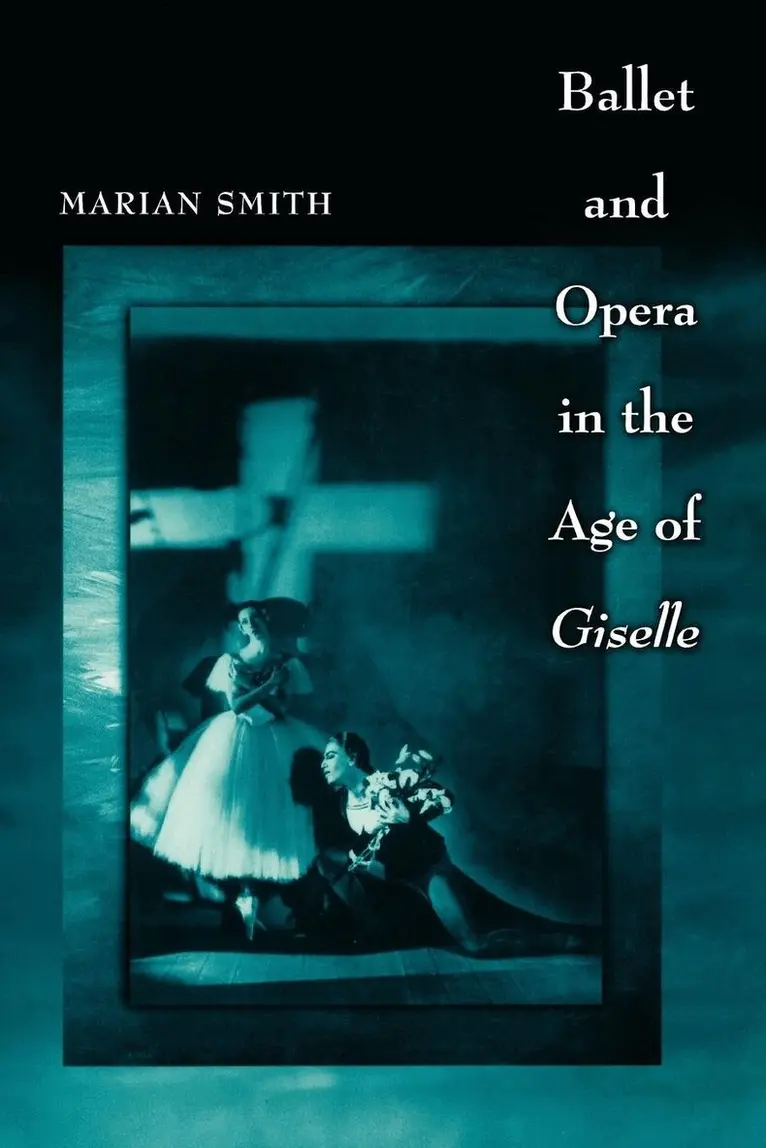
Ballet and Opera in the Age of Giselle
Av Marian Smith
Häftad, 2010
432 kr
Lägg i varukorg
Marian Smith recaptures a rich period in French musical theater when ballet and opera were intimately connected. Focusing on the age of Giselle at the Paris Opera (from the 1830s through the 1840s), Smith offers an unprecedented look at the structural and thematic relationship between the two …
Ballet and Opera in the Age of Giselle
Av Marian Smith
E-bok, 2010
588 kr
Lägg i varukorg
Marian Smith recaptures a rich period in French musical theater when ballet and opera were intimately connected. Focusing on the age of Giselle at the Paris Opéra (from the 1830s through the 1840s), Smith offers an unprecedented look at the structural and thematic relationship between the two …