Marianna Klar - Böcker
Visar alla böcker från författaren Marianna Klar. Handla med fri frakt och snabb leverans.
4 produkter
4 produkter
573 kr
Skickas inom 10-15 vardagar
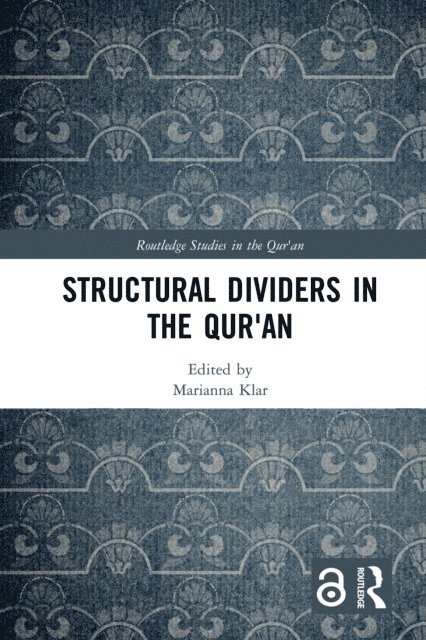
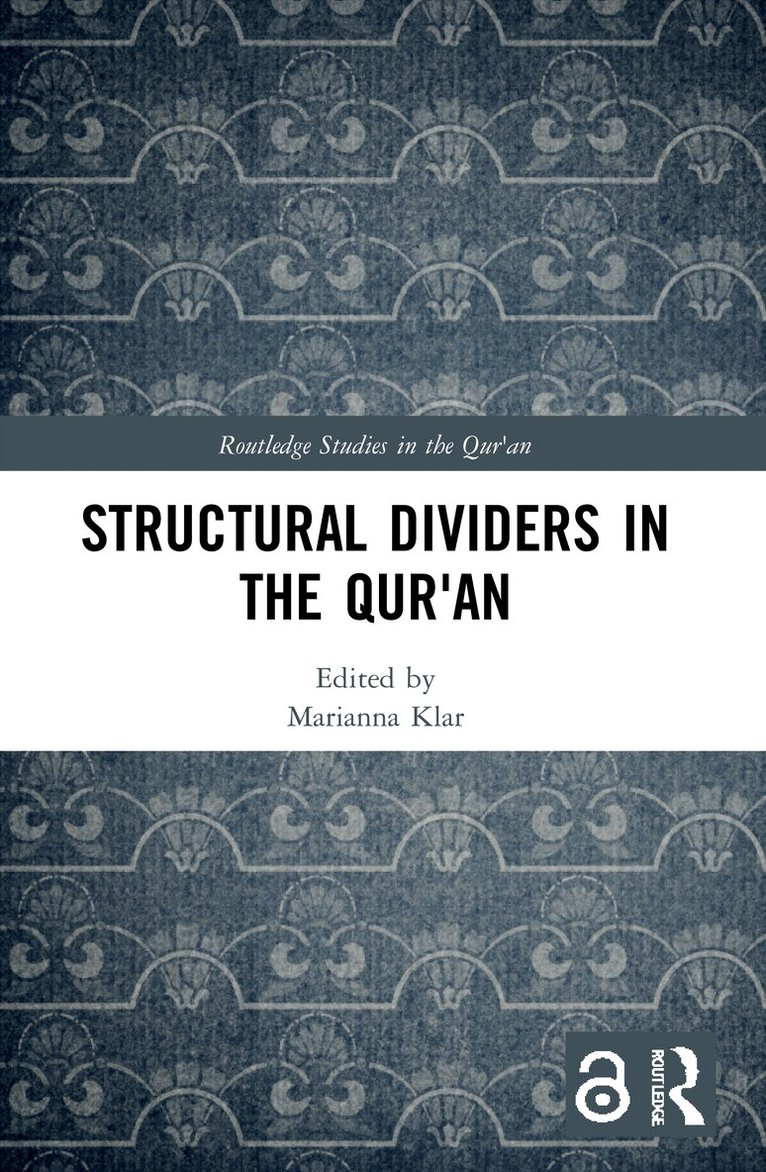
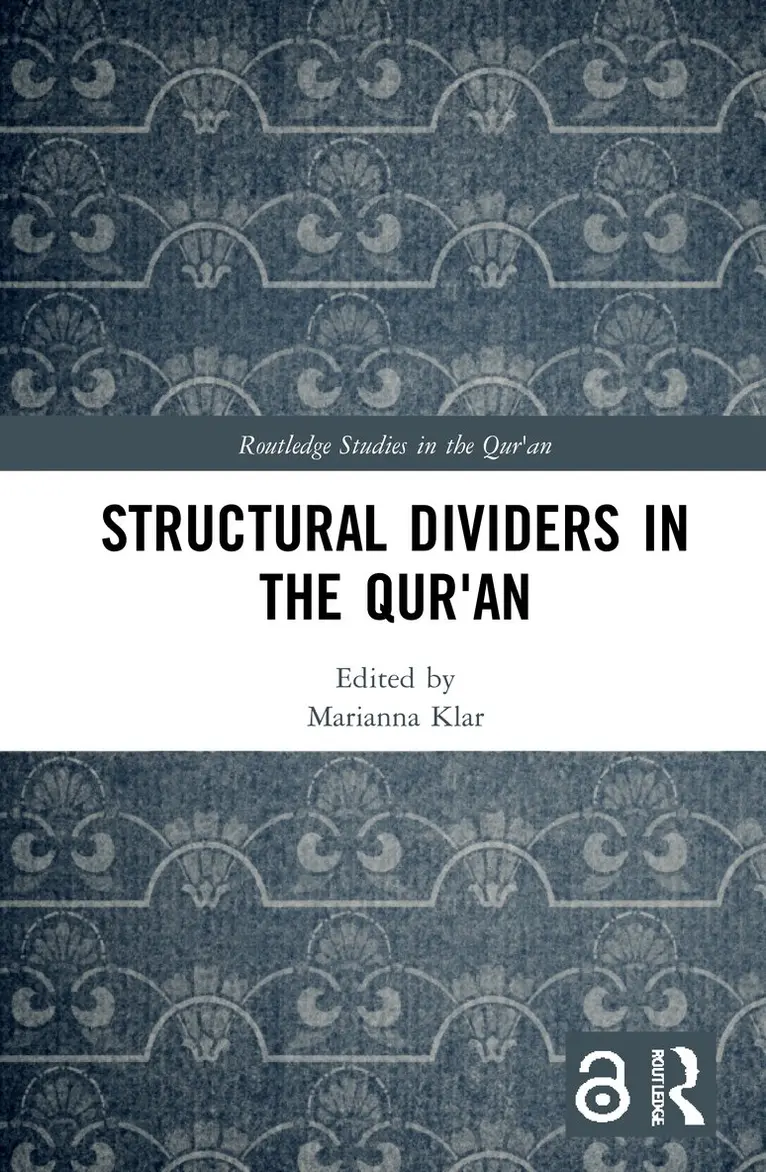
This volume showcases a wide range of contemporary approaches to the identification of literary structures within Qur’anic surahs. Recent academic studies of the Qur’an have taken an increasing interest in the concept of the surah as a unity and, with it, the division of complete surahs into consecutive sections or parts.Part One presents a series of case studies focussing on individual Qur’anic surahs. Nevin Reda analyzes the structure of Sūrat Āl ʿImrān (Q 3), Holger Zellentin looks at competing structures within Sūrat al-ʿAlaq (Q 96), and A.H. Mathias Zahniser provides an exploration of the ring structures that open Sūrat Maryam (Q 19). Part Two then focusses on three discrete aspects of the text. Nora K. Schmid assesses the changing structural function of oaths, Marianna Klar evaluates how rhythm, rhyme, and morphological parallelisms combine in order to produce texture and cohesion, while Salwa El-Awa considers the structural impact of connectives and other discourse markers with specific reference to Sūrat Ṭāhā (Q 20). The final section of the volume juxtaposes contrasting attitudes to the discernment of diachronic seams. Devin Stewart examines surah-medial oracular oaths, Muhammad Abdel Haleem questions a range of instances where suggestions of disjointedness have historically been raised, and Nicolai Sinai explores the presence of redactional layers within Sūrat al-Nisāʾ (Q 4) and Sūrat al-Māʾidah (Q 5).Bringing a combination of different approaches to Qur’an structure into a single book, written by well-established and emerging voices in Qur’anic studies, the work will be an invaluable resource to academics researching Islam, religious studies, and languages and literatures in general.Chapters 3 and 6 of this book are freely available as downloadable Open Access PDFs at http://www.taylorfrancis.com under a Creative Commons [Attribution-Non Commercial-No Derivatives (CC-BY-NC-ND)] 4.0 license.
2 096 kr
Skickas inom 10-15 vardagar
This volume showcases a wide range of contemporary approaches to the identification of literary structures within Qur’anic surahs. Recent academic studies of the Qur’an have taken an increasing interest in the concept of the surah as a unity and, with it, the division of complete surahs into consecutive sections or parts.Part One presents a series of case studies focussing on individual Qur’anic surahs. Nevin Reda analyzes the structure of Sūrat Āl ʿImrān (Q 3), Holger Zellentin looks at competing structures within Sūrat al-ʿAlaq (Q 96), and A.H. Mathias Zahniser provides an exploration of the ring structures that open Sūrat Maryam (Q 19). Part Two then focusses on three discrete aspects of the text. Nora K. Schmid assesses the changing structural function of oaths, Marianna Klar evaluates how rhythm, rhyme, and morphological parallelisms combine in order to produce texture and cohesion, while Salwa El-Awa considers the structural impact of connectives and other discourse markers with specific reference to Sūrat Ṭāhā (Q 20). The final section of the volume juxtaposes contrasting attitudes to the discernment of diachronic seams. Devin Stewart examines surah-medial oracular oaths, Muhammad Abdel Haleem questions a range of instances where suggestions of disjointedness have historically been raised, and Nicolai Sinai explores the presence of redactional layers within Sūrat al-Nisāʾ (Q 4) and Sūrat al-Māʾidah (Q 5).Bringing a combination of different approaches to Qur’an structure into a single book, written by well-established and emerging voices in Qur’anic studies, the work will be an invaluable resource to academics researching Islam, religious studies, and languages and literatures in general.Chapters 3 and 6 of this book are freely available as downloadable Open Access PDFs at http://www.taylorfrancis.com under a Creative Commons [Attribution-Non Commercial-No Derivatives (CC-BY-NC-ND)] 4.0 license.
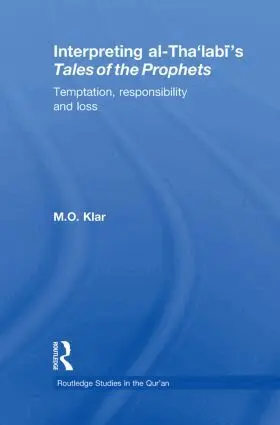
Interpreting al-Tha'labi's Tales of the Prophets
Temptation, Responsibility and Loss
Inbunden, Engelska, 2009
2 164 kr
Skickas inom 10-15 vardagar
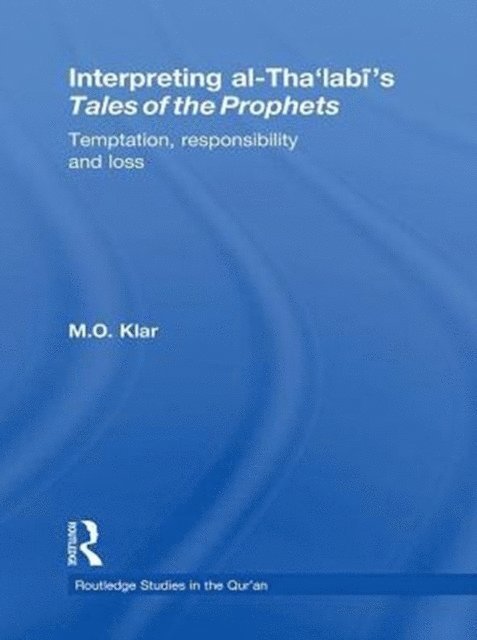
Al-Tha’labi was a renowned Qur’anic scholar of the fifth/eleventh century, and his ‘Ara’is al-majalis is arguably the finest and most widely consulted example of the Islamic qisas al-anbiya’ genre. Drawing on primary Arabic sources, Klar applies modern critical methods in order to explore the nature of al-Tha’labi’s ‘Ara'is al-majalis within its historical and literary context, and thereby produces a compelling examination of the stories of Noah, Job, Saul and David as portrayed in the key historiographical and folkloric texts of the medieval Islamic period. Via a close analysis of the relevant narratives, the book considers a number of universal aspects of the human condition as they are displayed in these tales, from first a religious, then a familial, and finally a social perspective. Touching upon the benefits and limitations of the application of biblical studies and literary motifs to Islamic materials, the book investigates the possibilities of interpretation raised by a primarily psychoanalytical reading of the tales of the four individuals in question. As such, this text will be of great interest to scholars of the biblical prophets, Qur’anic studies, Islamic historiography, folklore and literary criticism.
Interpreting al-Tha'labi's Tales of the Prophets
Temptation, Responsibility and Loss
Häftad, Engelska, 2013
667 kr
Skickas inom 10-15 vardagar
Al-Tha’labi was a renowned Qur’anic scholar of the fifth/eleventh century, and his ‘Ara’is al-majalis is arguably the finest and most widely consulted example of the Islamic qisas al-anbiya’ genre. Drawing on primary Arabic sources, Klar applies modern critical methods in order to explore the nature of al-Tha’labi’s ‘Ara'is al-majalis within its historical and literary context, and thereby produces a compelling examination of the stories of Noah, Job, Saul and David as portrayed in the key historiographical and folkloric texts of the medieval Islamic period. Via a close analysis of the relevant narratives, the book considers a number of universal aspects of the human condition as they are displayed in these tales, from first a religious, then a familial, and finally a social perspective. Touching upon the benefits and limitations of the application of biblical studies and literary motifs to Islamic materials, the book investigates the possibilities of interpretation raised by a primarily psychoanalytical reading of the tales of the four individuals in question. As such, this text will be of great interest to scholars of the biblical prophets, Qur’anic studies, Islamic historiography, folklore and literary criticism.