Marianne Eaton-Krauss – författare
Visar alla böcker från författaren Marianne Eaton-Krauss. Handla med fri frakt och snabb leverans.
5 produkter
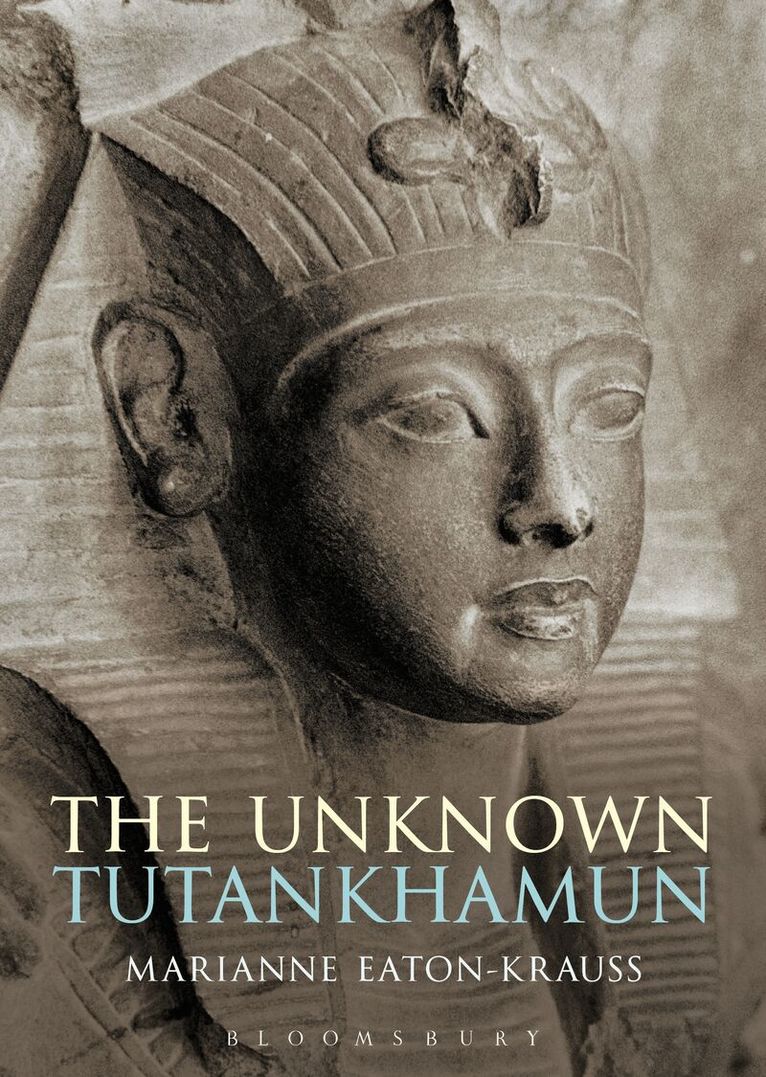
Unknown Tutankhamun
Häftad, 2015
414 kr
Lägg i varukorg
The reign of Tutankhamun was of major significance in the history of ancient Egypt. Following Howard Carter’s discovery of the king’s tomb in 1922, the story of the boy who became Pharaoh, died young and was buried in splendor at the height of Egyptian civilization captivated generations. But there …
Unknown Tutankhamun
E-bok, 2015
450 kr
Lägg i varukorg
The reign of Tutankhamun was of major significance in the history of ancient Egypt. Following Howard Carter''s discovery of the king''s tomb in 1922, the story of the boy who became Pharaoh, died young and was buried in splendor at the height of Egyptian civilization captivated generations. But …
Unknown Tutankhamun
E-bok, 2015
450 kr
Lägg i varukorg
Following the discovery of Tutankhamun''s tomb in 1922, the story of the boy who became Pharaoh, died young, and was buried in splendor at the height of Egyptian civilization captivated generations. But there exists a wide discrepancy between that saga and what scholars have learned in the past few …
Post-Amarna Period Statues of Amun and His Consorts Mut and Amunet
Inbunden, 2020
1996 kr
Lägg i varukorg
The reign of the “heretic pharaoh” Akhenaten—the so-called Amarna Period—witnessed an unprecedented attack on the cult of Amun, King of the Gods, with his cult center at ancient Thebes (modern Luxor). A program to reinstate Amun to pre-eminence in the traditional pantheon was instituted by …
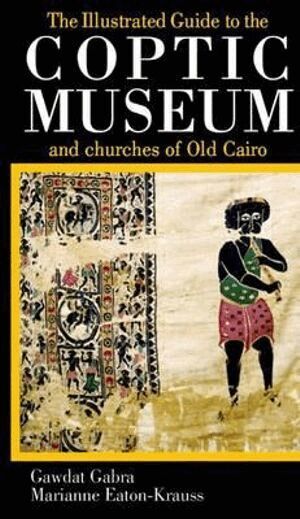
Illustrated Guide to the Coptic Museum and Churches of Old Cairo
Av Gawdat Gabra, Marianne Eaton-Krauss
Häftad, 2007
377 kr
Tillfälligt slut
Egypt’s Coptic Church is one of the oldest in the world, encompassing two millennia of history, tradition, and culture. The Coptic Museum, founded in Old Cairo in 1908, houses the world’s largest and most exquisite collection of Coptic artifacts, representing every historical era, from the earliest …