This book examines the effects of a study abroad experience on students’ culture and identity and the impact of these effects on their readjustment to their home culture. It explores issues of culture and identity from the perspective of French students studying in Australia. Issues of perceived cultural proximity between France and Australia, a relative lack of prior knowledge of the host country before the period of study and the impact of distance all influence aspects of these students’ experiences. Employing long-term and cross-sectional studies focusing on culture shock, reverse culture shock and cultural identity issues, the author investigates the cyclical journey of French academic sojourners and examines the impact of the acculturation and repatriation processes and the language experiences on their perceptions of cultural identity. Once the students had traversed the difficult stages of culture shock and reached the stage of full recovery (adjustment), they no longer wished to go home. What impact has this process had on the returnees who faced the insularity of their home society once they returned home? Is the French community beginning to acknowledge the start of a brain-drain of the educated French overseas? What are the implications for borderless higher education? What value should be placed on pre-departure preparation from participating institutions and the individuals themselves, both on a linguistic and a psychological level? This book poses questions relating to these issues.
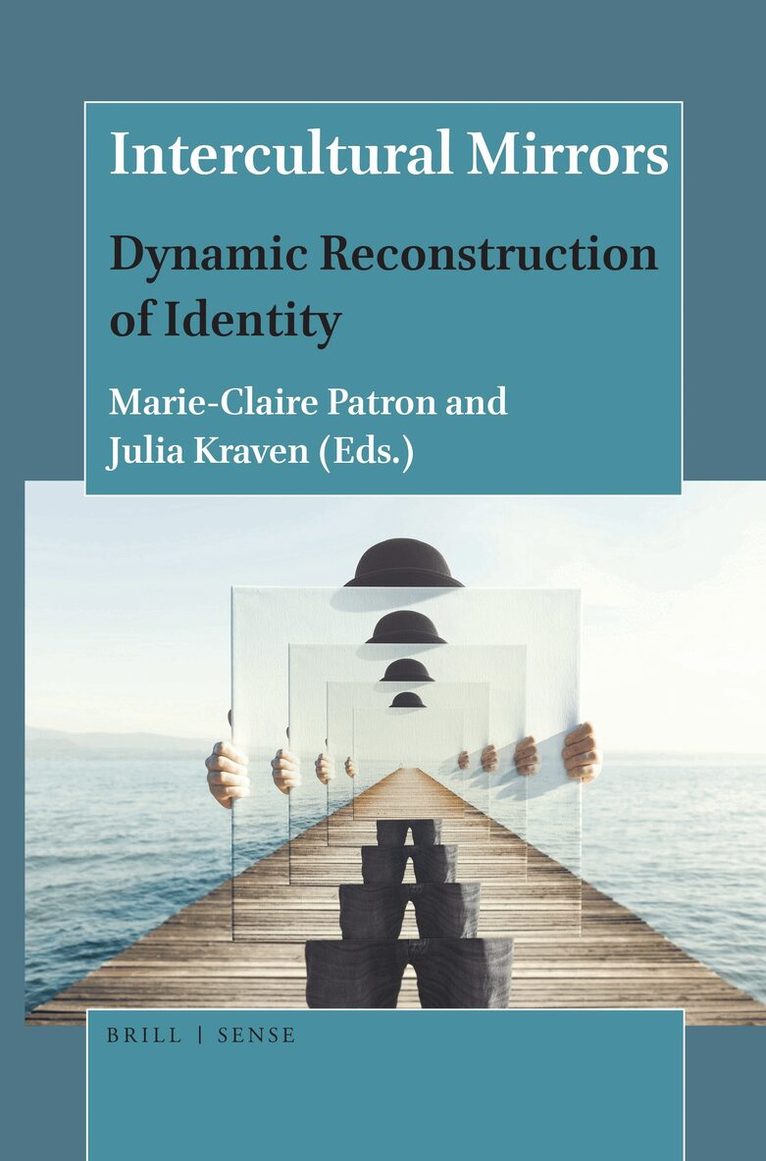
Intercultural Mirrors: Dynamic Reconstruction of Identity contains (auto)ethnographic chapters and research-based explorations that uncover the ways our intercultural experiences influence our process of self-discovery and self-construction. The idea of intercultural mirrors is applied throughout all chapters as an instrument of analysis, an heuristic tool, drawn from philosophy, to provide a focus for the analysis of real life experiences. Plato noted that one could see one’s own reflection in the pupil of another’s eye, and suggested that the mirror image provided in the eye of the other person was an essential contributor to self-knowledge. Taking this as a cue, the contributors of this book have structured their writings around the idea that the view of us held by other people provides an essential key to one’s own self-understanding.Contributors are: James Arvanitakis, Damian Cox, Mark Dinnen, James Ferguson, Tom Frengos, Dennis Harmon, Donna Henson, Alexandra Hoyt, William Kelly, Lucyann Kerry, Julia Kraven, Taryn Mathis, Tony McHugh, Raoul Mortley, Kristin Newton, Marie-Claire Patron, Darren Swanson, and Peter Mbago Wakholi.