Marie Lecomte-Tilouine – författare
Visar alla böcker från författaren Marie Lecomte-Tilouine. Handla med fri frakt och snabb leverans.
10 produkter
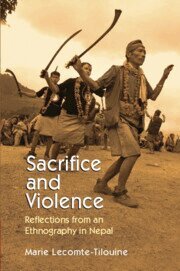
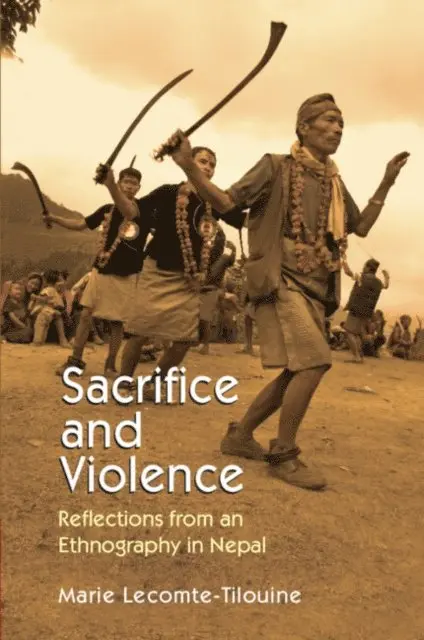
Sacrifice and Violence
Reflections from an Ethnography in Nepal
Inbunden, 2025
1481 kr
Lägg i varukorg
Violence is at the heart of the sacrifice, despite its denial in the texts. For the participants and observers, it materialises in the exposure of everyone and everything to the 'fountains of blood'. The specificity of this public and holistic violence, orchestrated in Nepal by the highest …
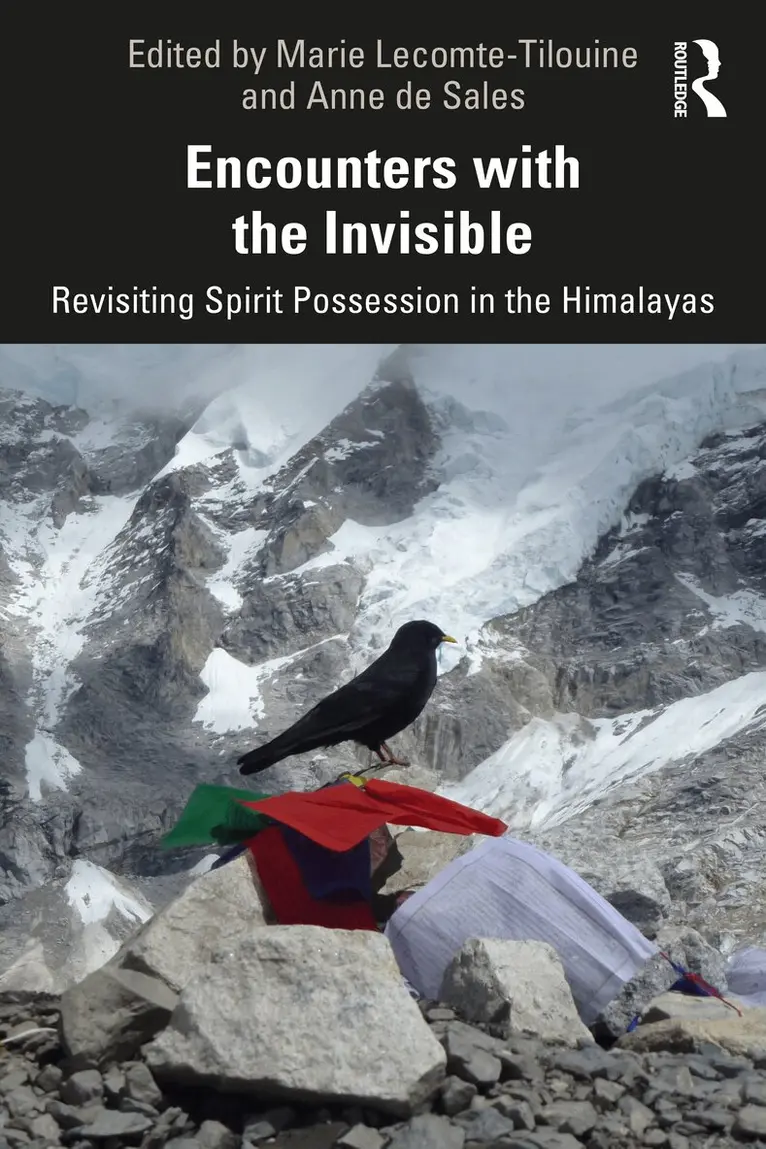
Encounters with the Invisible
Revisiting Spirit Possession in the Himalayas
Av Marie Lecomte-Tilouine, Anne de Sales
Inbunden, 2024
2515 kr
Lägg i varukorg
This volume considers spirit possession in the Himalayas and the various ways in which invisible powers are made present. It does so by examining material representations of these powers through artefacts, animals, plants and natural substances, while also focusing on narratives of people’s …
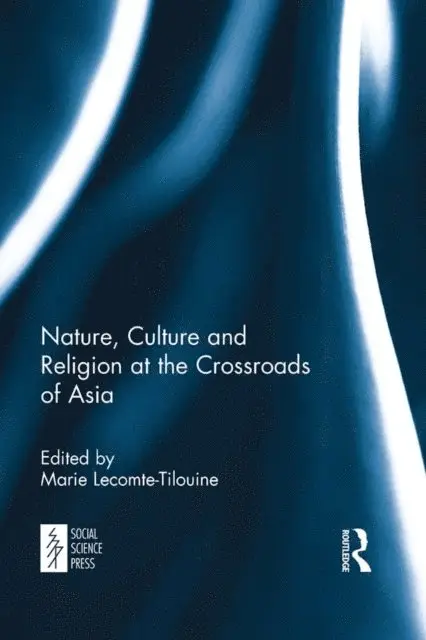
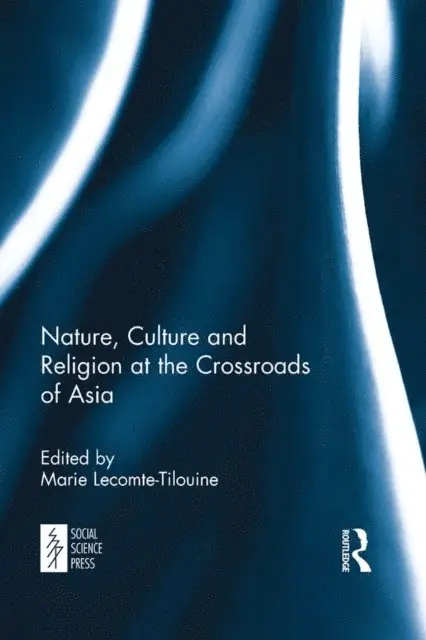
Nature, Culture and Religion at the Crossroads of Asia
Häftad, 2023
692 kr
Lägg i varukorg
This book explores how ethnic groups living in the Himalayan regions understand nature and culture. The first part addresses the opposition between nature and culture in Asia’s major religious traditions such as Hinduism, Buddhism, Islam and Shamanism. The second part brings together specialists of …
Encounters with the Invisible
Revisiting Spirit Possession in the Himalayas
Av Marie Lecomte-Tilouine, Anne de Sales
Häftad, 2024
634 kr
Lägg i varukorg
This volume considers spirit possession in the Himalayas and the various ways in which invisible powers are made present. It does so by examining material representations of these powers through artefacts, animals, plants and natural substances, while also focusing on narratives of people’s …
Encounters with the Invisible
Revisiting Spirit Possession in the Himalayas
Av Anne de Sales, Marie Lecomte-Tilouine
E-bok, 2024
729 kr
Lägg i varukorg
This volume considers spirit possession in the Himalayas and the various ways in which invisible powers are made present. It does so by examining material representations of these powers through artefacts, animals, plants and natural substances, while also focusing on narratives of people’s …
Encounters with the Invisible
Revisiting Spirit Possession in the Himalayas
Av Anne de Sales, Marie Lecomte-Tilouine
E-bok, 2024
745 kr
Lägg i varukorg
This volume considers spirit possession in the Himalayas and the various ways in which invisible powers are made present. It does so by examining material representations of these powers through artefacts, animals, plants and natural substances, while also focusing on narratives of people’s …
Nature, Culture and Religion at the Crossroads of Asia
Inbunden, 2017
2515 kr
Lägg i varukorg
This book explores how ethnic groups living in the Himalayan regions understand nature and culture. The first part addresses the opposition between nature and culture in Asia’s major religious traditions such as Hinduism, Buddhism, Islam and Shamanism. The second part brings together specialists of …
Nature, Culture and Religion at the Crossroads of Asia
E-bok, 2017
790 kr
Lägg i varukorg
This book explores how ethnic groups living in the Himalayan regions understand nature and culture. The first part addresses the opposition between nature and culture in Asia’s major religious traditions such as Hinduism, Buddhism, Islam and Shamanism. The second part brings together specialists …
Nature, Culture and Religion at the Crossroads of Asia
E-bok, 2017
796 kr
Lägg i varukorg
This book explores how ethnic groups living in the Himalayan regions understand nature and culture. The first part addresses the opposition between nature and culture in Asia’s major religious traditions such as Hinduism, Buddhism, Islam and Shamanism. The second part brings together specialists …