Marifeli Perez-Stable – författare
Visar alla böcker från författaren Marifeli Perez-Stable. Handla med fri frakt och snabb leverans.
7 produkter
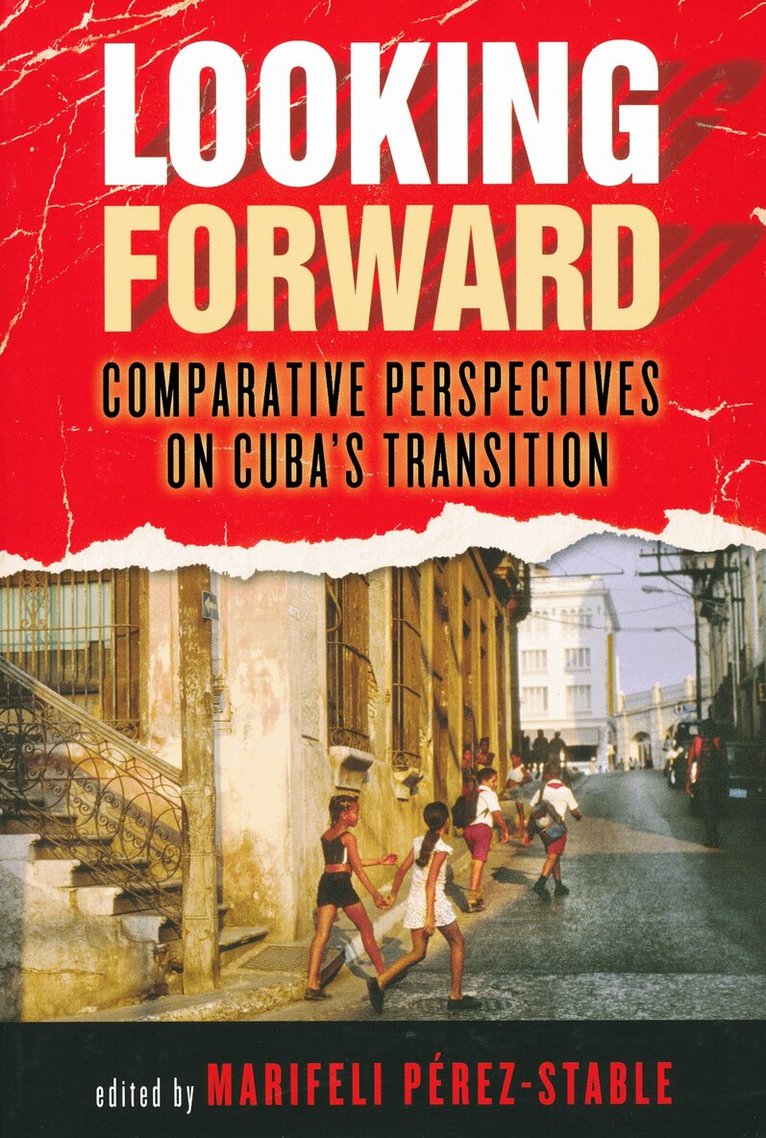
Looking Forward
Comparative Perspectives on Cuba's Transition
Häftad, 2007
537 kr
Lägg i varukorg
Imagines Cuba's future after the ""poof moment"" - when the current regime will no longer exist. This volume does not try to predict how and when the Castro regime will end, but instead considers the possible consequences of change. Each chapter takes up a basic issue: politics, the military, the …
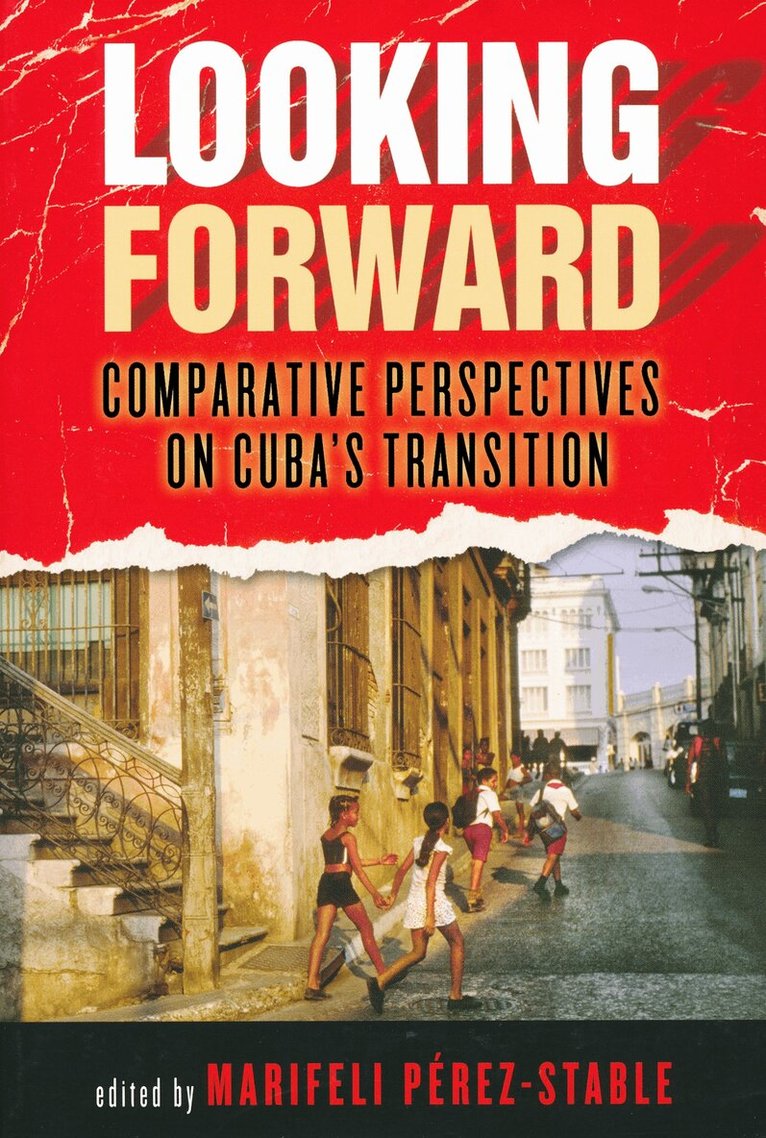
Looking Forward
Comparative Perspectives on Cuba's Transition
Inbunden, 2022
1883 kr
Lägg i varukorg
In Looking Forward, Marifeli Perez-Stable and her colleagues imagine Cuba's future after the "poof moment"—Jorge I. Domínguez's vivid phrase—when the current regime will no longer exist. Written in an accessible style that will appeal to all interested readers, this volume does not try to predict …
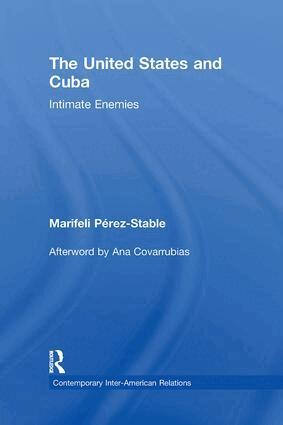
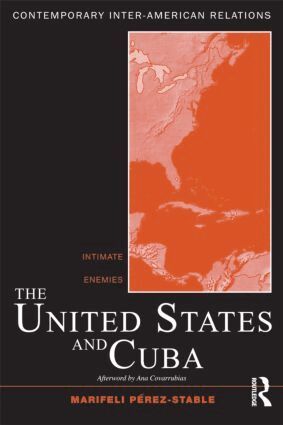
United States and Cuba
Intimate Enemies
Inbunden, 2010
1821 kr
Lägg i varukorg
A great power and a weaker, rival neighbor can eventually have normal relations. Prior to 1959, Cuba and the United States didn’t have a mutually beneficial and respectful relationship, and amid the Cold War, Cuba’s alliance with the Soviet Union made U.S.-Cuba normality even more elusive. What the …
United States and Cuba
Intimate Enemies
Häftad, 2010
544 kr
Lägg i varukorg
A great power and a weaker, rival neighbor can eventually have normal relations. Prior to 1959, Cuba and the United States didn’t have a mutually beneficial and respectful relationship, and amid the Cold War, Cuba’s alliance with the Soviet Union made U.S.-Cuba normality even more elusive. What the …
United States and Cuba
Intimate Enemies
E-bok, 2011
646 kr
Lägg i varukorg
A great power and a weaker, rival neighbor can eventually have normal relations. Prior to 1959, Cuba and the United States didn’t have a mutually beneficial and respectful relationship, and amid the Cold War, Cuba’s alliance with the Soviet Union made U.S.-Cuba normality even more elusive. What …
United States and Cuba
Intimate Enemies
E-bok, 2011
646 kr
Lägg i varukorg
A great power and a weaker, rival neighbor can eventually have normal relations. Prior to 1959, Cuba and the United States didn’t have a mutually beneficial and respectful relationship, and amid the Cold War, Cuba’s alliance with the Soviet Union made U.S.-Cuba normality even more elusive. What …