Marijke Gijswijt-Hofstra – författare
Visar alla böcker från författaren Marijke Gijswijt-Hofstra. Handla med fri frakt och snabb leverans.
6 produkter
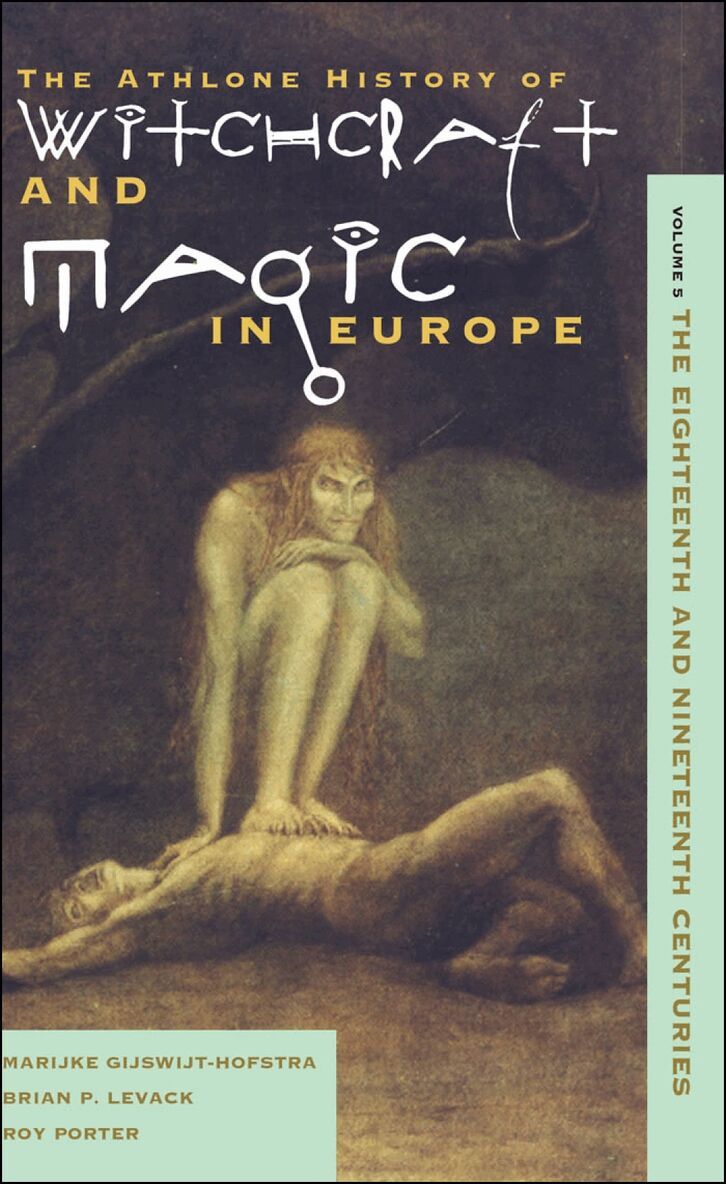
Witchcraft and Magic in Europe, Volume 5
The Eighteenth and Nineteenth Centuries
Av Marijke Gijswijt-Hofstra, Brian Levack m. fl.
Inbunden, 1998
2691 kr
Lägg i varukorg
The end of the eighteenth century saw the end of the witch trials everywhere. This volume charts the processes and reasons for the decriminalisation of witchcraft but also challenges the widespread assumption that Europe has been 'disenchanted'. For the first time surveys are given of the social …
Eighteenth and Nineteenth Centuries
Av Marijke Gijswijt-Hofstra, Brian Levack m. fl.
Häftad, 1998
1066 kr
Lägg i varukorg
The end of the 18th century saw the end of witch trials. This volume charts the processes and reasons for decriminalizing witchcraft. It also surveys the social role of witchcraft in European communities to the end of the 19th century.
Witchcraft and Magic in Europe, Volume 5
The Eighteenth and Nineteenth Centuries
Av Marijke Gijswijt-Hofstra, Brian Levack m. fl.
Häftad, 1998
1420 kr
Lägg i varukorg
The end of the eighteenth century saw the end of the witch trials everywhere. This volume charts the processes and reasons for the decriminalisation of witchcraft but also challenges the widespread assumption that Europe has been 'disenchanted'. For the first time surveys are given of the social …
Witchcraft and Magic in Europe, Volume 5
The Eighteenth and Nineteenth Centuries
Av Marijke Gijswijt-Hofstra, Brian Levack m. fl.
E-bok, 1998
1554 kr
Lägg i varukorg
The end of the eighteenth century saw the end of the witch trials everywhere. This volume charts the processes and reasons for the decriminalisation of witchcraft but also challenges the widespread assumption that Europe has been ''disenchanted''. For the first time surveys are given of the social …
Cultures of Neurasthenia
From Beard to the First World War
Häftad, 2001
901 kr
Lägg i varukorg
Neurasthenia, meaning nerve weakness, was ‘invented’ in the United States as a disorder of modernity, caused by the fast pace of urban life. Soon after, from the early 1880s onwards, this modern disease crossed the Atlantic. Neurasthenia became much less ‘popular’ in Britain or the Netherlands than …
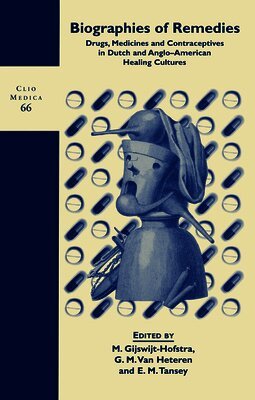
Biographies of Remedies
Drugs, Medicines and Contraceptives in Dutch and Anglo-American Healing Cultures
Inbunden, 2002
1644 kr
Lägg i varukorg
At a time when genetics and informatics are seen to transform therapeutic thinking once again, it is pertinent to look back to earlier therapeutic regimes. The long twentieth century has witnessed a tremendous upsurge in new drugs, remedies and therapeutic strategies. The cultural environments in …