1 694 kr
Skickas
1 694 kr
Skickas
1 273 kr
Skickas inom 3-6 vardagar
736 kr
Läs direkt efter köp
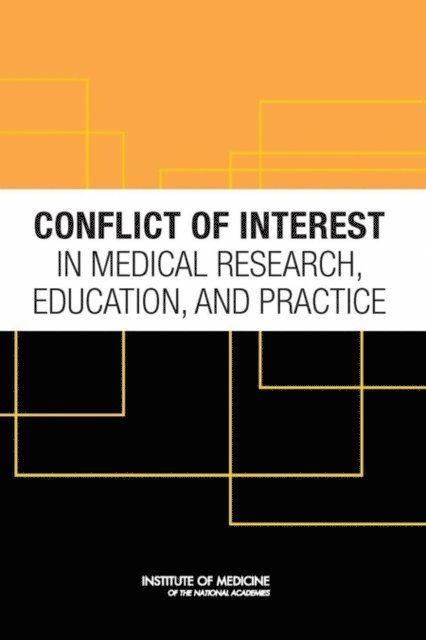
Collaborations of physicians and researchers with industry can provide valuable benefits to society, particularly in the translation of basic scientific discoveries to new therapies and products. Recent reports and news stories have, however, documented disturbing examples of relationships and practices that put at risk the integrity of medical research, the objectivity of professional education, the quality of patient care, the soundness of clinical practice guidelines, and the public''s trust in medicine.
Conflict of Interest in Medical Research, Education, and Practice provides a comprehensive look at conflict of interest in medicine. It offers principles to inform the design of policies to identify, limit, and manage conflicts of interest without damaging constructive collaboration with industry. It calls for both short-term actions and long-term commitments by institutions and individuals, including leaders of academic medical centers, professional societies, patient advocacy groups, government agencies, and drug, device, and pharmaceutical companies. Failure of the medical community to take convincing action on conflicts of interest invites additional legislative or regulatory measures that may be overly broad or unduly burdensome.
Conflict of Interest in Medical Research, Education, and Practice makes several recommendations for strengthening conflict of interest policies and curbing relationships that create risks with little benefit. The book will serve as an invaluable resource for individuals and organizations committed to high ethical standards in all realms of medicine.
932 kr
Läs direkt efter köp
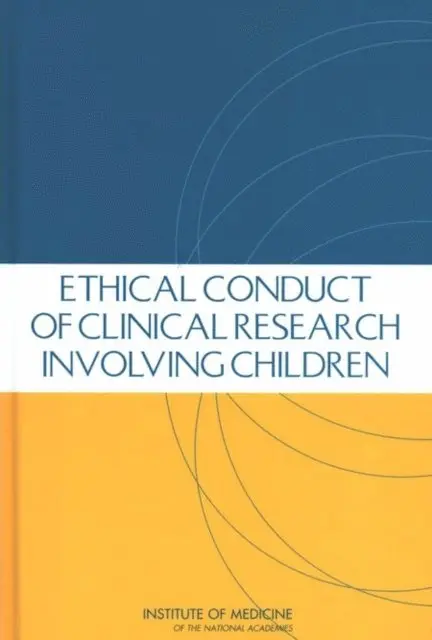
In recent decades, advances in biomedical research have helped save orlengthen the lives of children around the world. With improved therapies,child and adolescent mortality rates have decreased significantly in the lasthalf century. Despite these advances, pediatricians and others argue thatchildren have not shared equally with adults in biomedical advances. Eventhough we want children to benefit from the dramatic and acceleratingrate of progress in medical care that has been fueled by scientific research,we do not want to place children at risk of being harmed by participatingin clinical studies.
Ethical Conduct of Clinical Research Involving Children considers the necessitiesand challenges of this type of research and reviews the ethical andlegal standards for conducting it. It also considers problems with the interpretationand application of these standards and conduct, concluding thatwhile children should not be excluded from potentially beneficial clinicalstudies, some research that is ethically permissible for adults is not acceptablefor children, who usually do not have the legal capacity or maturity tomake informed decisions about research participation. The book looks atthe need for appropriate pediatric expertise at all stages of the design,review, and conduct of a research project to effectively implement policiesto protect children. It argues persuasively that a robust system for protectinghuman research participants in general is a necessary foundation forprotecting child research participants in particular.960 kr
Läs direkt efter köp
Building upon two prior studies from the Institute of Medicine (the 1991 Institute of Medicine''s report Disability in America and the 1997 report Enabling America), The Future of Disability in America examines both progress and concerns about continuing barriers that limit the independence, productivity, and participation in community life of people with disabilities. This book offers a comprehensive look at a wide range of issues, including the prevalence of disability across the lifespan; disability trends the role of assistive technology; barriers posed by health care and other facilities with inaccessible buildings, equipment, and information formats; the needs of young people moving from pediatric to adult health care and of adults experiencing premature aging and secondary health problems; selected issues in health care financing (e.g., risk adjusting payments to health plans, coverage of assistive technology); and the organizing and financing of disability-related research.
The Future of Disability in America is an assessment of both principles and scientific evidence for disability policies and services. This book''s recommendations propose steps to eliminate barriers and strengthen the evidence base for future public and private actions to reduce the impact of disability on individuals, families, and society.
768 kr
Läs direkt efter köp
Collaborations of physicians and researchers with industry can provide valuable benefits to society, particularly in the translation of basic scientific discoveries to new therapies and products. Recent reports and news stories have, however, documented disturbing examples of relationships and practices that put at risk the integrity of medical research, the objectivity of professional education, the quality of patient care, the soundness of clinical practice guidelines, and the public''s trust in medicine.
Conflict of Interest in Medical Research, Education, and Practice provides a comprehensive look at conflict of interest in medicine. It offers principles to inform the design of policies to identify, limit, and manage conflicts of interest without damaging constructive collaboration with industry. It calls for both short-term actions and long-term commitments by institutions and individuals, including leaders of academic medical centers, professional societies, patient advocacy groups, government agencies, and drug, device, and pharmaceutical companies. Failure of the medical community to take convincing action on conflicts of interest invites additional legislative or regulatory measures that may be overly broad or unduly burdensome.
Conflict of Interest in Medical Research, Education, and Practice makes several recommendations for strengthening conflict of interest policies and curbing relationships that create risks with little benefit. The book will serve as an invaluable resource for individuals and organizations committed to high ethical standards in all realms of medicine.
594 kr
Läs direkt efter köp
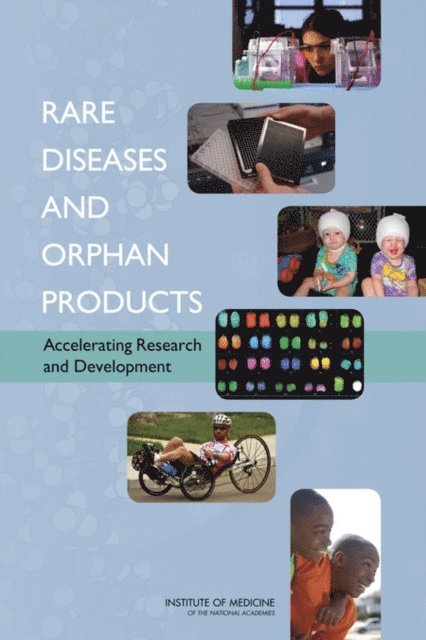
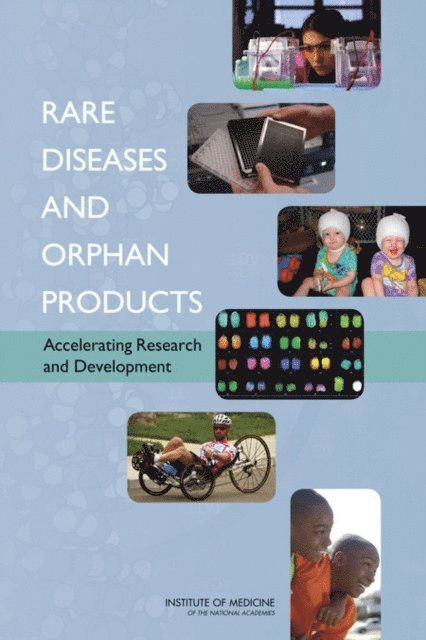
Rare diseases collectively affect millions of Americans of all ages, but developing drugs and medical devices to prevent, diagnose, and treat these conditions is challenging. The Institute of Medicine (IOM) recommends implementing an integrated national strategy to promote rare diseases research and product development.
960 kr
Läs direkt efter köp
Beginning in late 2004, the IOM began a project to take a new look at disability in America. It will review developments and progress since the publication of the 1991 and 1997 Institute reports. For technical contracting reasons, the new project was split into two phases. During the limited first phase, a committee appointed by IOM planned and convened a 1-day workshop to examine a subset of topics as background for the second phase of project. As was agreed upon with the sponsor of the workshop, the Centers for Disease Control and Prevention (CDC), the topics were:
methodological and policy issues related to the conceptualization, definition, measurement, and monitoring of disability and health over time; trends in the amount, types, and causes of disability; disability across the age spectrum and in the context of normal aging; and secondary health conditions.The phase-one workshop was held in Washington, D.C. on August 1, 2005. Its participants included researchers, clinicians, social service professionals, policy experts, and consumer representatives and advocates. The meeting agenda and list of participants are included in Appendix A. Workshop on Disability in America: A New Look- Summary and Background Papers summarizes the workshop presentations and discussions. The background papers prepared for the workshop are included in Appendixes B through O. Some papers were submitted and circulated in advance of the meeting, whereas others were first presented at the meeting. The analyses, definitions, and views presented in the papers are those of the paper authors and are not necessarily those of the IOM committee. Likewise, the discussion summary is limited to the views of the workshop participants.
1 221 kr
Läs direkt efter köp
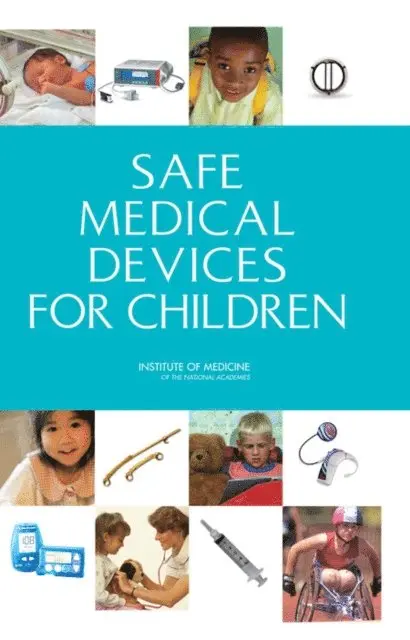
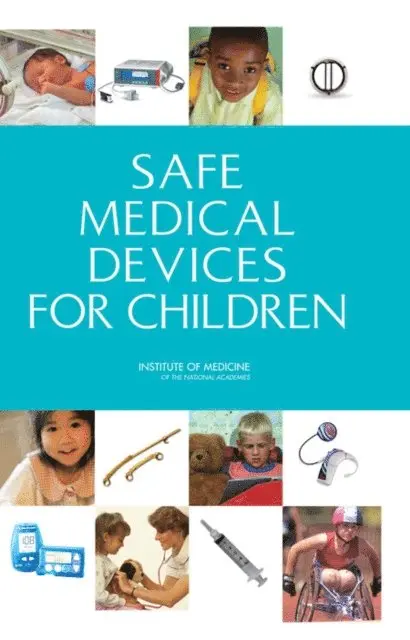
Innovative medical devices have helped reduce the burden of illness and injury and improve the quality of life for countless children. Mechanical ventilators and other respiratory support devices rescue thousands of fragile newborns every year. Children who once would have died of congenital heart conditions survive with the aid of implanted pacemakers, mechanical heart valves, and devices that close holes in the heart. Responding to a Congressional request, the Institute of Medicine assesses the system for postmarket surveillance of medical devices used with children. The book specifically examines:
The Food and Drug Administration''s monitoring and use of adverse event reports The agency''s monitoring of manufacturers'' fulfillment of commitments for postmarket studies ordered at the time of a device''s approval for marketing The adequacy of postmarket studies of implanted devices to evaluate the effects of children''s active lifestyles and their growth and development on device performancePostmarket surveillance of medical devices used with children is a little investigated topic, in part because the market for most medical products is concentrated among older adults. Yet children differ from adults, and their special characteristics have implications for evaluation and monitoring of the short- and long-term safety and effectiveness of medical devices used with young patients.
785 kr
Läs direkt efter köp
960 kr
Läs direkt efter köp
1 658 kr
Läs direkt efter köp
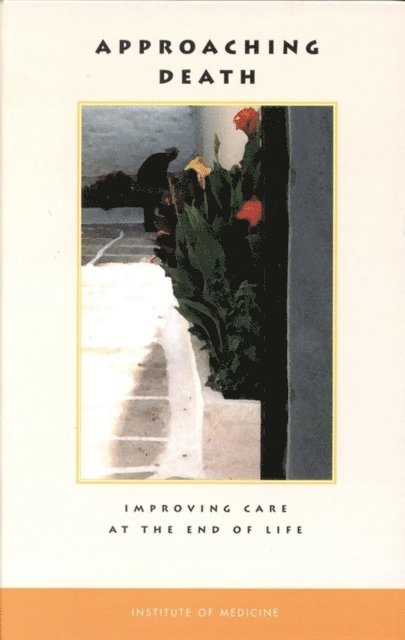
When the end of life makes its inevitable appearance, people should be able to expect reliable, humane, and effective caregiving. Yet too many dying people suffer unnecessarily. While an "overtreated" dying is feared, untreated pain or emotional abandonment are equally frightening.
Approaching Death reflects a wide-ranging effort to understand what we know about care at the end of life, what we have yet to learn, and what we know but do not adequately apply. It seeks to build understanding of what constitutes good care for the dying and offers recommendations to decisionmakers that address specific barriers to achieving good care.
This volume offers a profile of when, where, and how Americans die. It examines the dimensions of caring at the end of life:
Determining diagnosis and prognosis and communicating these to patient and family. Establishing clinical and personal goals. Matching physical, psychological, spiritual, and practical care strategies to the patient''s values and circumstances.Approaching Death considers the dying experience in hospitals, nursing homes, and other settings and the role of interdisciplinary teams and managed care. It offers perspectives on quality measurement and improvement, the role of practice guidelines, cost concerns, and legal issues such as assisted suicide. The book proposes how health professionals can become better prepared to care well for those who are dying and to understand that these are not patients for whom "nothing can be done."
698 kr
Läs direkt efter köp
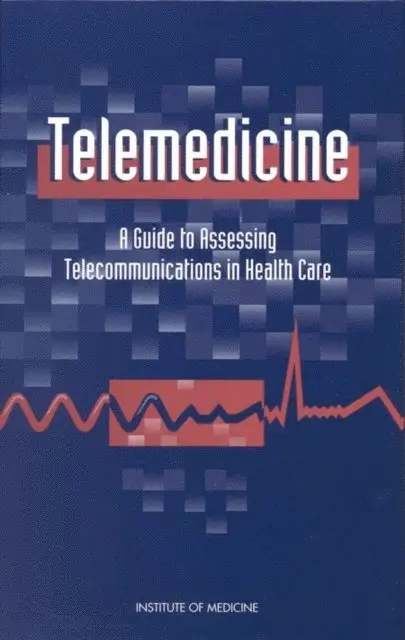
Telemedicine—the use of information and telecommunications technologies to provide and support health care when distance separates the participants—is receiving increasing attention not only in remote areas where health care access is troublesome but also in urban and suburban locations.
Yet the benefits and costs of this blend of medicine and digital technologies must be better demonstrated before today''s cautious decision-makers invest significant funds in its development.
Telemedicine presents a framework for evaluating patient care applications of telemedicine. The book identifies managerial, technical, policy, legal, and human factors that must be taken into account in evaluating a telemedicine program. The committee reviews previous efforts to establish evaluation frameworks and reports on results from several completed studies of image transmission, consulting from remote locations, and other telemedicine programs.
The committee also examines basic elements of an evaluation and considers relevant issues of quality, accessibility, and cost of health care.
Telemedicine will be of immediate interest to anyone with interest in the clinical application of telemedicine.
501 kr
Läs direkt efter köp
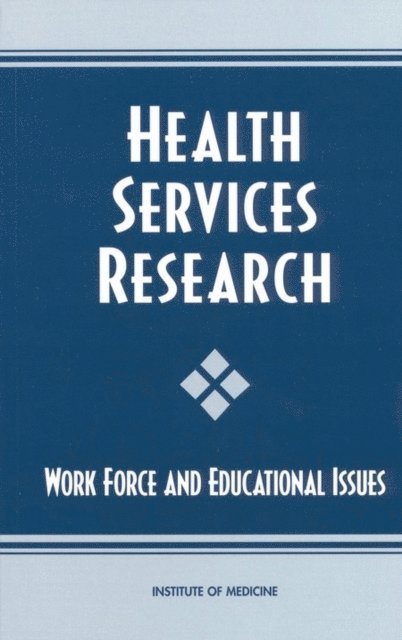
In a health care environment undergoing major restructuring, health services researchers have an important contribution to make in evaluating the impact of change and in guiding policymakers, clinicians, corporate purchasers, and patients. This book examines the health services research work force and its education. Conclusions focus on the quantity and quality of the work force, prospects for the future, and directions for government policy.
681 kr
Läs direkt efter köp
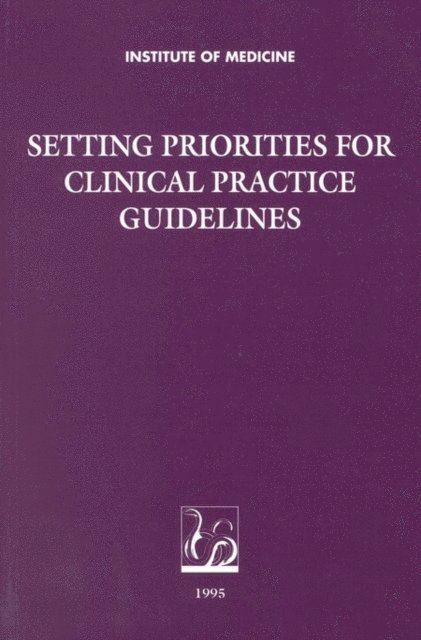
This book examines methods for selecting topics and setting priorities for clinical practice guideline development and implementation. Clinical practice guidelines are "systematically defined statements to assist practitioner and patient decisions about appropriate health care for specific clinical circumstances." In its assessment of processes for setting priorities, the committee considers the principles of consistency with the organization''s mission, implementation feasibility, efficiency, utility of the results to the organization, and openness and defensibility—a principle that is especially important to public agencies. The volume also examines the implications of health care restructuring for priority setting and topic selection, including the link between national and local approaches to guidelines development.
768 kr
Läs direkt efter köp
Six dental schools have closed in the last decade and others are in jeopardy. Facing this uncertainty about the status of dental education and the continued tension between educators and practitioners, leaders in the profession have recognized the need for purpose and direction.
This comprehensive volume—the first to cover the education, research, and patient care missions of dental schools—offers specific recommendations on oral health assessment, access to dental care, dental school curricula, financing for education, research priorities, examinations and licensing, workforce planning, and other key areas.
Well organized and accessible, the book:
Recaps the evolution of dental practice and education. Reviews key indicators of oral health status, outlines oral health goals, and discusses implications for education. Addresses major curriculum concerns. Examines health services that dental schools provide to patients and communities. Looks at faculty and student involvement in research. Explores the relationship of dental education to the university, the dental profession, and society at large.Accreditation, the dental workforce, and other critical policy issues are highlighted as well.
Of greatest interest to deans, faculty, administrators, and students at dental schools, as well as to academic health centers and universities, this book also will be informative for health policymakers, dental professionals, and dental researchers.
1 134 kr
Läs direkt efter köp
This report, which was developed by an expert committee of the Institute of Medicine, reviews the first three services listed above. It is intended to assist policymakers by providing syntheses of the best evidence available about the effectiveness of these services and by estimating the cost to Medicare of covering them. For each service or condition examined, the committee commissioned a review of the scientific literature that was presented and discussed at a public workshop.
As requested by Congress, this report includes explicit estimates only of costs to Medicare, not costs to beneficiaries, their families, or others. It also does not include cost-effectiveness analyses. That is, the extent of the benefits relative to the costs to Medicare—or to society generally—is not evaluated for the services examined.
The method for estimating Medicare costs follows the generic estimation practices of the Congressional Budget Office (CBO). The objective was to provide Congress with estimates that were based on familiar procedures and could be compared readily with earlier and later CBO estimates. For each condition or service, the estimates are intended to suggest the order of magnitude of the costs to Medicare of extending coverage, but the estimates could be considerably higher or lower than what Medicare might actually spend were coverage policies changed. The estimates cover the five-year period 2000-2004.
In addition to the conclusions about specific coverage issues, the report examines some broader concerns about the processes for making coverage decisions and about the research and organizational infrastructure for these decisions. It also briefly examines the limits of coverage as a means of improving health services and outcomes and the limits of evidence as a means of resolving policy and ethical questions.
628 kr
Läs direkt efter köp
Rare diseases collectively affect millions of Americans of all ages, but developing drugs and medical devices to prevent, diagnose, and treat these conditions is challenging. The Institute of Medicine (IOM) recommends implementing an integrated national strategy to promote rare diseases research and product development.
602 kr
Läs direkt efter köp
655 kr
Läs direkt efter köp
1 527 kr
Läs direkt efter köp
When the end of life makes its inevitable appearance, people should be able to expect reliable, humane, and effective caregiving. Yet too many dying people suffer unnecessarily. While an "overtreated" dying is feared, untreated pain or emotional abandonment are equally frightening.
Approaching Death reflects a wide-ranging effort to understand what we know about care at the end of life, what we have yet to learn, and what we know but do not adequately apply. It seeks to build understanding of what constitutes good care for the dying and offers recommendations to decisionmakers that address specific barriers to achieving good care.
This volume offers a profile of when, where, and how Americans die. It examines the dimensions of caring at the end of life:
Determining diagnosis and prognosis and communicating these to patient and family. Establishing clinical and personal goals. Matching physical, psychological, spiritual, and practical care strategies to the patient''s values and circumstances.Approaching Death considers the dying experience in hospitals, nursing homes, and other settings and the role of interdisciplinary teams and managed care. It offers perspectives on quality measurement and improvement, the role of practice guidelines, cost concerns, and legal issues such as assisted suicide. The book proposes how health professionals can become better prepared to care well for those who are dying and to understand that these are not patients for whom "nothing can be done."
166 kr
Läs direkt efter köp
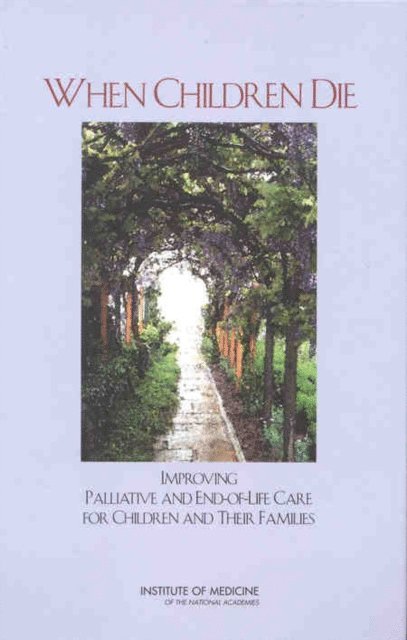
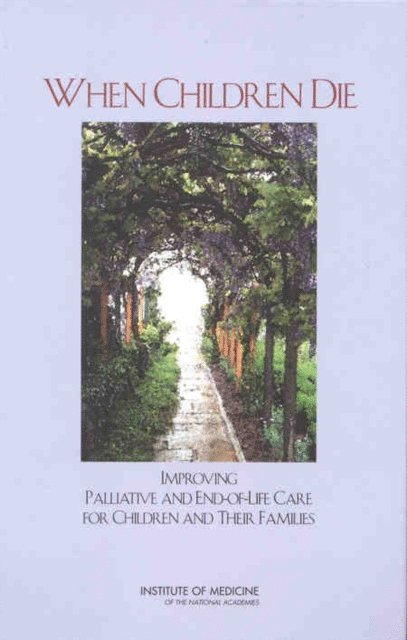
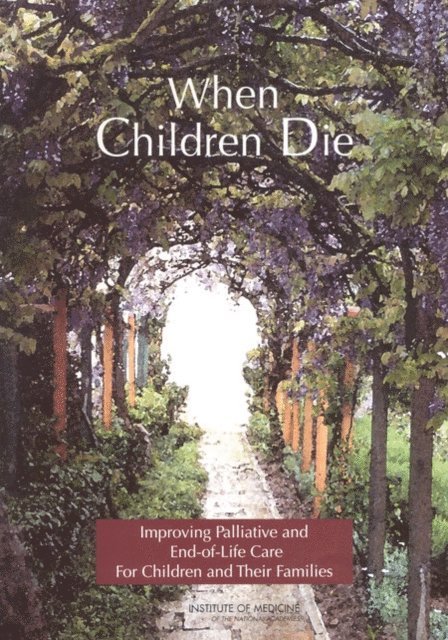
This document is a brief summary of the Institute of Medicine report entitled When Children Die: Improving Palliative and End-of-Life Care for Children. Better care is possible now, but current methods of organizing and financing palliative, end-of-life, and bereavement care complicate the provision and coordination of services to help children and families and sometimes require families to choose between curative or life-prolonging care and palliative services, in particular, hospice care. Inadequate data and scientific knowledge impede efforts to deliver effective care, educate professionals to provide such care, and design supportive public policies. Integrating effective palliative care from the time a child''s life-threatening medical problem is diagnosed will improve care for children who survive as well as children who die-and will help the families of all these children. The report recognizes that while much can be done now to support children and families, much more needs to be learned. The analysis and recommendations reflect current knowledge and judgments, but new research and insights will undoubtedly suggest modifications and shifts in emphasis in future years.
653 kr
Läs direkt efter köp
In recent decades, advances in biomedical research have helped save orlengthen the lives of children around the world. With improved therapies,child and adolescent mortality rates have decreased significantly in the lasthalf century. Despite these advances, pediatricians and others argue thatchildren have not shared equally with adults in biomedical advances. Eventhough we want children to benefit from the dramatic and acceleratingrate of progress in medical care that has been fueled by scientific research,we do not want to place children at risk of being harmed by participatingin clinical studies.
Ethical Conduct of Clinical Research Involving Children considers the necessitiesand challenges of this type of research and reviews the ethical andlegal standards for conducting it. It also considers problems with the interpretationand application of these standards and conduct, concluding thatwhile children should not be excluded from potentially beneficial clinicalstudies, some research that is ethically permissible for adults is not acceptablefor children, who usually do not have the legal capacity or maturity tomake informed decisions about research participation. The book looks atthe need for appropriate pediatric expertise at all stages of the design,review, and conduct of a research project to effectively implement policiesto protect children. It argues persuasively that a robust system for protectinghuman research participants in general is a necessary foundation forprotecting child research participants in particular.1 475 kr
Läs direkt efter köp
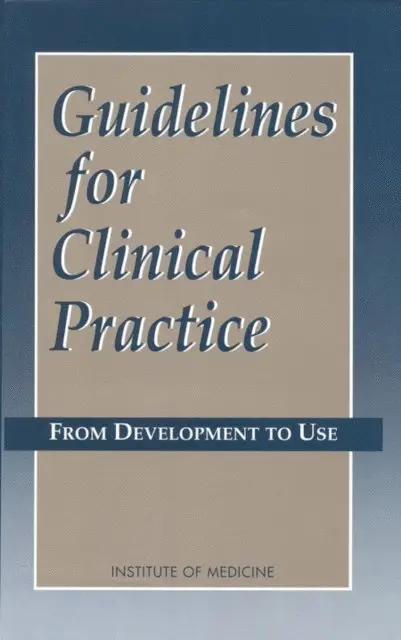
Guidelines for the clinical practice of medicine have been proposed as the solution to the whole range of current health care problems. This new book presents the first balanced and highly practical view of guidelines—their strengths, their limitations, and how they can be used most effectively to benefit health care.
The volume offers:
Recommendations and a proposed framework for strengthening development and use of guidelines. Numerous examples of guidelines. A ready-to-use instrument for assessing the soundness of guidelines. Six case studies exploring issues involved when practitioners use guidelines on a daily basis.With a real-world outlook, the volume reviews efforts by agencies and organizations to disseminate guidelines and examines how well guidelines are functioning—exploring issues such as patient information, liability, costs, computerization, and the adaptation of national guidelines to local needs.
873 kr
Läs direkt efter köp
Innovative medical devices have helped reduce the burden of illness and injury and improve the quality of life for countless children. Mechanical ventilators and other respiratory support devices rescue thousands of fragile newborns every year. Children who once would have died of congenital heart conditions survive with the aid of implanted pacemakers, mechanical heart valves, and devices that close holes in the heart. Responding to a Congressional request, the Institute of Medicine assesses the system for postmarket surveillance of medical devices used with children. The book specifically examines:
The Food and Drug Administration''s monitoring and use of adverse event reports The agency''s monitoring of manufacturers'' fulfillment of commitments for postmarket studies ordered at the time of a device''s approval for marketing The adequacy of postmarket studies of implanted devices to evaluate the effects of children''s active lifestyles and their growth and development on device performancePostmarket surveillance of medical devices used with children is a little investigated topic, in part because the market for most medical products is concentrated among older adults. Yet children differ from adults, and their special characteristics have implications for evaluation and monitoring of the short- and long-term safety and effectiveness of medical devices used with young patients.
672 kr
Läs direkt efter köp
Telemedicine—the use of information and telecommunications technologies to provide and support health care when distance separates the participants—is receiving increasing attention not only in remote areas where health care access is troublesome but also in urban and suburban locations.
Yet the benefits and costs of this blend of medicine and digital technologies must be better demonstrated before today''s cautious decision-makers invest significant funds in its development.
Telemedicine presents a framework for evaluating patient care applications of telemedicine. The book identifies managerial, technical, policy, legal, and human factors that must be taken into account in evaluating a telemedicine program. The committee reviews previous efforts to establish evaluation frameworks and reports on results from several completed studies of image transmission, consulting from remote locations, and other telemedicine programs.
The committee also examines basic elements of an evaluation and considers relevant issues of quality, accessibility, and cost of health care.
Telemedicine will be of immediate interest to anyone with interest in the clinical application of telemedicine.
471 kr
Läs direkt efter köp
641 kr
Läs direkt efter köp
402 kr
Läs direkt efter köp
The United States is unique among economically advanced nations in its reliance on employers to provide health benefits voluntarily for workers and their families. Although it is well known that this system fails to reach millions of these individuals as well as others who have no connection to the work place, the system has other weaknesses. It also has many advantages.
Because most proposals for health care reform assume some continued role for employers, this book makes an important contribution by describing the strength and limitations of the current system of employment-based health benefits. It provides the data and analysis needed to understand the historical, social, and economic dynamics that have shaped present-day arrangements and outlines what might be done to overcome some of the access, value, and equity problems associated with current employer, insurer, and government policies and practices.
Health insurance terminology is often perplexing, and this volume defines essential concepts clearly and carefully. Using an array of primary sources, it provides a store of information on who is covered for what services at what costs, on how programs vary by employer size and industry, and on what governments do—and do not do—to oversee employment-based health programs.
A case study adapted from real organizations'' experiences illustrates some of the practical challenges in designing, managing, and revising benefit programs. The sometimes unintended and unwanted consequences of employer practices for workers and health care providers are explored.
Understanding the concepts of risk, biased risk selection, and risk segmentation is fundamental to sound health care reform. This volume thoroughly examines these key concepts and how they complicate efforts to achieve efficiency and equity in health coverage and health care.
With health care reform at the forefront of public attention, this volume will be important to policymakers and regulators, employee benefit managers and other executives, trade associations, and decisionmakers in the health insurance industry, as well as analysts, researchers, and students of health policy.
742 kr
Läs direkt efter köp
Six dental schools have closed in the last decade and others are in jeopardy. Facing this uncertainty about the status of dental education and the continued tension between educators and practitioners, leaders in the profession have recognized the need for purpose and direction.
This comprehensive volume—the first to cover the education, research, and patient care missions of dental schools—offers specific recommendations on oral health assessment, access to dental care, dental school curricula, financing for education, research priorities, examinations and licensing, workforce planning, and other key areas.
Well organized and accessible, the book:
Recaps the evolution of dental practice and education. Reviews key indicators of oral health status, outlines oral health goals, and discusses implications for education. Addresses major curriculum concerns. Examines health services that dental schools provide to patients and communities. Looks at faculty and student involvement in research. Explores the relationship of dental education to the university, the dental profession, and society at large.Accreditation, the dental workforce, and other critical policy issues are highlighted as well.
Of greatest interest to deans, faculty, administrators, and students at dental schools, as well as to academic health centers and universities, this book also will be informative for health policymakers, dental professionals, and dental researchers.