Marina Foltea – författare
Visar alla böcker från författaren Marina Foltea. Handla med fri frakt och snabb leverans.
3 produkter
3 produkter
Inbunden, Engelska, 2012
823 kr
Skickas inom 7-10 vardagar
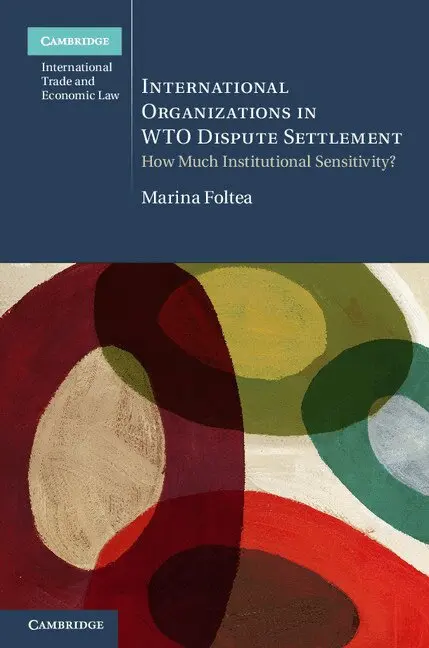
This book analyses the role of international organizations in WTO dispute settlement as arising from a number of WTO disputes. In particular, the roles of the IMF, WIPO, WCO and WHO are addressed. The use of the Vienna Convention rules of interpretation framework allows an evaluation of the weight attributed to this material by the WTO adjudicator. This allows specific conclusions to be drawn regarding the level of institutional sensitivity of the WTO adjudicator to each of the organizations. As well as being a valuable source of research, the analysis will appeal to international law scholars, civil servants and law practitioners interested in the WTO and dispute settlement.
Häftad, Engelska, 2014
502 kr
Skickas inom 7-10 vardagar
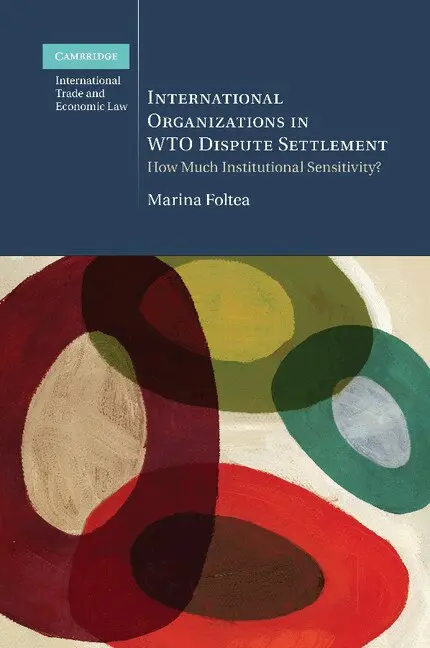
This book analyses the role of international organizations in WTO dispute settlement as arising from a number of WTO disputes. In particular, the roles of the IMF, WIPO, WCO and WHO are addressed. The use of the Vienna Convention rules of interpretation framework allows an evaluation of the weight attributed to this material by the WTO adjudicator. This allows specific conclusions to be drawn regarding the level of institutional sensitivity of the WTO adjudicator to each of the organizations. As well as being a valuable source of research, the analysis will appeal to international law scholars, civil servants and law practitioners interested in the WTO and dispute settlement.
Häftad, Engelska, 2020
304 kr
Skickas inom 10-15 vardagar
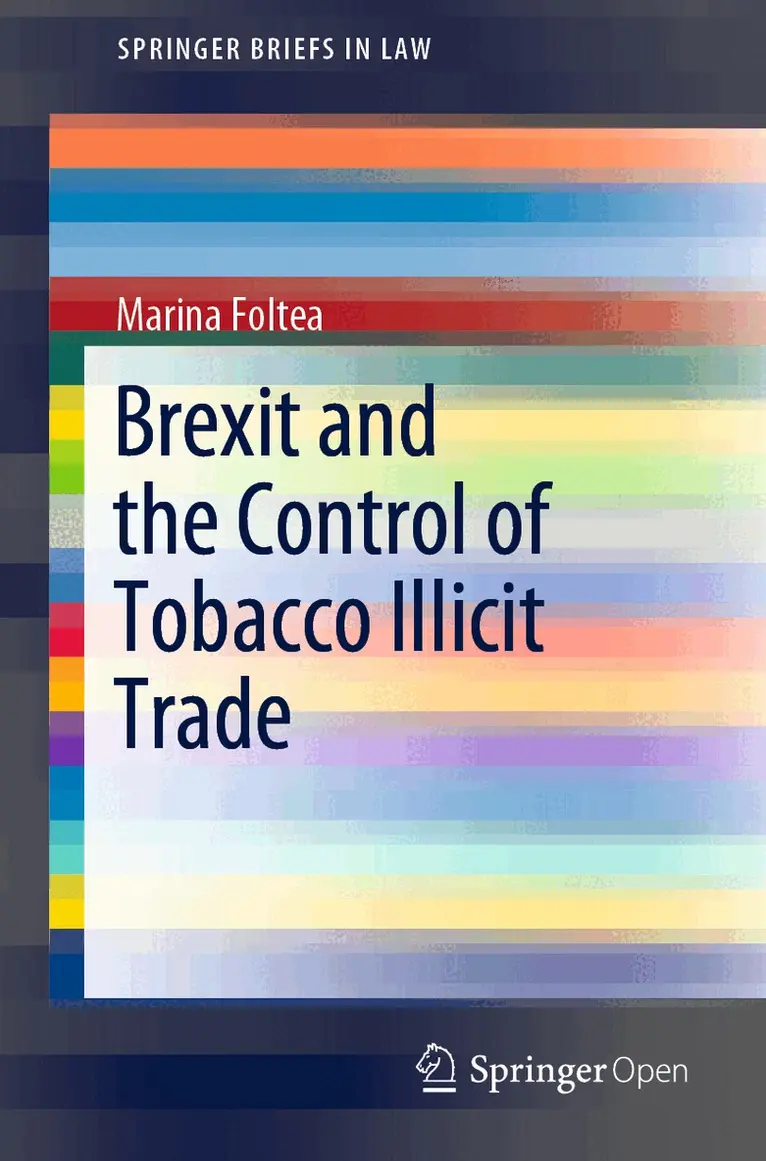
This book assesses the consequences of Brexit for the control of illicit trade in tobacco products in the UK and EU. Based on the currently applicable legal framework, it examines the significance of a possible non-application of the acquis communautaire in the UK in matters relating to anti-illicit trade in tobacco legislation. It also analyses the modes of future cooperation between the UK and the EU in this area, as well as possible regulatory scenarios and their consequences. The book comprises six main sections. After the introduction (Section 1), Section 2 discusses the state of play of Brexit and possible outcomes of Article 50 of the Treaty of European Union procedure. Section 3 illustrates the data and trends of illicit tobacco trade in the UK. Section 4 describes the relevant legal (e.g. trade and fiscal measures) and enforcement frameworks in the UK and suggests possible post-Brexit scenarios in control of tobacco illicit trade. Section 5 focuses on the relevance of arrangements between governments and the tobacco industry in the control of illicit trade. Section 6 then analyses the relevance of key EU and global anti-illicit trade initiatives. Lastly, Section 7 the book offers some recommendations and conclusions on how the UK could control illicit trade in tobacco after Brexit.