

This book is an edited and annotated translation of Karl Renner’s seminal Der Kampf der Österreichischen Nationen um den Staat (1902). Its main topics – national diversity within states and its possible accommodation – occupy the minds of academia and wider society today as much as they did in the multinational Habsburg Empire at the beginning of the 20th century. The central question of this book, i.e. how different nationalities can peacefully – and on equal footing – co-exist within the boundaries of the same state, has not lost its salience over the course of the hundred and twenty-three years since it was written. If anything, it has only grown in importance and urgency across a world where the nation-state remains a prevalent form of political organisation.
Del 142 - Soviet and Post-Soviet Politics and Society
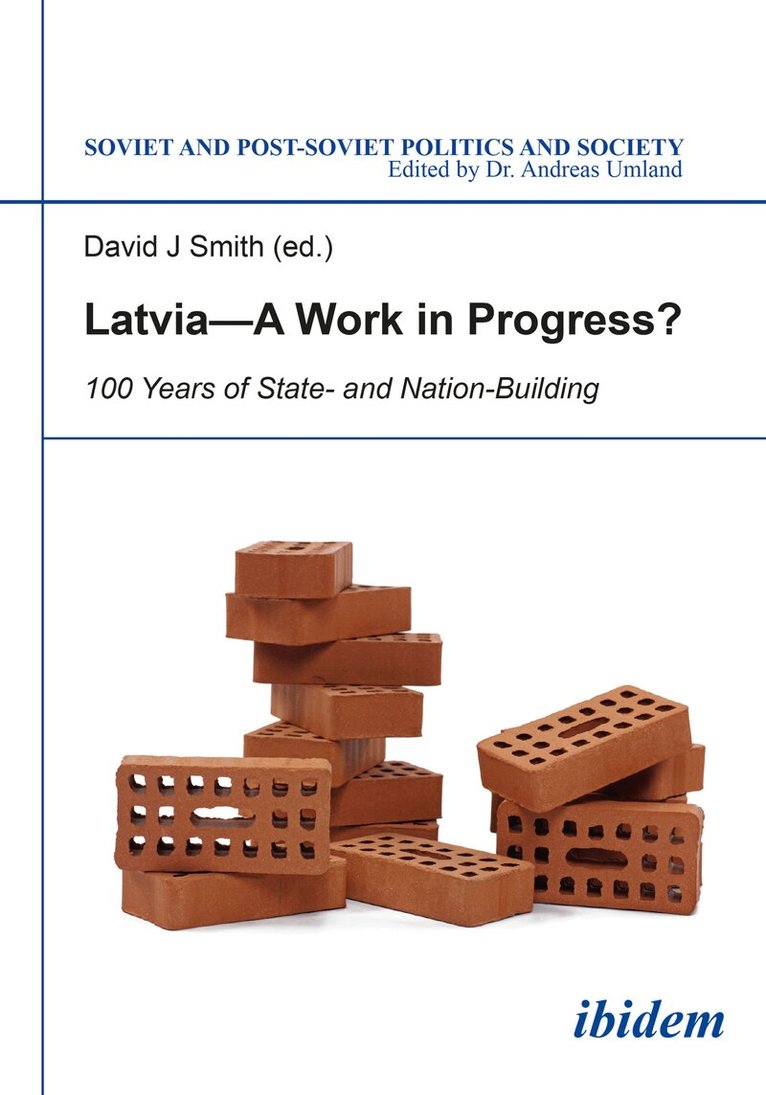
A quarter century after the formation of the Popular Front and a decade since joining the EU, processes of state- and nation-building in Latvia are still on-going. Issues such as citizenship, language policy, minority rights, democratic legitimacy, economic stability, and security all remain objects of vigorous public discussion. The current situation also reflects longer-standing debates on the relationship between state, nation, and sovereignty in Latvian society and polity. By examining different aspects of these relationships, this volume aims to reveal both key turning points and continuities in Latvia's development, thereby helping to inform current debates.
This book is an edited and annotated translation of Karl Renner’s seminal Der Kampf der Österreichischen Nationen um den Staat (1902). Its main topics – national diversity within states and its possible accommodation – occupy the minds of academia and wider society today as much as they did in the multinational Habsburg Empire at the beginning of the 20th century. The central question of this book, i.e. how different nationalities can peacefully – and on equal footing – co-exist within the boundaries of the same state, has not lost its salience over the course of the hundred and twenty-three years since it was written. If anything, it has only grown in importance and urgency across a world where the nation-state remains a prevalent form of political organisation.
Del 142 - Soviet and Post-Soviet Politics and Society
A quarter century after the formation of the Popular Front and a decade since joining the EU, processes of state- and nation-building in Latvia are still on-going. Issues such as citizenship, language policy, minority rights, democratic legitimacy, economic stability, and security all remain objects of vigorous public discussion. The current situation also reflects longer-standing debates on the relationship between state, nation, and sovereignty in Latvian society and polity. By examining different aspects of these relationships, this volume aims to reveal both key turning points and continuities in Latvia's development, thereby helping to inform current debates.