Marina Xiaojing Wang – författare
2 176 kr
Skickas inom 10-15 vardagar
2 176 kr
Skickas inom 10-15 vardagar
746 kr
Läs direkt efter köp
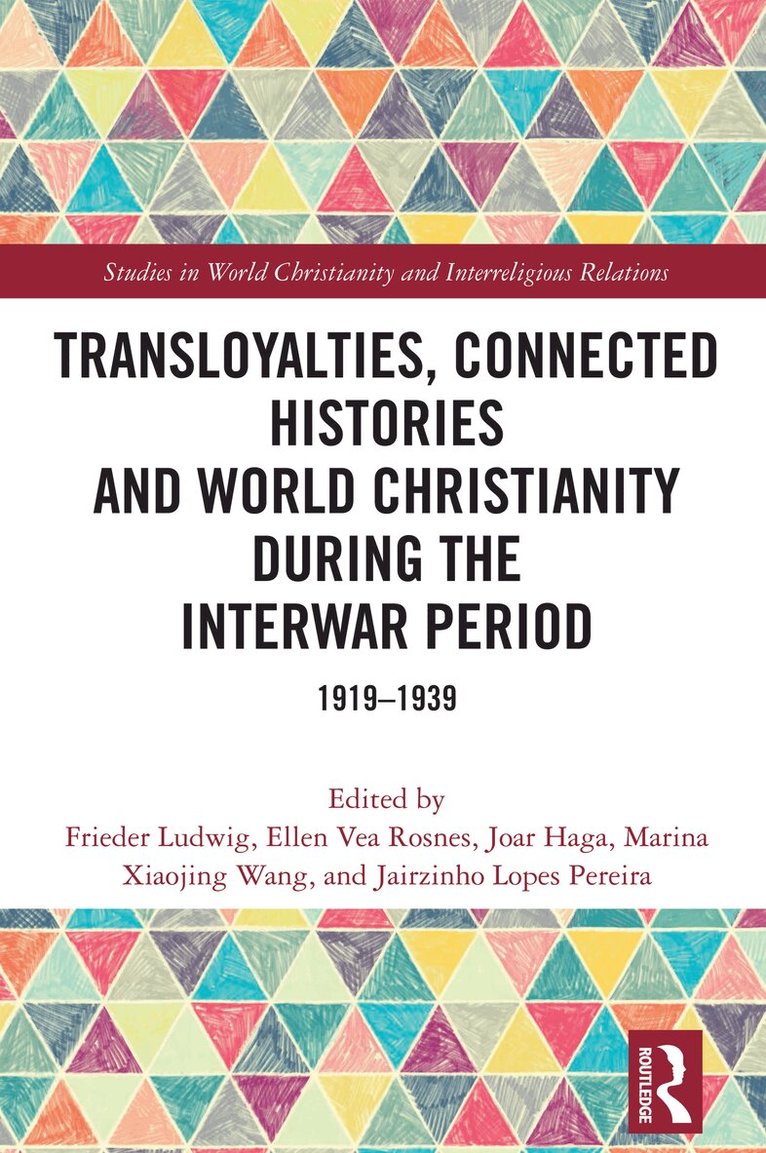
This book introduces the approach of “transloyalties” to study “connected histories” in World Christianity. The term “transloyalties” is used to analyze the multifaceted processes in various contact zones through which cultural and religious identities were transformed in the tension between different loyalties. The volume tests this approach in various case studies, most of them focusing on Lutheran churches and “World Lutheranism” between 1919 and 1939, a time of rapidly changing political circumstances.
Traditionally, the United States, Germany, and Scandinavia had been identified as the three centers of Lutheranism. However, while the structures in these centers were well established and “World Lutheranism” was something “out there,” with limited impact back home, negotiation processes on “Lutheran identity” were crucial in contexts where new Lutheran churches emerged. Asian and African church leaders operated in a new context of loyalties: They pushed for cooperation, and they often interacted with mission organizations from all three centers, and also with other religions, traditional cultures, and political movements. Therefore, it is significant what happened, for instance, in the Lutheran Church of China or at Umphumulo in South Africa.
Including theoretical reflections and case studies, this volume is valuable reading for scholars of the history of World Christianity.
746 kr
Läs direkt efter köp
This book introduces the approach of “transloyalties” to study “connected histories” in World Christianity. The term “transloyalties” is used to analyze the multifaceted processes in various contact zones through which cultural and religious identities were transformed in the tension between different loyalties. The volume tests this approach in various case studies, most of them focusing on Lutheran churches and “World Lutheranism” between 1919 and 1939, a time of rapidly changing political circumstances.
Traditionally, the United States, Germany, and Scandinavia had been identified as the three centers of Lutheranism. However, while the structures in these centers were well established and “World Lutheranism” was something “out there,” with limited impact back home, negotiation processes on “Lutheran identity” were crucial in contexts where new Lutheran churches emerged. Asian and African church leaders operated in a new context of loyalties: They pushed for cooperation, and they often interacted with mission organizations from all three centers, and also with other religions, traditional cultures, and political movements. Therefore, it is significant what happened, for instance, in the Lutheran Church of China or at Umphumulo in South Africa.
Including theoretical reflections and case studies, this volume is valuable reading for scholars of the history of World Christianity.
746 kr
Läs direkt efter köp
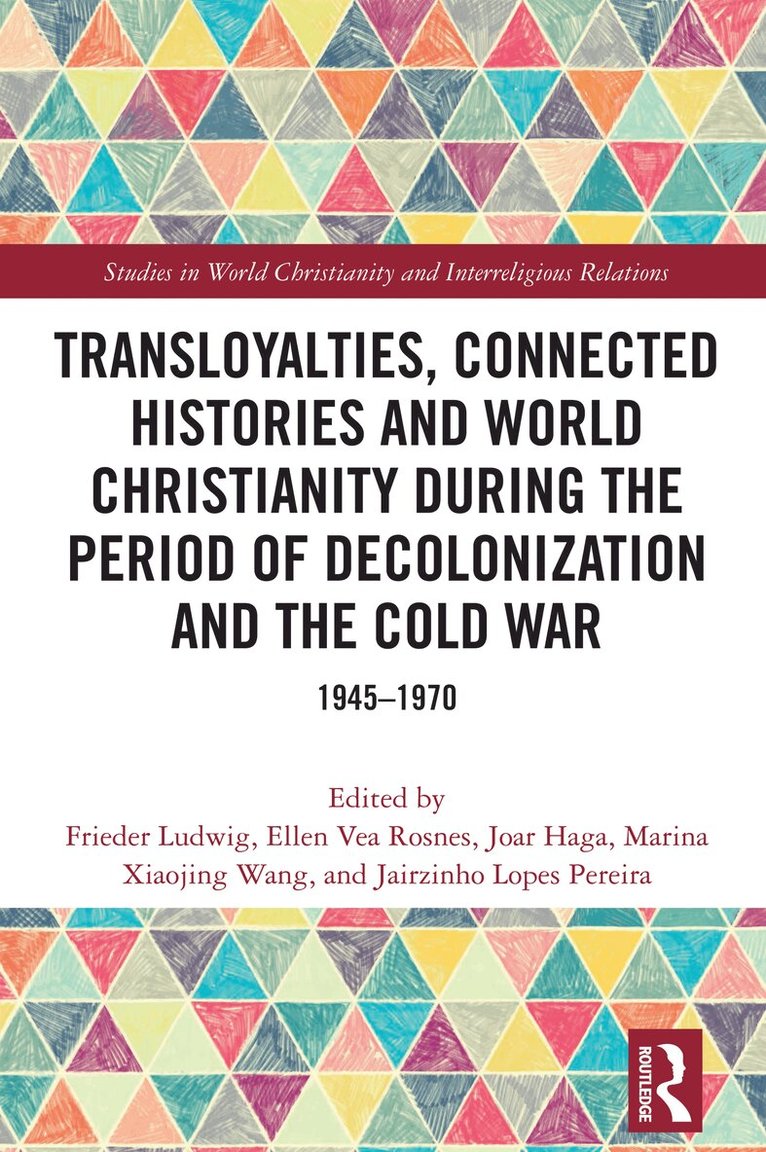
Focusing on the history of World Christianity, this book relates the concept of “transloyalties” to developments during the “Period of Decolonization and the Cold War.” This was a time when the terms “loyal” and “loyalty” became more frequently used, not only in the United States, where a “loyalty program” was introduced but also in Africa, Asia, and Europe. Churches and ecumenical organizations had to navigate in this context of new loyalty demands. They had to clarify whether changes in church/ state relations and corresponding changes in their organizational structures were necessary, or whether they affected core identities. Was the restriction or exclusion of Western missionaries a threat to the universal character of the church or a transition to self-governing churches? How did African and Asian churches relate to Western mission societies in the new context? Was the strive for justice a basis for cooperation with socialist governments, or were the concepts fundamentally different? How were denominations organized at a national level? Which forms of church government were chosen? Which denominations could become members of Christian Councils that represented joint interests toward the states? These are some of the questions that underlie the importance of this volume to the study of the history of World Christianity.
753 kr
Läs direkt efter köp
Focusing on the history of World Christianity, this book relates the concept of “transloyalties” to developments during the “Period of Decolonization and the Cold War.” This was a time when the terms “loyal” and “loyalty” became more frequently used, not only in the United States, where a “loyalty program” was introduced but also in Africa, Asia, and Europe. Churches and ecumenical organizations had to navigate in this context of new loyalty demands. They had to clarify whether changes in church/ state relations and corresponding changes in their organizational structures were necessary, or whether they affected core identities. Was the restriction or exclusion of Western missionaries a threat to the universal character of the church or a transition to self-governing churches? How did African and Asian churches relate to Western mission societies in the new context? Was the strive for justice a basis for cooperation with socialist governments, or were the concepts fundamentally different? How were denominations organized at a national level? Which forms of church government were chosen? Which denominations could become members of Christian Councils that represented joint interests toward the states? These are some of the questions that underlie the importance of this volume to the study of the history of World Christianity.