Marina Zaloznaya – författare
Visar alla böcker från författaren Marina Zaloznaya. Handla med fri frakt och snabb leverans.
6 produkter
Bribes, People, and Politics
How Everyday Corruption Shapes Governance in Eurasia
Av William M. Reisinger, Marina Zaloznaya
Häftad, 2027
397 kr
Kommande
Everyday bureaucratic corruption is not the domain of oligarchs or powerful elites, but of informal exchanges between bureaucrats and ordinary citizens seeking to move paperwork, secure benefits, or avoid penalties. Despite extensive research on the economic, legal, and social consequences of …
Bribes, People, and Politics
How Everyday Corruption Shapes Governance in Eurasia
Av William M. Reisinger, Marina Zaloznaya
Inbunden, 2027
1174 kr
Kommande
Everyday bureaucratic corruption is not the domain of oligarchs or powerful elites, but of informal exchanges between bureaucrats and ordinary citizens seeking to move paperwork, secure benefits, or avoid penalties. Despite extensive research on the economic, legal, and social consequences of …
Comparative Historical Sociology of Corruption
Av Nicholas Hoover Wilson, Marina Zaloznaya m. fl.
E-bok, 2026
1548 kr
Lägg i varukorg
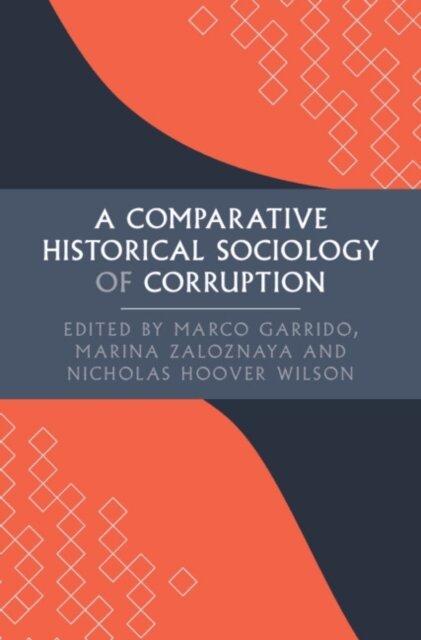
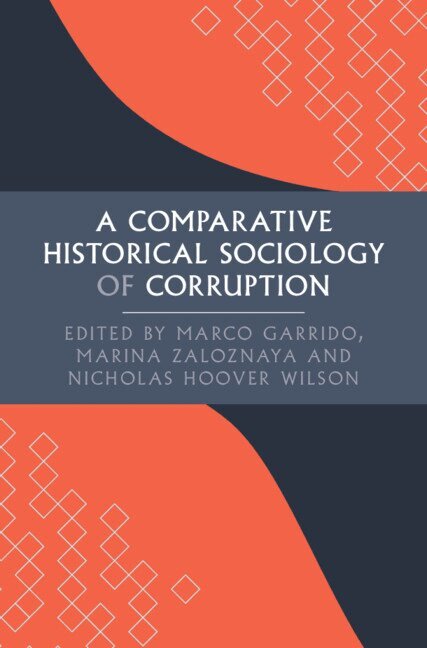
A Comparative Historical Sociology of Corruption
Av Marco Garrido, Marina Zaloznaya m. fl.
Inbunden, 2026
1563 kr
Lägg i varukorg
This volume renews the study of corruption as 'embedded' in ongoing social relations. Instead of treating corruption as a universal phenomenon, A Comparative Historical Sociology of Corruption shows how corruption is often morally ambiguous and deeply intertwined with the social, political and …
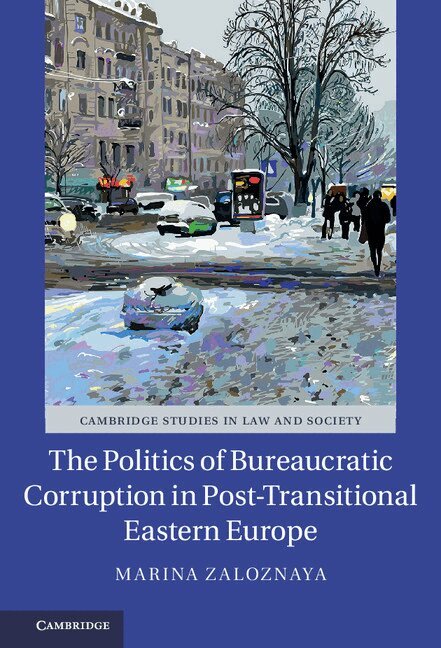
The Politics of Bureaucratic Corruption in Post-Transitional Eastern Europe
Inbunden, 2017
1243 kr
Lägg i varukorg
Using a mix of ethnographic, survey, and comparative historical methodologies, this book offers an unprecedented insight into the corruption economies of Ukrainian and Belarusian universities, hospitals, and secondary schools. Its detailed analysis suggests that political turnover in hybrid …
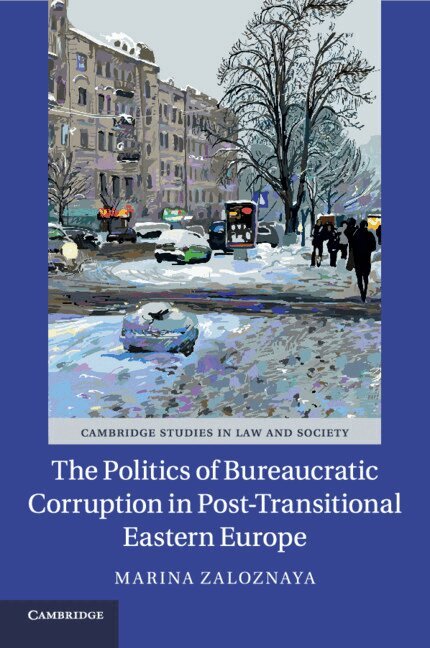
The Politics of Bureaucratic Corruption in Post-Transitional Eastern Europe
Häftad, 2018
523 kr
Lägg i varukorg
Using a mix of ethnographic, survey, and comparative historical methodologies, this book offers an unprecedented insight into the corruption economies of Ukrainian and Belarusian universities, hospitals, and secondary schools. Its detailed analysis suggests that political turnover in hybrid …