Mario Carpo – författare
Visar alla böcker från författaren Mario Carpo. Handla med fri frakt och snabb leverans.
14 produkter
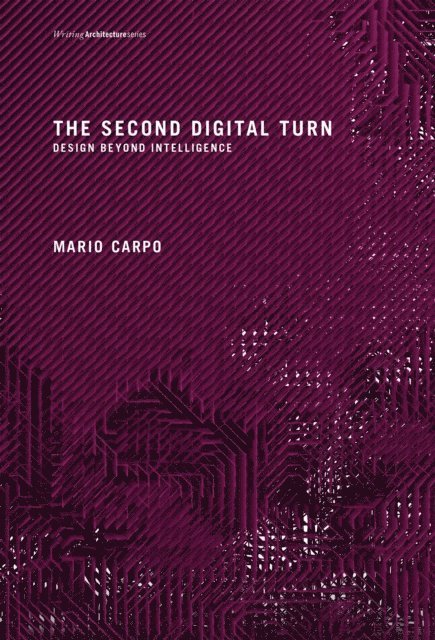
Second Digital Turn
Av Mario Carpo
E-bok, 2017
310 kr
Lägg i varukorg
The first digital turn in architecture changed our ways of making; the second changes our ways of thinking. Almost a generation ago, the early software for computer aided design and manufacturing (CAD/CAM) spawned a style of smooth and curving lines and surfaces that gave visible form to the first …
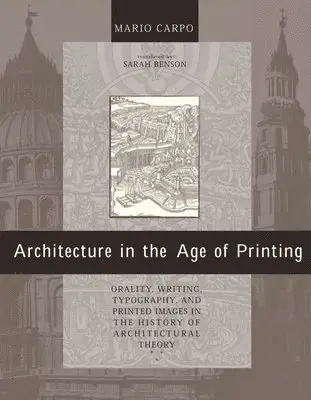
Architecture in the Age of Printing
Orality, Writing, Typography, and Printed Images in the History of Architectural Theory
Av Mario Carpo
Häftad, 2017
461 kr
Lägg i varukorg
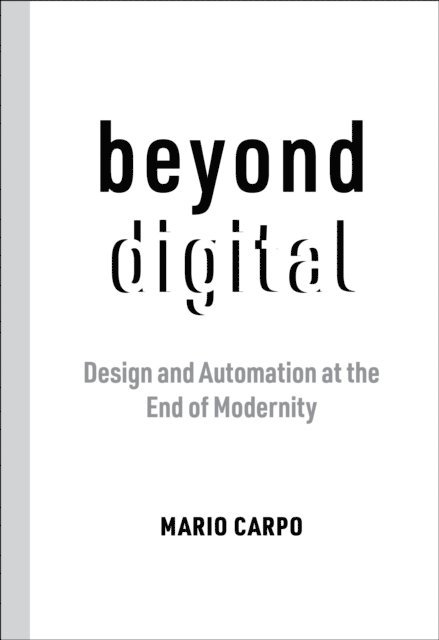
Beyond Digital
Design and Automation at the End of Modernity
Av Mario Carpo
Häftad, 2023
329 kr
Lägg i varukorg
Recasting computational design: a new modern agenda for a post-industrial, post-pandemic world.Mass production was the core technical logic of industrial modernity: for the last hundred years, architects and designers have tried to industrialize construction and standardize building materials and …
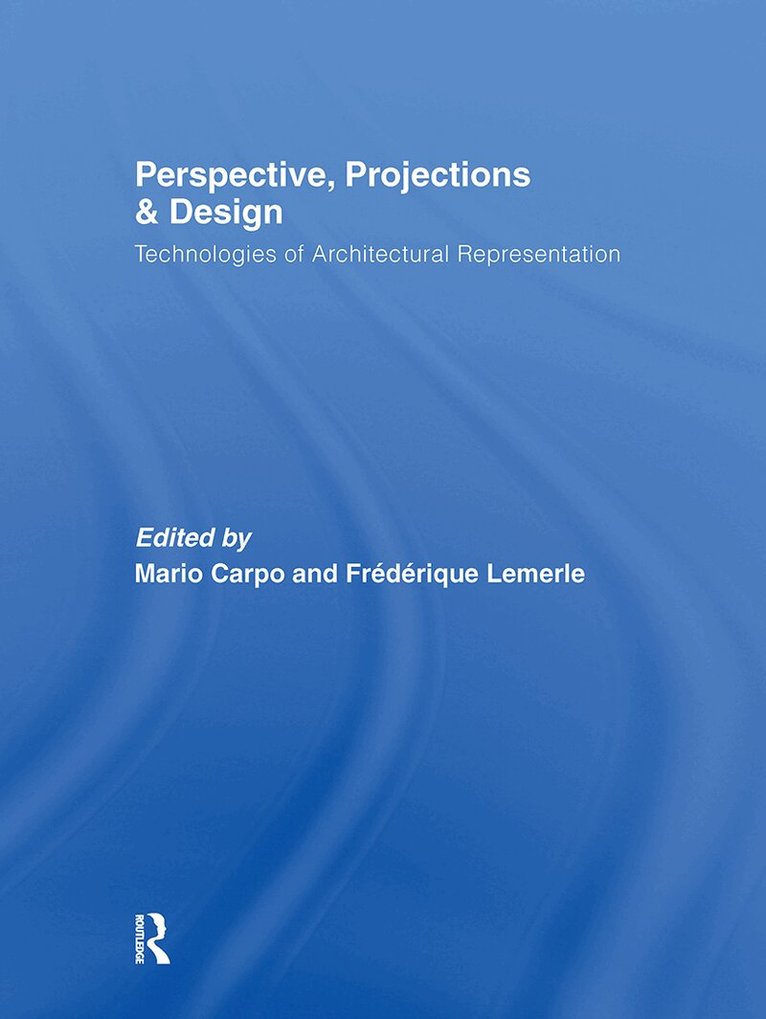
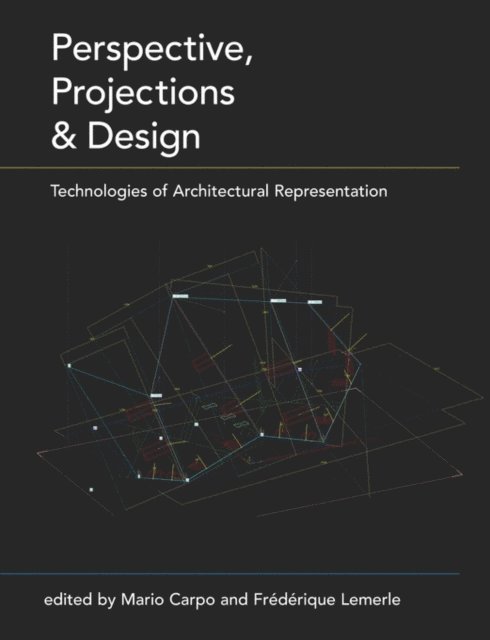
Perspective, Projections and Design
Technologies of Architectural Representation
Av Mario Carpo, Frédérique Lemerle
Inbunden, 2007
3175 kr
Lägg i varukorg
The essays selected for this book, presented in chronological order, discuss various aspects of image-making technologies, geometrical knowledge and tools for architectural design, focusing in particular on two historical periods marked by comparable patterns of technological and cultural change. …
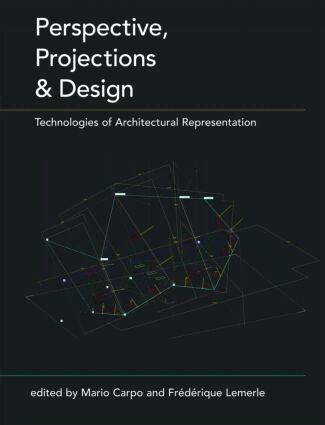
Perspective, Projections and Design
Technologies of Architectural Representation
Av Mario Carpo, Frédérique Lemerle
Häftad, 2007
1259 kr
Lägg i varukorg
The essays selected for this book, presented in chronological order, discuss various aspects of image-making technologies, geometrical knowledge and tools for architectural design, focusing in particular on two historical periods marked by comparable patterns of technological and cultural change. …
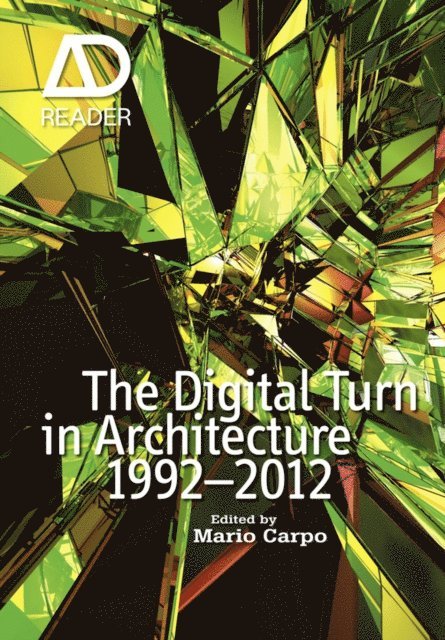
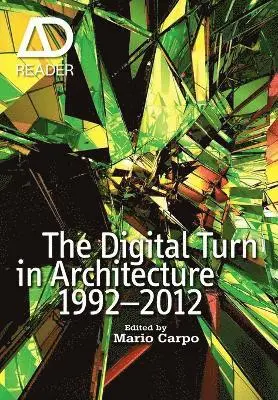
Digital Turn in Architecture 1992 - 2012
Av Mario Carpo
E-bok, 2013
654 kr
Lägg i varukorg
Now almost 20 years old, the digital turn in architecture has already gone through several stages and phases. Architectural Design ( AD ) has captured them all – from folding to cyberspace, nonlinearity and hypersurfaces, from versioning to scripting, emergence, information modelling and …
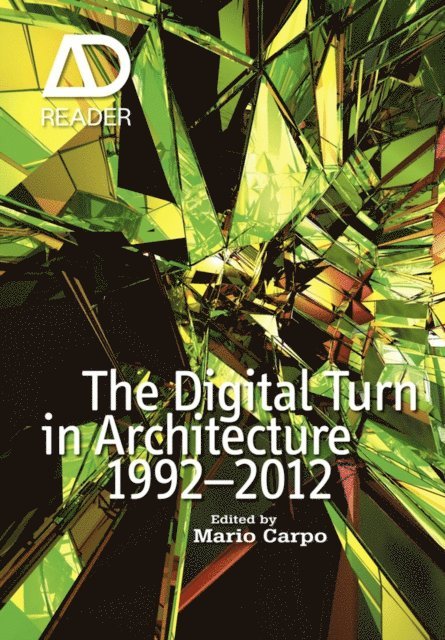
Digital Turn in Architecture 1992 - 2012
Av Mario Carpo
E-bok, 2013
654 kr
Lägg i varukorg
Now almost 20 years old, the digital turn in architecture has already gone through several stages and phases. Architectural Design ( AD ) has captured them all – from folding to cyberspace, nonlinearity and hypersurfaces, from versioning to scripting, emergence, information modelling and …
Digital Turn in Architecture 1992 - 2012
Häftad, 2013
572 kr
Lägg i varukorg
Now almost 20 years old, the digital turn in architecture has already gone through several stages and phases. Architectural Design (AD) has captured them all – from folding to cyberspace, nonlinearity and hypersurfaces, from versioning to scripting, emergence, information modelling and …
Perspective, Projections and Design
Technologies of Architectural Representation
Av Frederique Lemerle, Mario Carpo
E-bok, 2013
1480 kr
Lägg i varukorg
The essays selected for this book, presented in chronological order, discuss various aspects of image-making technologies, geometrical knowledge and tools for architectural design, focusing in particular on two historical periods marked by comparable patterns of technological and cultural change. …
Perspective, Projections and Design
Technologies of Architectural Representation
Av Frederique Lemerle, Mario Carpo
E-bok, 2013
1480 kr
Lägg i varukorg
The essays selected for this book, presented in chronological order, discuss various aspects of image-making technologies, geometrical knowledge and tools for architectural design, focusing in particular on two historical periods marked by comparable patterns of technological and cultural change. …
Second Digital Turn
Design Beyond Intelligence
Av Mario Carpo
Häftad, 2017
250 kr
Tillfälligt slut
The first digital turn in architecture changed our ways of making; the second changes our ways of thinking.Almost a generation ago, the early software for computer aided design and manufacturing (CAD/CAM) spawned a style of smooth and curving lines and surfaces that gave visible form to the first …
Digital Turn in Architecture 1992 - 2012
Av Mario Carpo
Inbunden, 2012
1061 kr
Tillfälligt slut
Now almost 20 years old, the digital turn in architecture has already gone through several stages and phases. Architectural Design (AD) has captured them all – from folding to cyberspace, nonlinearity and hypersurfaces, from versioning to scripting, emergence, information modelling and …