Mario Marrone - Böcker
Visar alla böcker från författaren Mario Marrone. Handla med fri frakt och snabb leverans.
4 produkter
4 produkter
636 kr
Skickas inom 7-10 vardagar
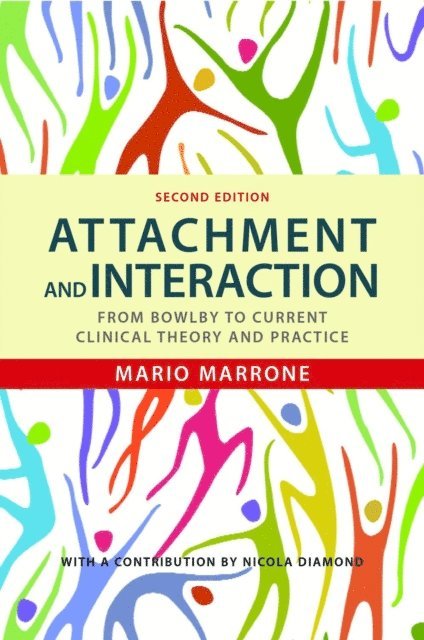
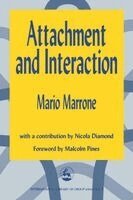
Attachment and Interaction is an accessible introduction to the history and evolution of attachment theory, which traces the early roots of attachment theory from the work of its creator John Bowlby through to the most recent theoretical developments and their clinical applications. Mario Marrone explores how attachment theory can inform the way in which therapists work with their patients, and what the practical implications are of using such an approach. By bringing together personal anecdotes from his own experiences as Bowlby's supervisee with clear explanations of Bowlby's ideas, Marrone creates a memorable and engaging account of attachment theory. This new, updated edition includes references to bereavement, sexuality and the application of attachment-based principles to individual, family and group psychotherapy.This clear exposition of attachment theory is relevant and valuable reading for trainees and practising individual and group psychotherapists, family therapists and mental health professionals – as well as anyone with an interest in John Bowlby and the evolution of psychotherapy.
252 kr
Tillfälligt slut
722 kr
Skickas inom 7-10 vardagar
This book focuses on the understanding of the epistemological roots of attachment theory, conceptualised as psychoanalytic paradigm, which highlights the movement away from a 'one-person psychology' to a multi-person psychology'. In this context, attachment theory is viewed as a theory of processes, across generations and across the dynamic interaction between the individual and his 'worlds of others' (including parental figures, offspring, the sexual partner, the group and society). This position is congenial with contemporary philosophical and developmental ideas and recent advances in the neurosciences. It is also a contribution to British Independent Psychoanalytic thinking, the so-called 'relational schools of psychoanalysis' and group analysis. This book involves: A didactic formulation of the basic principles of attachment theory as a psychoanalytic paradigm.Critical discussions of controversial issues in psychoanalysis (such as theories of intersubjectivity, thinking and motivation, the role of the historical reconstruction in psychoanalytic psychotherapy and the relation between attachment and sexuality), viewed from an attachment perspective.An exploration of the clinical implications of these concepts.This text will be of interest to individual therapists as well as group analysts, couple therapists, family therapists and academics.
887 kr
Skickas inom 7-10 vardagar
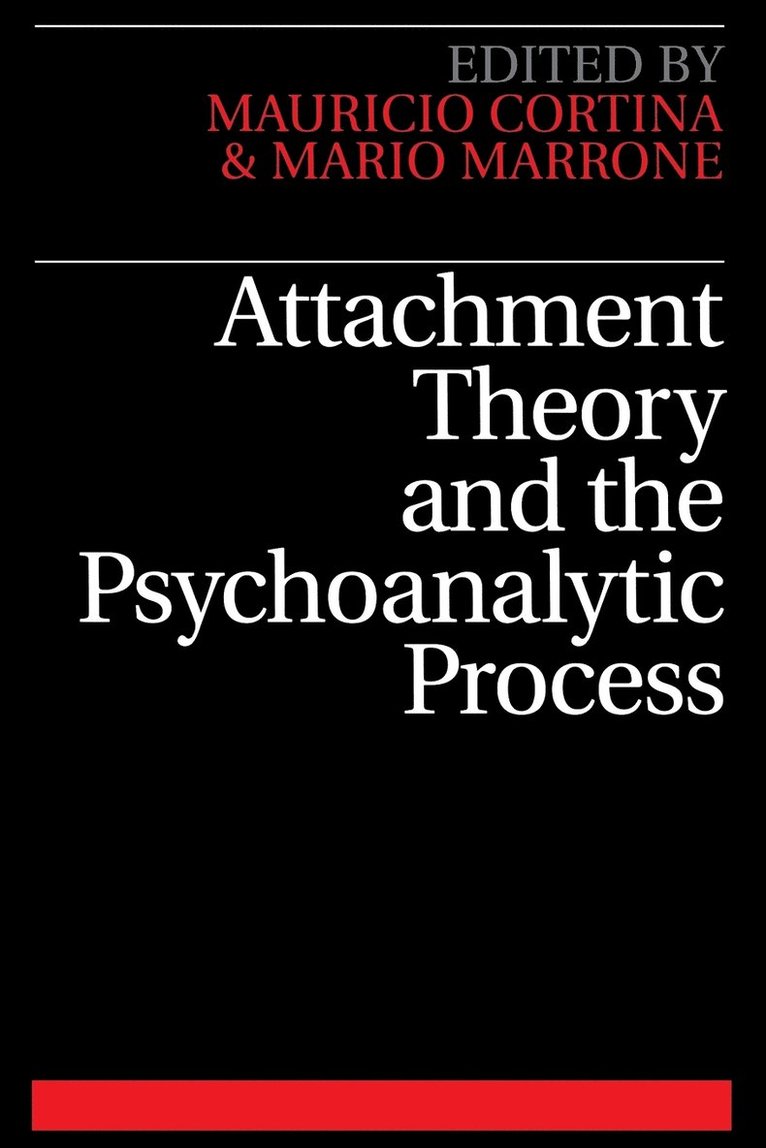
Attachment theory, the brainchild of child psychiatrist and psychoanalyst John Bowlby, has begun to have a worldwide impact among clinicians within the last ten years. This interest marks a departure from the early fate of attachment theory. At first shunned by the psychoanalytic community, Bowlby's brilliant and groundbreaking effort to recast basic psychoanalytic concepts within system theories and a new, ethologically based model of the importance of affectional ties across the life span was taken up by a group of gifted developmental researchers. Empirical research not only tested and confirmed many basic propositions of attachment theory, but also extended Attachment theory in unexpected and creative ways. Bowlby was surprised and gratified by this turn of events, but also disappointed that his intended clinical audience has not taken the theory and run with it. This edited book is in part a testament to the fact that clinicians are beginning to do just that; they are taking Attachment theory and research creatively to examine clinical issues. In doing so, new vistas and hypothesis are being put forward showing that Attachment theory is alive and well. In this volume the editors gathered a distinguished group of clinician-scholars from around the world (Argentina, Italy, Mexico, UK, USA and Spain) to examine and extend Bowlby's legacy.The book should be of interest to clinicians regardless of their orientation. Attachment theory cuts across boundaries of clinical modalities-individual, group or family therapy-and orientations-psychoanalytic, cognitive or behavioural. The book should also be of interest to researchers who may find the heuristic value of clinical insights a valuable addition to the legacy of Attachment theory.