Mario Vargas Llosa – författare
Visar alla böcker från författaren Mario Vargas Llosa. Handla med fri frakt och snabb leverans.
164 produkter
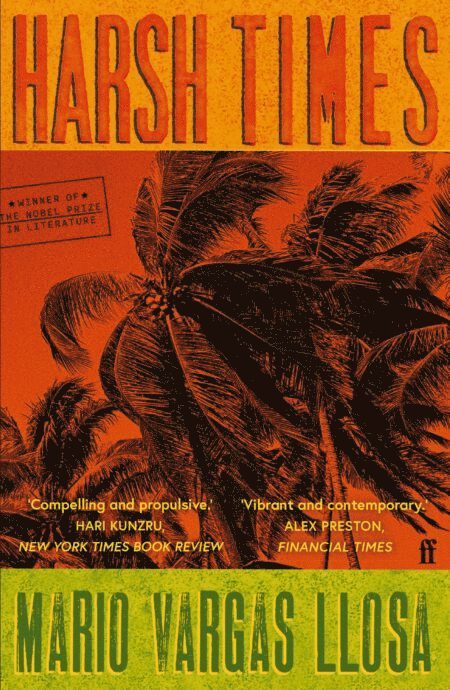
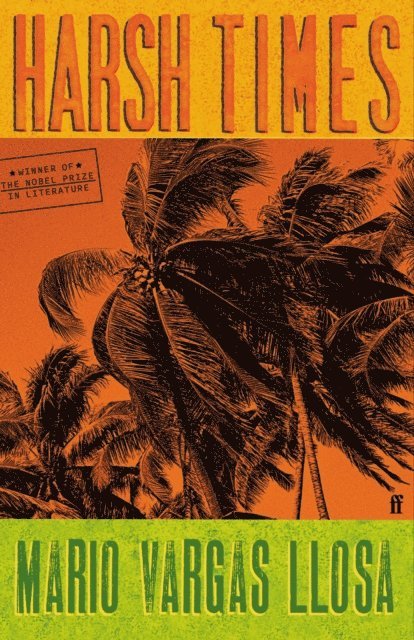
Harsh Times
Häftad, 2022
139 kr
Lägg i varukorg
THE NEW NOVEL FROM THE WINNER OF THE NOBEL PRIZE IN LITERATURE"A wildly enjoyable book; the 85-year-old Vargas Llosa is as sharp and mordantly funny as ever." Financial TimesGuatemala, 1954. A CIA-supported military coup topples the government. Behind this violent act is a lie passed off as truth, …
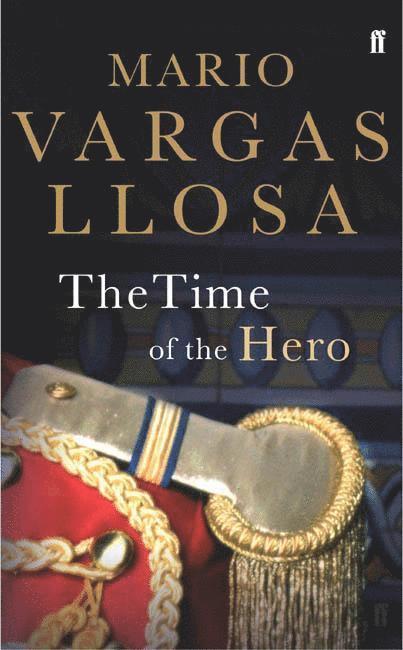
Time of the Hero
Winner of the Nobel Prize in Literature
Häftad, 1995
4,0 utav 5 stjärnor. Totalt antal röster: (1)
130 kr
Lägg i varukorg
WINNER OF THE NOBEL PRIZE IN LITERATUREOne of the Telegraph's 'Ten Best Latin American Novels of all Time' The Time of the Hero has been acclaimed by critics around the world as one of the outstanding Spanish novels of recent decades. In the author's native Peru, this powerful social satire so …
Captain Pantoja and the Special Service
Häftad, 1987
147 kr
Lägg i varukorg
In this delightful farce, the prim and proper Captain Pantoja is sent to Peru's Amazon frontier on a secret Army mission - he must find females for the amorous recruits. Yet complications arise as word of his achievements starts to spread, and he finds himself battling against his wife, religious …
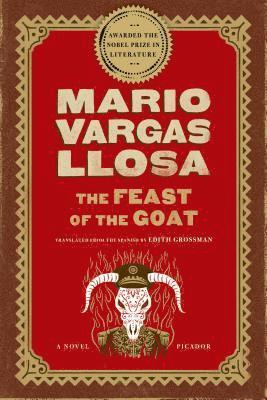
The Feast of the Goat
A Novel
Häftad, 2002
4,5 utav 5 stjärnor. Totalt antal röster: (2)
269 kr
Lägg i varukorg
Returning to her native Domincan Republic, forty-nine-year-old Urania Cabral, discovers that Rafael Trujillo, the depraved dictator called the Goat by the Domincans, still reigns over his inner circle, which includes Urania's father, with brutality and blackmail, but soon an uprising against him …
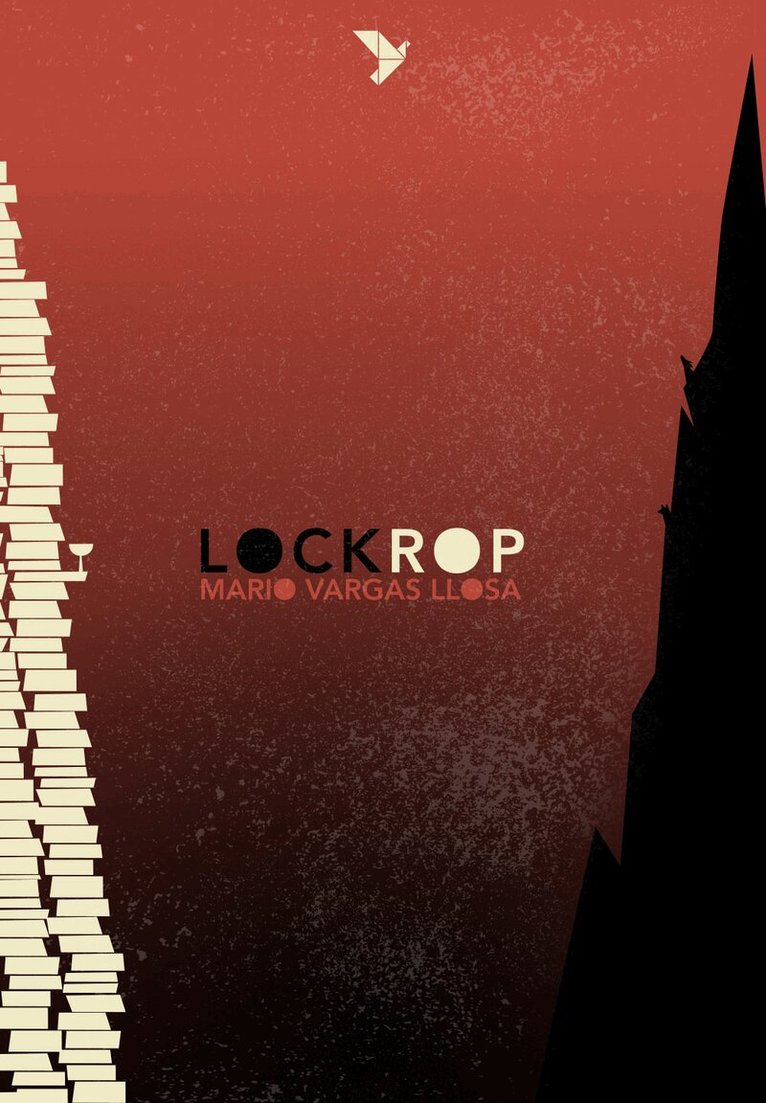
Lockrop
Inbunden, 2019
4,5 utav 5 stjärnor. Totalt antal röster: (2)
213 kr
Lägg i varukorg
I Lockrop berättar Mario Vargas Llosa sin intellektuella historia. Boken är en bildningsresa där författaren återvänder till böckerna som format honom. Han finner en livslång strid mellan lockropet från den egna stammen och västs universella ideal. I en tid då identitet och kultur hetsar fram …
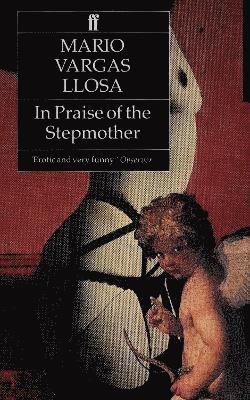
In Praise of the Stepmother
Häftad, 2004
130 kr
Lägg i varukorg
WINNER OF THE NOBEL PRIZE IN LITERATURE In Praise of the Stepmother is the story of Don Rigoberto, his second wife, Lucrecia, and his son, Alfonso. Their family life together seems to be a happy one. Rigoberto, an insurance company manager, spends his time preening himself for his wife and …
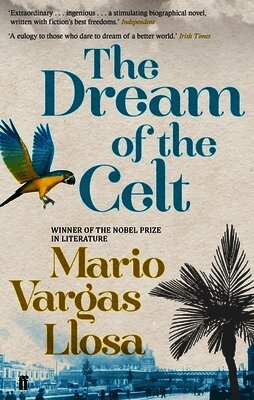
Dream of the Celt
Häftad, 2013
166 kr
Lägg i varukorg
'Extraordinary.' Independent 'Gripping.' Financial Times 'Epic.' Guardian'A novel that engages head and heart from start to finish.' Irish TimesWINNER OF THE NOBEL PRIZE IN LITERATUREAs The Dream of the Celt opens, it is the summer of 1916 and Roger Casement awaits the hangman in London's …
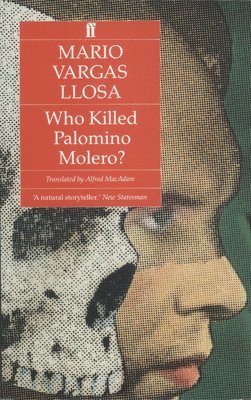
Who Killed Palomino Molero?
Häftad, 1989
130 kr
Lägg i varukorg
WINNER OF THE NOBEL PRIZE IN LITERATURE Peru, 1950s. A young airman is found brutally murdered near an Air Force base in the northern desert. Lieutenant Silva and Officer Lituma set out to investigate, hitching rides on chicken trucks and cajoling a cab driver into taking them to the crime scene. …
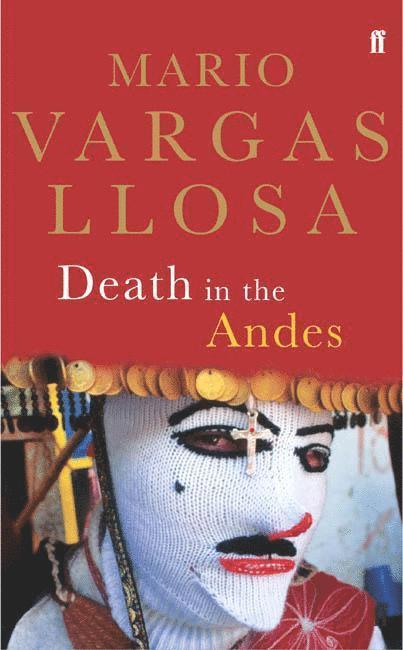
Death in the Andes
Häftad, 2004
139 kr
Lägg i varukorg
WINNER OF THE NOBEL PRIZE FOR LITERATUREIn an isolated community in the Peruvian Andes, a series of mysterious disappearances has occurred. Army corporal Lituma and his deputy Tomás believe the Shining Path guerrillas are responsible, but the townspeople have their own ideas about the forces that …
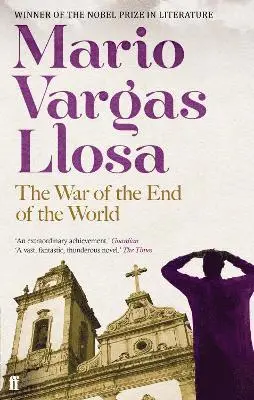
War of the End of the World
Häftad, 2012
149 kr
Lägg i varukorg
The War of the End of the World is one of the great modern historical novels. Inspired by a real episode in Brazilian history, Mario Vargas Llosa tells the story of an apocalyptic movement, led by a mysterious prophet, in which prostitutes, beggars and bandits establish Canudos, a new republic, a …
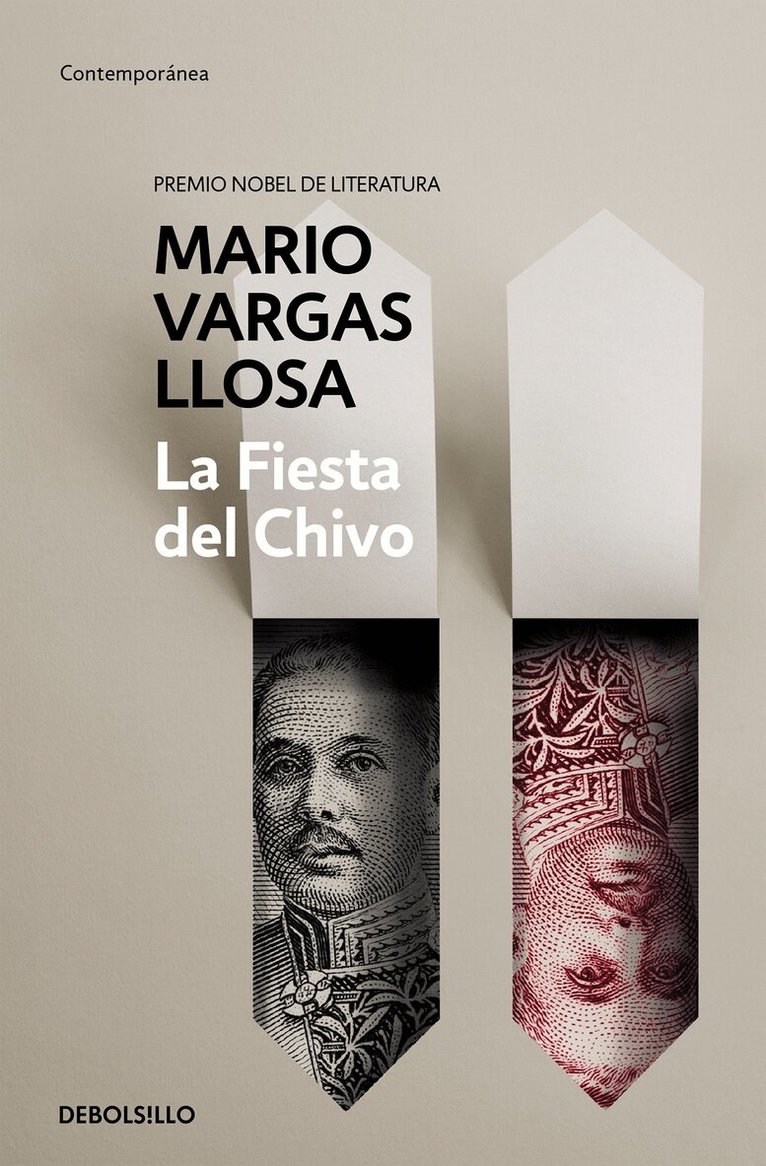
La fiesta del chivo / The Feast of the Goat
Häftad, 2015
4,5 utav 5 stjärnor. Totalt antal röster: (2)
239 kr
Lägg i varukorg
Vargas Llosa, Premio Nobel de Literatura y Príncipe de Asturias de las Letras, relata el fin de una era dando voz al impecable e implacable general Trujillo, apodado el Chivo, y al sosegado y hábil doctor Balaguer (sempiterno presidente de la República Dominicana). Uno de los mejores libros en …
The War of the End of the World
Häftad, 2008
3,0 utav 5 stjärnor. Totalt antal röster: (1)
491 kr
Lägg i varukorg
Conversation in the Cathedral
Häftad, 2013
4,0 utav 5 stjärnor. Totalt antal röster: (1)
273 kr
Lägg i varukorg
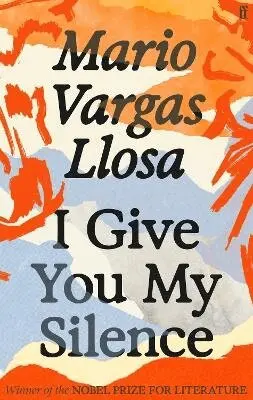
I Give You My Silence
Winner of the Nobel Prize in Literature
Häftad, 2026
225 kr
Lägg i varukorg
'A titan of Latin American literature.' New York Times 'A powerhouse of literary energy.' William Boyd The final novel from Nobel laureate Mario Vargas Llosa, a playful and powerful love letter to Peruvian culture.One evening, Toño Azpilcueta, a Peruvian folk music journalist, witnesses a …
Harsh Times
E-bok, 2021
213 kr
Lägg i varukorg
THE NEW NOVEL FROM THE WINNER OF THE NOBEL PRIZE IN LITERATURE"A wildly enjoyable book; the 85-year-old Vargas Llosa is as sharp and mordantly funny as ever." Financial TimesGuatemala, 1954. A CIA-supported military coup topples the government. Behind this violent act is a lie passed off as truth, …
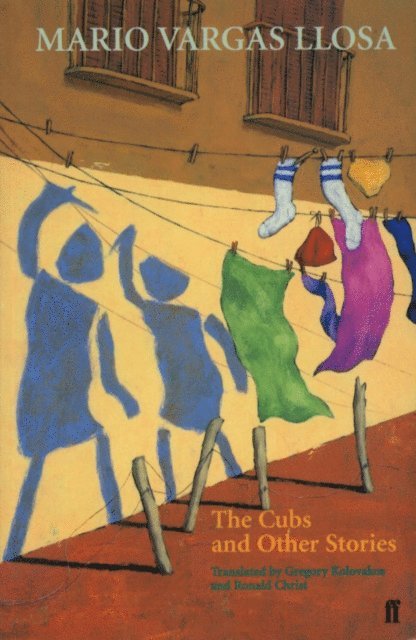
Cubs and Other Stories
E-bok, 2012
115 kr
Lägg i varukorg
Winner of the Nobel Prize for Literature The Cubs and Other Stories is Mario Vargas Llosa's only volume of short fiction available in English. Vargas Llosa's domain is the Peru of male youth and machismo, where life's dramas play themselves out on the soccer field, on the dance floor and on street …
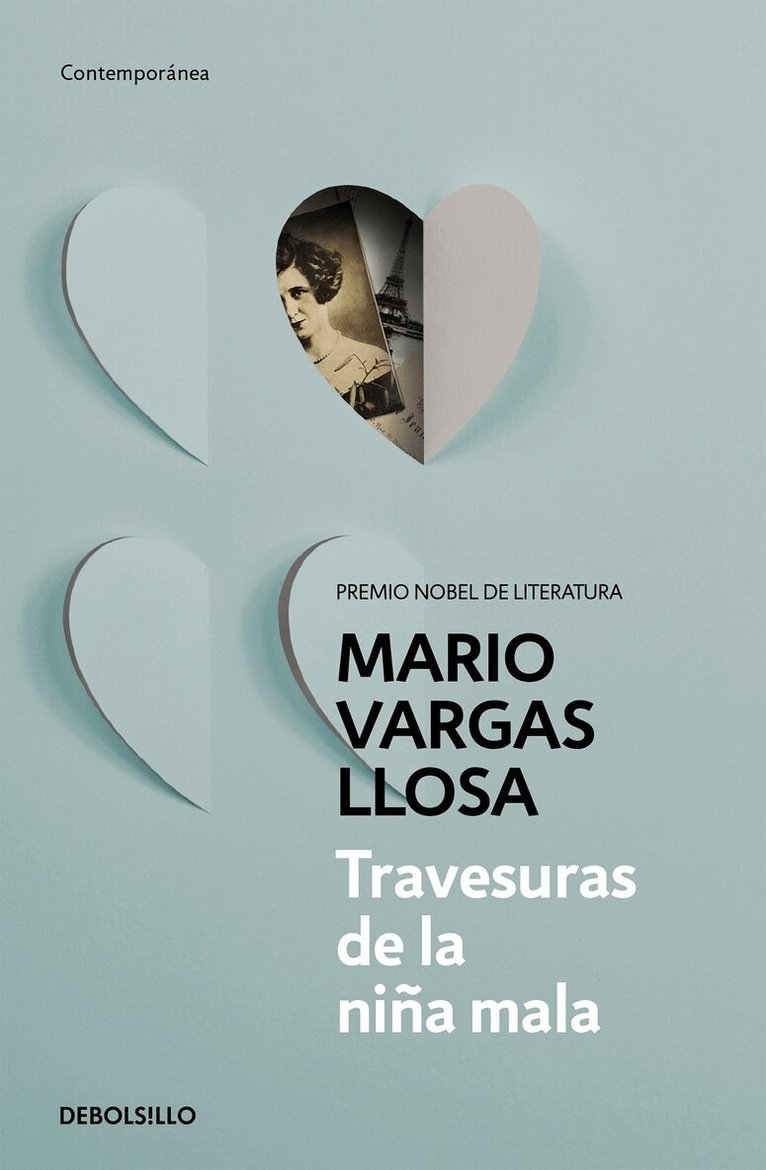
Den stygga flickans rackartyg
Ljudbok, 2010
4,3 utav 5 stjärnor. Totalt antal röster: (26)
169 kr
Lägg i varukorg
"Berättar lättsamt elegant och medryckande och lyckas göra sol-och-vårkvinnan till en människa av kött och blod … Mer än en mansdröm framstår stygga flickan som en bild av äventyret och spänningen … ja varför inte som en bild av själva fiktionens lockelse." Helsingborgs Dagblad De är femton när de …
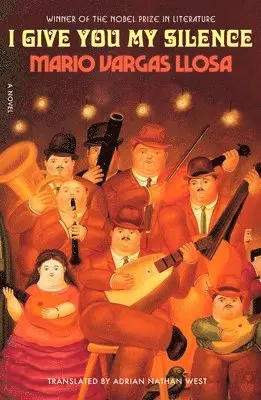
I Give You My Silence
A Novel
Inbunden, 2026
349 kr
Lägg i varukorg
In his final novel, the Nobel Prize winner Mario Vargas Llosa returns to his native Peru. Tono Azpilcueta, proletarian intellectual, writer of sundry articles, aspirant to the now-defunct professorship of Peruvian studies, is an expert in the vals, a genre of music descended from the European waltz …
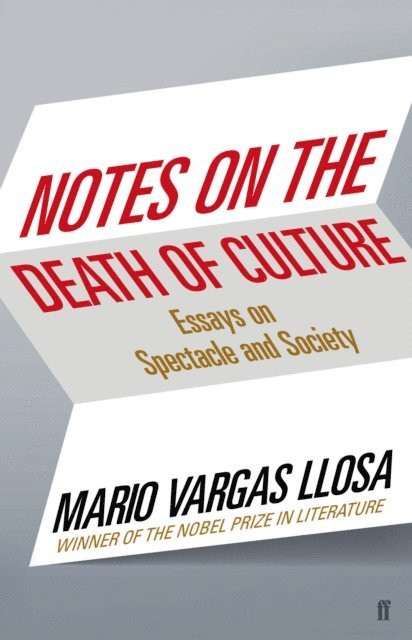
Notes on the Death of Culture
Essays on Spectacle and Society
E-bok, 2015
209 kr
Lägg i varukorg
WINNER OF THE NOBEL PRIZE IN LITERATURE 'The most approachable and exhilarating Latin American writer of our times.' Robert McCrum, ObserverIn the past, culture was a kind of vital consciousness that constantly rejuvenated and revivified everyday reality. Now it is largely a mechanism of …
Notes on the Death of Culture
Essays on Spectacle and Society
Häftad, 2022
190 kr
Lägg i varukorg
WINNER OF THE NOBEL PRIZE IN LITERATURE 'The most approachable and exhilarating Latin American writer of our times.' Robert McCrum, ObserverIn the past, culture was a kind of vital consciousness that constantly rejuvenated and revivified everyday reality. Now it is largely a mechanism of …
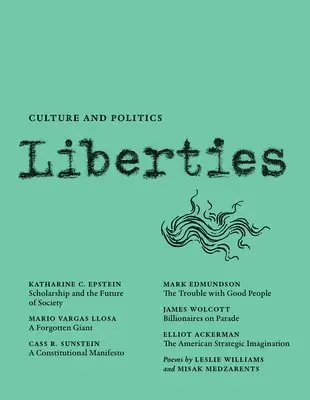
Liberties Journal of Culture and Politics
Summer 2023
Av Mario Vargas Llosa, Katherine C. Epstein m. fl.
Häftad, 2023
188 kr
Lägg i varukorg
Liberties, a Journal of Culture and Politics , is essential reading for those engaged in the cultural and political issues of our time. In this issue of Liberties : Katherine C. Epstein — Scholarship and the Future of Society; Mario Vargas Llosa — A Forgotten Giant; Cass R. Sunstein — A …
I Give You My Silence
Winner of the Nobel Prize in Literature
Inbunden, 2026
251 kr
Lägg i varukorg
'A titan of Latin American literature.' New York Times 'A powerhouse of literary energy.' William Boyd The final novel from Nobel laureate Mario Vargas Llosa, a playful and powerful love letter to Peruvian culture.One evening, Toño Azpilcueta, a Peruvian folk music journalist, witnesses a …