Marion Bolder-Boos – författare
Visar alla böcker från författaren Marion Bolder-Boos. Handla med fri frakt och snabb leverans.
4 produkter
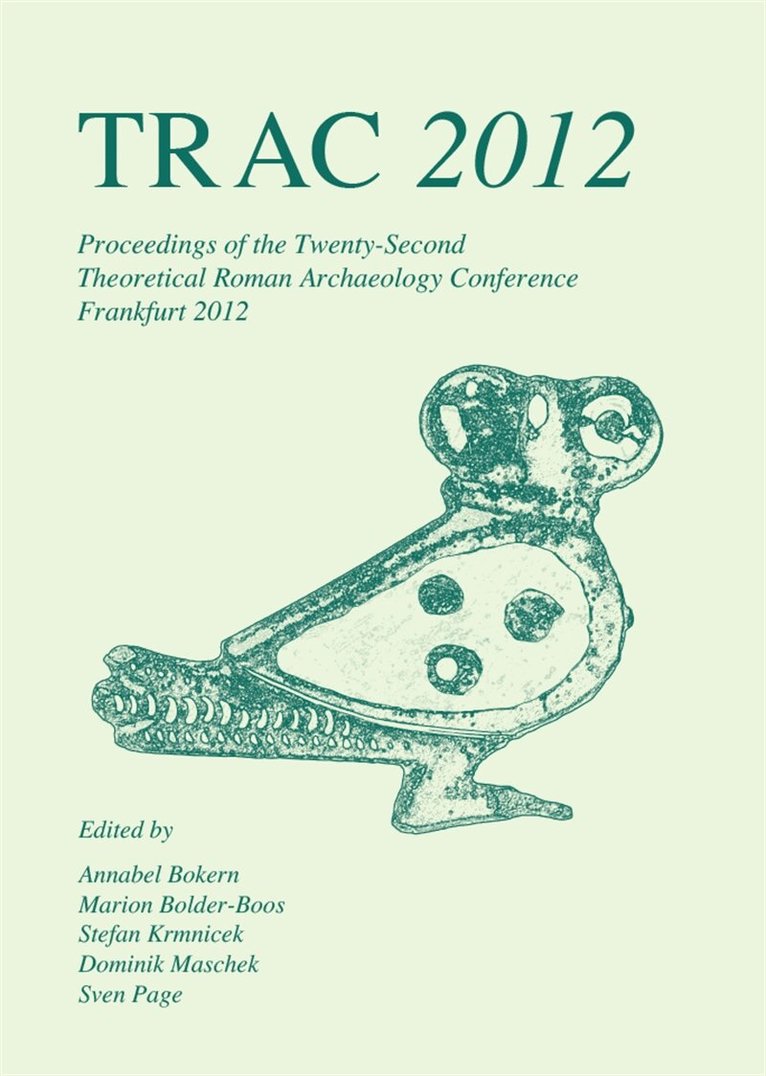
TRAC 2012
Proceedings of the Twenty-Second Annual Theoretical Roman Archaeology Conference, Frankfurt 2012
Av Annabel Bokern, Marion Bolder-Boos m. fl.
E-bok, 2021
127 kr
Lägg i varukorg
The twenty-second Theoretical Roman Archaeology Conference (TRAC) was held at the Goethe-University Frankfurt am Main in spring 2012. During the three-day conference fifty papers were delivered, discussing issues from a wide range of geographical regions of the Roman Empire, and applying various …
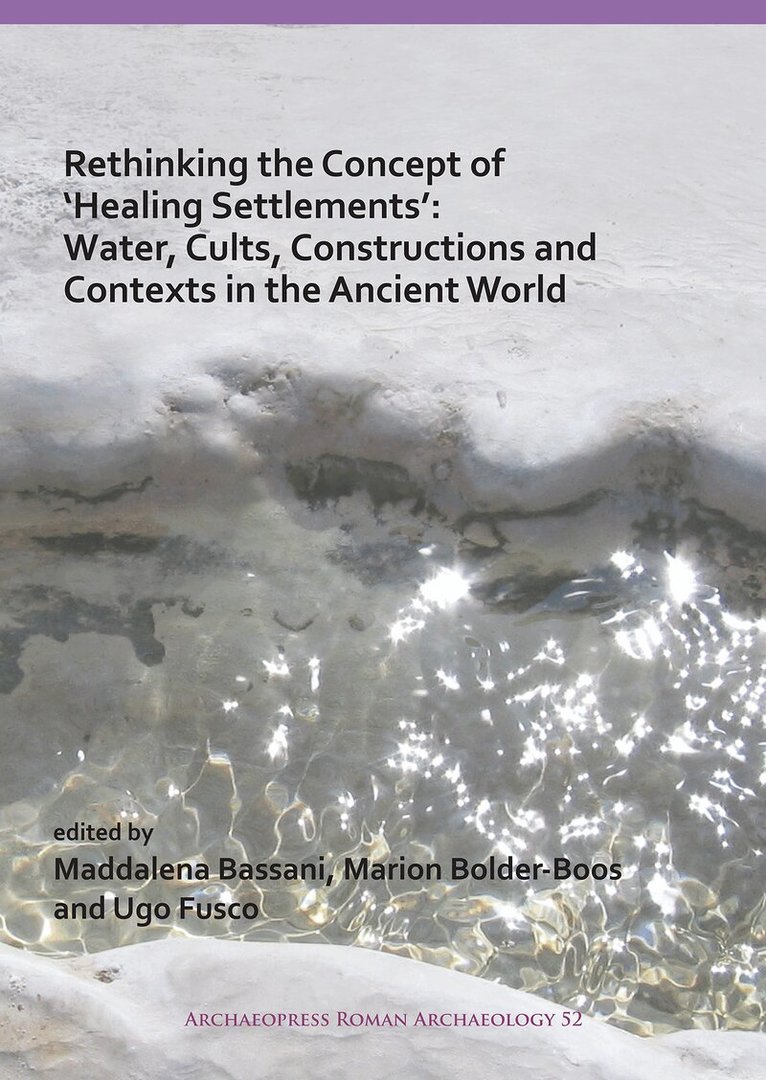
Rethinking the Concept of ‘Healing Settlements’: Water, Cults, Constructions and Contexts in the Ancient World
Av Maddalena Bassani, Marion Bolder-Boos m. fl.
Häftad, 2019
558 kr
Lägg i varukorg
‘Rethinking the Concept of ‘Healing Settlements’: Water, Cults, Constructions and Contexts in the Ancient World’ brings together papers dealing with therapeutic aspects connected to thermomineral sites both in Italy and in the Roman Provinces, as well as cultic issues surrounding health and …
Phönizische Siedlungen Im Zentralen Und Westlichen Mittelmeerraum Von Der Gründung Bis Ins 6. Jh. V. Chr.
Zwischen Levantinischer Tradition Und Indigenem Umfeld
Inbunden, 2026
1831 kr
Kommande
TRAC 2012
Proceedings of the Twenty-Second Annual Theoretical Roman Archaeology Conference, Frankfurt 2012
Av Annabel Bokern, Marion Bolder-Boos m. fl.
Häftad, 2013
675 kr
Tillfälligt slut
The twenty-second Theoretical Roman Archaeology Conference (TRAC) was held at the Goethe-University Frankfurt am Main in spring 2012. During the three-day conference fifty papers were delivered, discussing issues from a wide range of geographical regions of the Roman Empire, and applying various …