Marja Jalava – författare
Visar alla böcker från författaren Marja Jalava. Handla med fri frakt och snabb leverans.
4 produkter
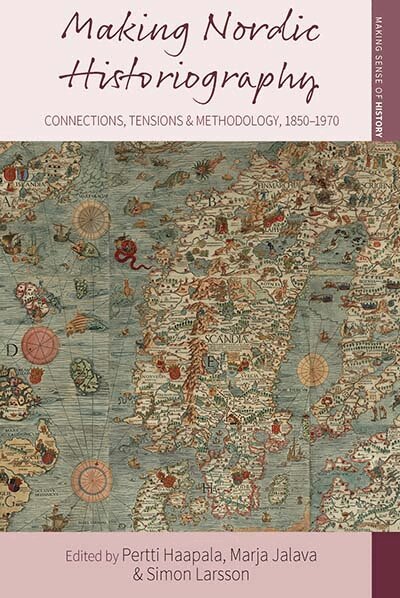
Making Nordic Historiography
Connections, Tensions and Methodology, 1850-1970
Av Pertti Haapala, Marja Jalava m. fl.
Inbunden, 2017
1979 kr
Lägg i varukorg
Is there a “Nordic history”? If so, what are its origins, its scope, and its defining features? In this informative volume, scholars from all five Nordic nations tackle a notoriously problematic historical concept. Whether recounting Foucault’s departure from Sweden or tracing the rise of movements …
Making Nordic Historiography
Connections, Tensions and Methodology, 1850-1970
Av Simon Larsson, Marja Jalava m. fl.
E-bok, 2017
335 kr
Lägg i varukorg
Is there a “Nordic history”? If so, what are its origins, its scope, and its defining features? In this informative volume, scholars from all five Nordic nations tackle a notoriously problematic historical concept. Whether recounting Foucault’s departure from Sweden or tracing the rise of movements …
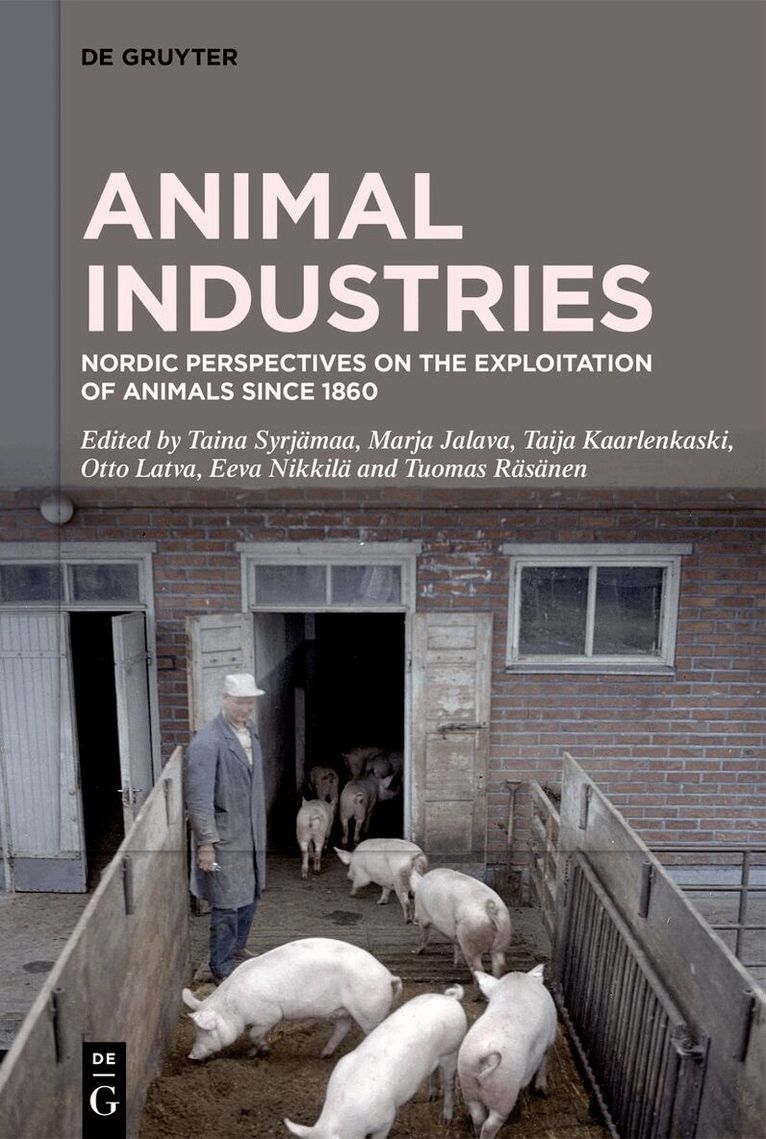
Animal Industries
Nordic Perspectives on the Exploitation of Animals since 1860
Av Taina Syrjämaa, Marja Jalava m. fl.
Inbunden, 2024
1316 kr
Lägg i varukorg
This book examines an extremely topical phenomenon, the massive industrial exploitation of animals, from a previously neglected perspective. It explores the history and development of animal industries in Nordic countries from their establishment in the late nineteenth century to the present day. …
University in the Making of the Welfare State
The 1970s Degree Reform in Finland
Av Marja Jalava
Häftad, 2012
521 kr
Tillfälligt slut
In just a couple of decades, Finland evolved from one of Europe’s lowest educated countries to the top performer of the international PISA ranking. Behind this «success story», there was a conscious strategy to use educational policies for creating a more equal society. Tracing the development of …