Marjorie M. Schweitzer - Böcker
Visar alla böcker från författaren Marjorie M. Schweitzer. Handla med fri frakt och snabb leverans.
4 produkter
4 produkter
875 kr
Skickas inom 10-15 vardagar
During the 1970s, Comparative Cultural Gerontology or the Anthropology of Aging, with its focus on aging from a cross-cultural perspective, attained the status of a new speciality in the field of anthropology. It was only in the late 1960s to the mid-70s that elderly people and the process of aging became recognized as a bona fide research topic for anthropology. Majorie M. Schweitzer's Anthropology of Aging looks at aging from this cross-cultural perspective and updates the Association for Anthropology and Gerontology's previously published Topical Bibliography and the Supplement to the Topical Bibliography on the Anthropology of Aging. Schweitzer focuses on citations that represent anthropological perspectives and/or cross-cultural data, with data from other disciplines included when warranted. Besides a greatly expanded number of bibliographical references, Schweitzer's work includes annotations for particularly important citations including those that address special issues, such as method and theory as they relate to aging, and those that provide the clearest treatment of a particular topic. The topical outline of the 1982 volume has been retained with only minor additions and changes making the Bibliography both easy to use and a rich resource for researchers.Over 40 international scholars in the field of aging have updated the various sections of the original bibliography. Organized according to two kinds of topics: subject topics, such as Modernization; and regional/cultural group topics, such as Great Britain/American Indian, the reference contains 14 chapters that investigate research on the subject from Africa to the Pacific Rim, USSR, USA, Europe, Israel, and more. Beginning with a chapter that zeroes in on general, theoretical, and comparative works, the volume procedes with chapters that examine demography, biology, and longevity, medical aspects of aging, non-industrialized societies, national cultures, modernization, and ethnic/rural segments of the United States. The last six chapters examine social structure; community organization, and age-homogeneous residences; urban aged, social networks, support systems; women; death and dying; and methods. The final chapter contains a list of additional bibliographies. A must for most research libraries, this comprehensive bibliography will be widely used by teachers, students, researchers, social workers, service providers and administrators from many different disciplines.
592 kr
Skickas inom 3-6 vardagar
2 249 kr
Skickas inom 10-15 vardagar
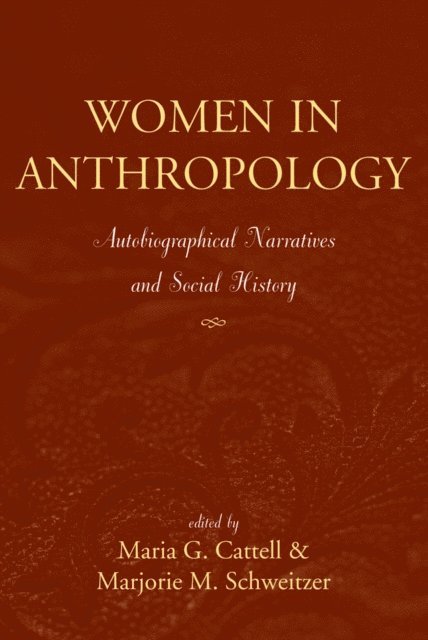
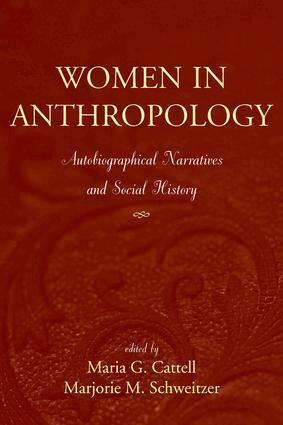
Women in academia have struggled for centuries to establish levels of acceptance and credibility equal to men in the same fields, and anthropology has been no different. The women anthropologists in this book speak frankly about their challenges and successes as they navigated through their personal and professional lives. Riding the changing tides of social and disciplinary history, they struggled through various and sometimes conflicting arenas of life—marriage, raising children, caring for families, publishing, conducting research, going into the field, teaching, and mentoring. They did this during volatile periods in the twentieth century when the roles and expectations for women were being constantly reestablished and repositioned. For anyone interested in the cultural and demographic shifts that are fundamentally altering opportunities for women in the workplace, Women in Anthropology is a thought provoking and inspirational read. For anthropologists, it is an important and intimate portrait of the realities of professional life.
632 kr
Skickas inom 10-15 vardagar
Women in academia have struggled for centuries to establish levels of acceptance and credibility equal to men in the same fields, and anthropology has been no different. The women anthropologists in this book speak frankly about their challenges and successes as they navigated through their personal and professional lives. Riding the changing tides of social and disciplinary history, they struggled through various and sometimes conflicting arenas of life—marriage, raising children, caring for families, publishing, conducting research, going into the field, teaching, and mentoring. They did this during volatile periods in the twentieth century when the roles and expectations for women were being constantly reestablished and repositioned. For anyone interested in the cultural and demographic shifts that are fundamentally altering opportunities for women in the workplace, Women in Anthropology is a thought provoking and inspirational read. For anthropologists, it is an important and intimate portrait of the realities of professional life.