Mark A. Lause – författare
Visar alla böcker från författaren Mark A. Lause. Handla med fri frakt och snabb leverans.
24 produkter
Secret Society History of the Civil War
Inbunden, 2011
496 kr
Lägg i varukorg
This unique history of the Civil War considers the impact of nineteenth-century American secret societies on the path to as well as the course of the war. Beginning with the European secret societies that laid the groundwork for Freemasonry in the United States, Mark A. Lause analyzes how the Old …
Free Labor
The Civil War and the Making of an American Working Class
Inbunden, 2015
1272 kr
Lägg i varukorg
Monumental and revelatory, Free Labor explores labor activism throughout the country during a period of incredible diversity and fluidity: the American Civil War. Mark A. Lause describes how the working class radicalized during the war as a response to economic crisis, the political opportunity …
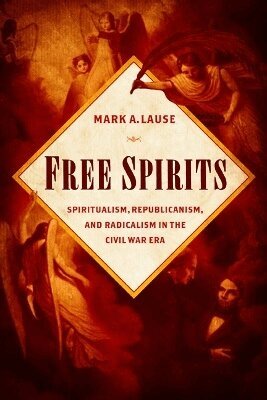
Free Spirits
Spiritualism, Republicanism, and Radicalism in the Civil War Era
Inbunden, 2016
1235 kr
Lägg i varukorg
Often dismissed as a nineteenth-century curiosity, spiritualism influenced the radical social and political movements of its time. Believers filled the ranks of the Free Democrats, agitated for land and monetary reform, fought for abolition, and held egalitarian leanings that found powerful …
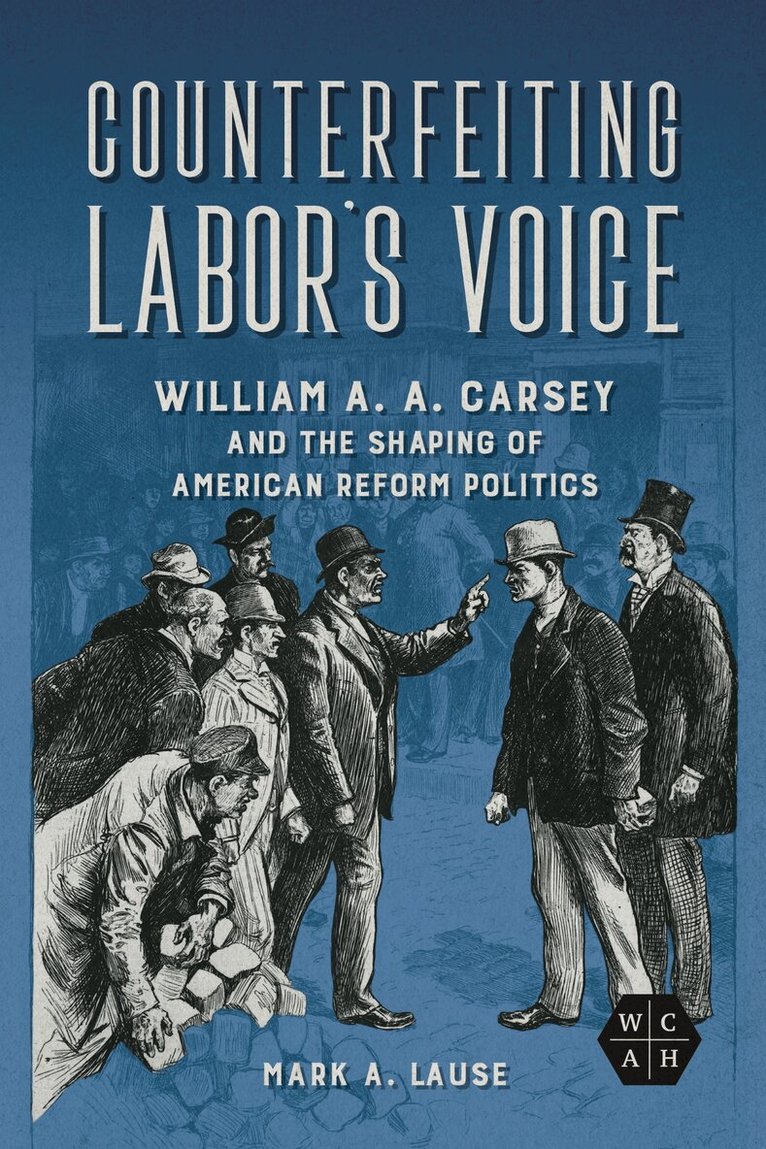
Counterfeiting Labor's Voice
William a. a. Carsey and the Shaping of American Reform Politics
Inbunden, 2024
1311 kr
Lägg i varukorg
Confidence man and canny operative, charlatan and manipulator--William A. A. Carsey emerged from the shadow of Tammany Hall to build a career undermining working-class political organizations on behalf of the Democratic Party. Mark A. Lause’s biography of Carsey takes readers inside the …
Counterfeiting Labor's Voice
William a. a. Carsey and the Shaping of American Reform Politics
E-bok, 2024
603 kr
Lägg i varukorg
Confidence man and canny operative, charlatan and manipulator--William A. A. Carsey emerged from the shadow of Tammany Hall to build a career undermining working-class political organizations on behalf of the Democratic Party. Mark A. Lause’s biography of Carsey takes readers inside the …
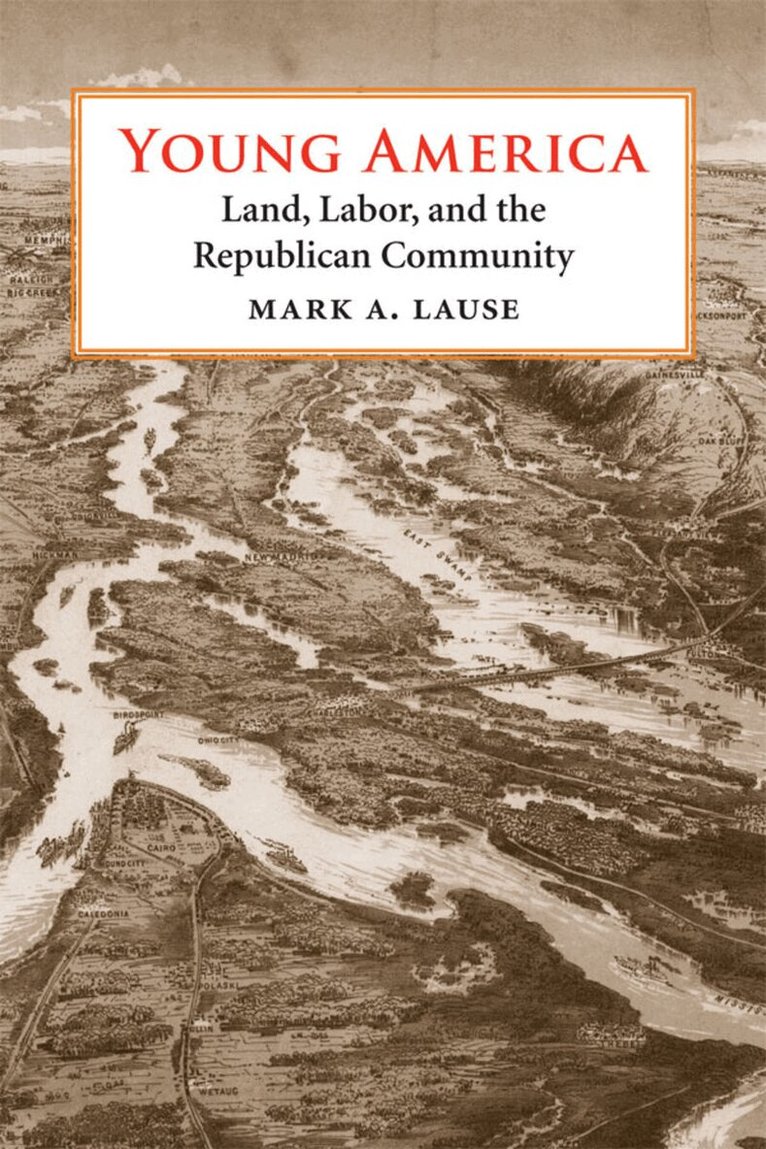
Young America
Land, Labor, and the Republican Community
Häftad, 2005
338 kr
Lägg i varukorg
The National Reform Association (NRA) was an antebellum land reform movement inspired by the shared dream of a future shaped by egalitarian homesteads. Mark A. Lause's Young America argues that it was these working people's interest in equitable access to the country's most obvious …
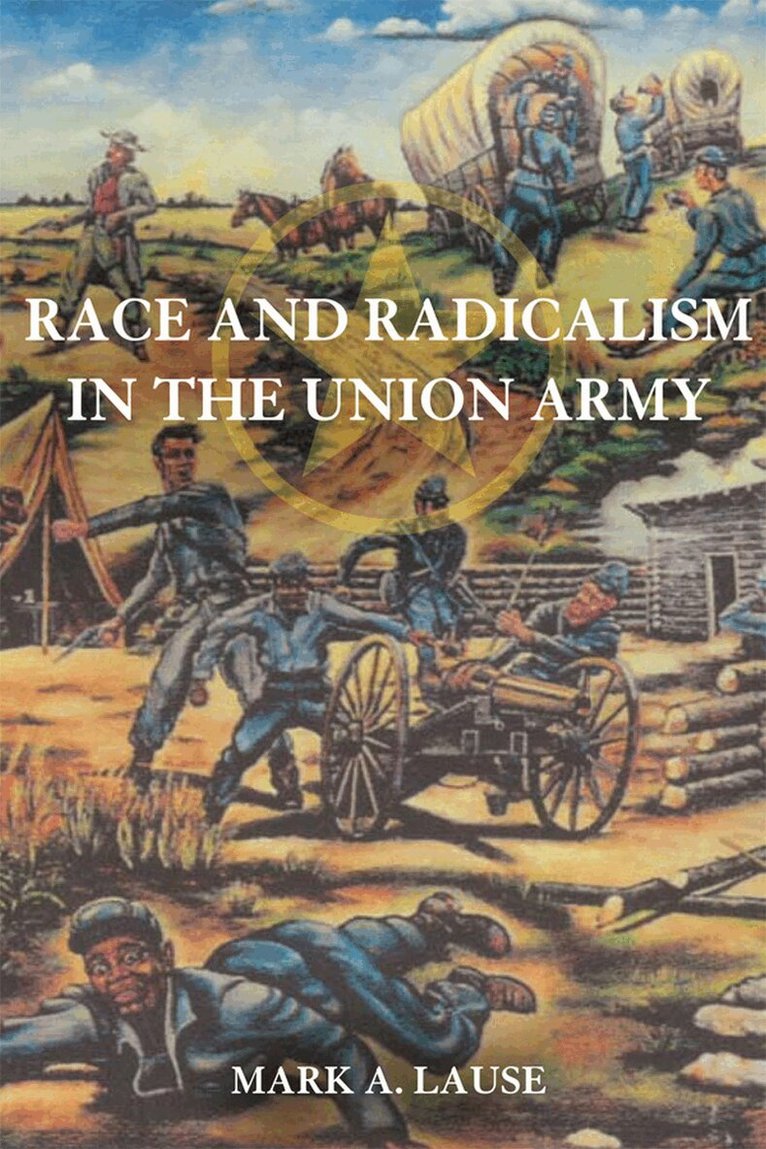
Race and Radicalism in the Union Army
Häftad, 2013
395 kr
Lägg i varukorg
In this compelling portrait of interracial activism, Mark A. Lause documents the efforts of radical followers of John Brown to construct a triracial portion of the Federal Army of the Frontier. Mobilized and inspired by the idea of a Union that would benefit all, black, Indian, and white soldiers …
Secret Society History of the Civil War
Häftad, 2014
366 kr
Lägg i varukorg
This unique history of the Civil War considers the impact of nineteenth-century American secret societies on the path to as well as the course of the war. Beginning with the European secret societies that laid the groundwork for Freemasonry in the United States, Mark A. Lause analyzes how the Old …
Free Labor
The Civil War and the Making of an American Working Class
Häftad, 2015
366 kr
Lägg i varukorg
Monumental and revelatory, Free Labor explores labor activism throughout the country during a period of incredible diversity and fluidity: the American Civil War. Mark A. Lause describes how the working class radicalized during the war as a response to economic crisis, the political opportunity …
Free Spirits
Spiritualism, Republicanism, and Radicalism in the Civil War Era
Häftad, 2016
365 kr
Lägg i varukorg
Often dismissed as a nineteenth-century curiosity, spiritualism influenced the radical social and political movements of its time. Believers filled the ranks of the Free Democrats, agitated for land and monetary reform, fought for abolition, and held egalitarian leanings that found powerful …
Counterfeiting Labor's Voice
William a. a. Carsey and the Shaping of American Reform Politics
Häftad, 2024
378 kr
Lägg i varukorg
Confidence man and canny operative, charlatan and manipulator--William A. A. Carsey emerged from the shadow of Tammany Hall to build a career undermining working-class political organizations on behalf of the Democratic Party. Mark A. Lause’s biography of Carsey takes readers inside the …
Young America
Land, Labor, and the Republican Community
E-bok, 2010
585 kr
Lägg i varukorg
The National Reform Association (NRA) was an antebellum land reform movement inspired by the shared dream of a future shaped by egalitarian homesteads. Mark A. Lause''s Young America argues that it was these working people''s interest in equitable access to the country''s most obvious …
Race and Radicalism in the Union Army
E-bok, 2010
585 kr
Lägg i varukorg
In this compelling portrait of interracial activism, Mark A. Lause documents the efforts of radical followers of John Brown to construct a triracial portion of the Federal Army of the Frontier. Mobilized and inspired by the idea of a Union that would benefit all, black, Indian, and white soldiers …
Secret Society History of the Civil War
E-bok, 2011
585 kr
Lägg i varukorg
This unique history of the Civil War considers the impact of nineteenth-century American secret societies on the path to as well as the course of the war. Beginning with the European secret societies that laid the groundwork for Freemasonry in the United States, Mark A. Lause analyzes how the Old …
Free Labor
The Civil War and the Making of an American Working Class
E-bok, 2015
585 kr
Lägg i varukorg
Monumental and revelatory, Free Labor explores labor activism throughout the country during a period of incredible diversity and fluidity: the American Civil War. Mark A. Lause describes how the working class radicalized during the war as a response to economic crisis, the political opportunity …
Free Spirits
Spiritualism, Republicanism, and Radicalism in the Civil War Era
E-bok, 2016
568 kr
Lägg i varukorg
Often dismissed as a nineteenth-century curiosity, spiritualism influenced the radical social and political movements of its time. Believers filled the ranks of the Free Democrats, agitated for land and monetary reform, fought for abolition, and held egalitarian leanings that found powerful …
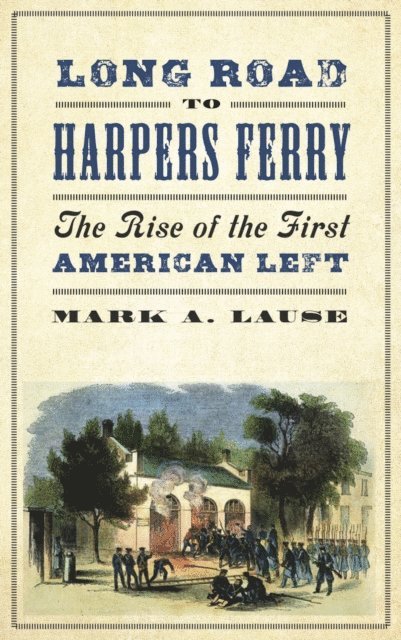
Long Road to Harpers Ferry
The Rise of the First American Left
Häftad, 2018
250 kr
Lägg i varukorg
This is the first comprehensive history of pre-Civil War American radicalism, mapping the journeys of the land reformers, Jacksonian radicals and militant abolitionists on the long road to the failed slave revolt of Harpers Ferry in 1859.This book contains new and fascinating insights into the cast …
Long Road to Harpers Ferry
The Rise of the First American Left
Inbunden, 2018
972 kr
Lägg i varukorg
This is the first comprehensive history of pre-Civil War American radicalism, mapping the journeys of the land reformers, Jacksonian radicals and militant abolitionists on the long road to the failed slave revolt of Harpers Ferry in 1859.This book contains new and fascinating insights into the cast …
Collapse of Price's Raid
The Beginning of the End in Civil War Missouri
Inbunden, 2016
324 kr
Lägg i varukorg
As the Civil War was drawing to a close, former Missouri governor Sterling Price led his army on one last desperate campaign to retake his home state for the Confederacy, part of a broader effort to tilt the upcoming 1864 Union elections against Abraham Lincoln and the Republicans. In The Collapse …
Collapse of Price's Raid
The Beginning of the End in Civil War Missouri
Häftad, 2025
262 kr
Lägg i varukorg
As the Civil War was drawing to a close, former Missouri governor Sterling Price led his army on one last desperate campaign to retake his home state for the Confederacy, part of a broader effort to tilt the upcoming 1864 Union elections against Abraham Lincoln and the Republicans. In The Collapse …
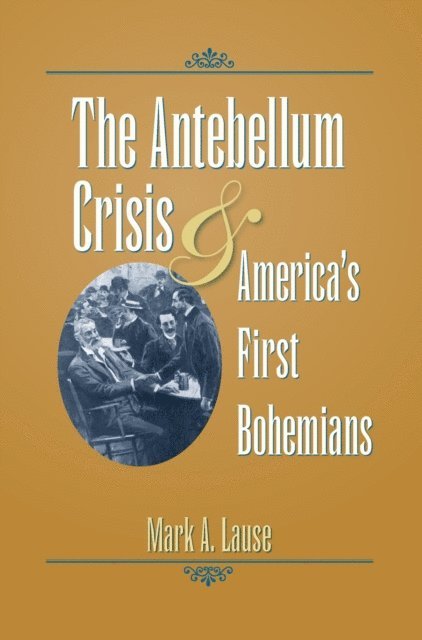
Antebellum Crisis and America's First Bohemians
E-bok, 2010
566 kr
Lägg i varukorg
Cultural politics and American bohemians in pre–Civil War New York Amid the social and political tensions plaguing the United States in the years leading up to the Civil War, the North experienced a boom of cultural activity. Young transient writers, artists, and musicians settled in northern …
Antebellum Crisis and America's First Bohemians
E-bok, 2010
579 kr
Lägg i varukorg
Cultural politics and American bohemians in pre–Civil War New York Amid the social and political tensions plaguing the United States in the years leading up to the Civil War, the North experienced a boom of cultural activity. Young transient writers, artists, and musicians settled in northern …
Long Road to Harpers Ferry
The Rise of the First American Left
E-bok, 2018
56 kr
Lägg i varukorg
This is the first comprehensive history of pre-Civil War American radicalism, mapping the journeys of the land reformers, Jacksonian radicals and militant abolitionists on the long road to the failed slave revolt of Harpers Ferry in 1859. This book contains new and fascinating insights into the …
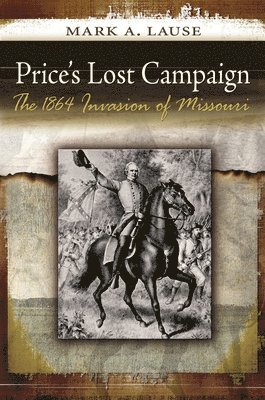
Price's Lost Campaign
The 1864 Invasion of Missouri
Häftad, 2013
271 kr
Tillfälligt slut
In the fall of 1864, during the last brutal months of the Civil War, the Confederates made one final, desperate attempt to rampage through the Shenandoah Valley, Tennessee, and Missouri. Price’s Raid, the last of these attempts, has too long remained unexamined in a book-length modern study, but …