Mark Bernard – författare
1 324 kr
Skickas inom 7-10 vardagar
379 kr
Skickas inom 10-15 vardagar
343 kr
Skickas inom 10-15 vardagar
1 883 kr
Skickas inom 10-15 vardagar
512 kr
Skickas inom 10-15 vardagar
778 kr
Skickas inom 10-15 vardagar
585 kr
Läs direkt efter köp
Despite years of research, debate and changes in mental health policy, there is still a lack of consensus as to what recovery from psychosis actually means, how it should be measured and how it may ultimately be achieved. In Recovering from a First Episode of Psychosis: An Integrated Approach to Early Intervention, it is argued that recovery from a first episode of psychosis (FEP) is comprised of three core elements: symptomatic, social and personal. Moreover, all three types of recovery need to be the target of early intervention for psychosis programmes (EIP) which provide evidence-based, integrated, bio-psychosocial interventions delivered in the context of a value base offering hope, empowerment and a youth-focused approach.Over the 12 chapters in the book, the authors, all experienced clinicians and researchers from multi-professional backgrounds, demonstrate that long-term recovery needs to replace short term remission as the key target of early psychosis services and that, to achieve this, we need a change in the way we deliver EIP: one that takes account of the different stages of psychosis and the ‘bespoke’ targeting of integrated medical, psychological and social treatments during the ‘critical period’. Illustrated with a wealth of clinical examples, this book will be of great interest to clinical psychologists, psychiatrists, psychiatric nurses and other associated mental health professionals.
585 kr
Läs direkt efter köp
Despite years of research, debate and changes in mental health policy, there is still a lack of consensus as to what recovery from psychosis actually means, how it should be measured and how it may ultimately be achieved. In Recovering from a First Episode of Psychosis: An Integrated Approach to Early Intervention, it is argued that recovery from a first episode of psychosis (FEP) is comprised of three core elements: symptomatic, social and personal. Moreover, all three types of recovery need to be the target of early intervention for psychosis programmes (EIP) which provide evidence-based, integrated, bio-psychosocial interventions delivered in the context of a value base offering hope, empowerment and a youth-focused approach.Over the 12 chapters in the book, the authors, all experienced clinicians and researchers from multi-professional backgrounds, demonstrate that long-term recovery needs to replace short term remission as the key target of early psychosis services and that, to achieve this, we need a change in the way we deliver EIP: one that takes account of the different stages of psychosis and the ‘bespoke’ targeting of integrated medical, psychological and social treatments during the ‘critical period’. Illustrated with a wealth of clinical examples, this book will be of great interest to clinical psychologists, psychiatrists, psychiatric nurses and other associated mental health professionals.
390 kr
Läs direkt efter köp
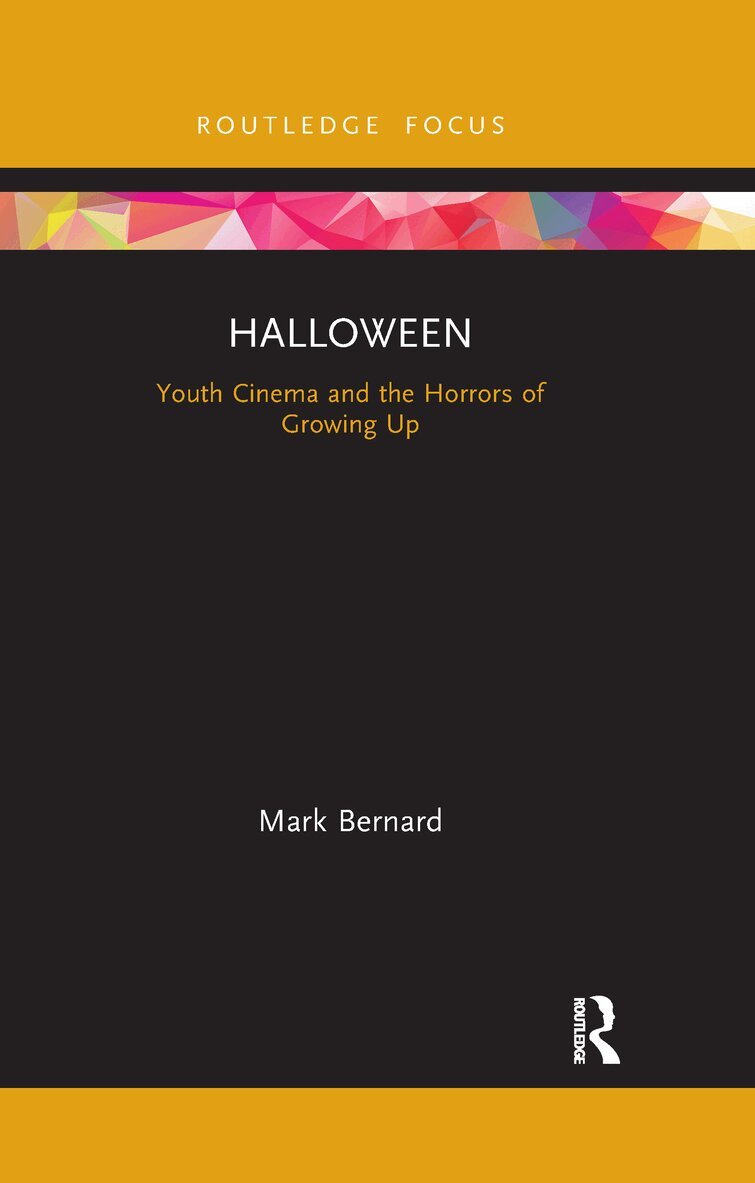
This book argues that Halloween need not be the first nor the most influential youth slasher film for it to hold a special place in the history of youth cinema.
John Carpenter’s 1978 horror hit was once considered the be-all, end-all of teen slasher cinema and was regarded as the first, the best, and the most influential American slasher film. Recent revisions in film history, however, have challenged Halloween’s comfortable place in the canon of youth horror cinema. However, this book argues that the film, like no other, draws from the themes, imagery, and obsessions that fueled youth horror cinema since the 1950s—Gothic atmosphere, atomic dread, twisted psychology, and alienated teenage monsters—and ties them together in the deceptively simple story of a masked killer on Halloween night. Along the way, the film delivers a savage critique of social institutions and their failure to protect young people. Halloween also depicts a cadre of compelling and complicated youth characters: teenage babysitters watching over preadolescents as a killer, who is viciously avoiding the responsibilities of young adulthood, stalks them through the shadows.
This book explores all these aspects of Halloween, including the franchise it spawned, providing an invaluable insight into this iconic film for students and researchers alike.
390 kr
Läs direkt efter köp
This book argues that Halloween need not be the first nor the most influential youth slasher film for it to hold a special place in the history of youth cinema.
John Carpenter’s 1978 horror hit was once considered the be-all, end-all of teen slasher cinema and was regarded as the first, the best, and the most influential American slasher film. Recent revisions in film history, however, have challenged Halloween’s comfortable place in the canon of youth horror cinema. However, this book argues that the film, like no other, draws from the themes, imagery, and obsessions that fueled youth horror cinema since the 1950s—Gothic atmosphere, atomic dread, twisted psychology, and alienated teenage monsters—and ties them together in the deceptively simple story of a masked killer on Halloween night. Along the way, the film delivers a savage critique of social institutions and their failure to protect young people. Halloween also depicts a cadre of compelling and complicated youth characters: teenage babysitters watching over preadolescents as a killer, who is viciously avoiding the responsibilities of young adulthood, stalks them through the shadows.
This book explores all these aspects of Halloween, including the franchise it spawned, providing an invaluable insight into this iconic film for students and researchers alike.
330 kr
Skickas inom 7-10 vardagar