Mark Chirnside - Böcker
Visar alla böcker från författaren Mark Chirnside. Handla med fri frakt och snabb leverans.
10 produkter
10 produkter
266 kr
Skickas
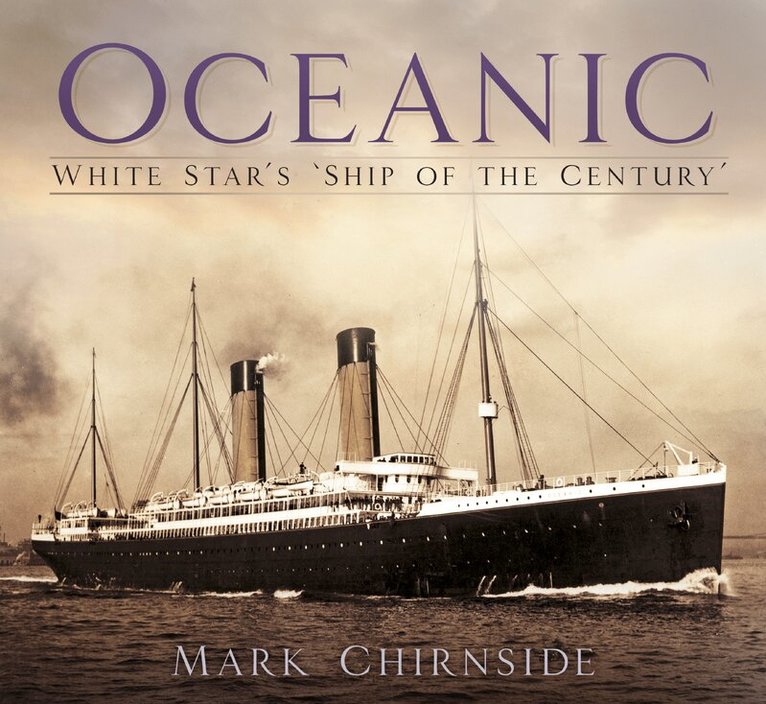
Oceanic was the largest ship in the world when she was launched in 1899. The White Star Line’s ‘Ship of the Century’, she was their last express liner before the Olympic and Titanic and her lavish first-class accommodation became renowned among Atlantic travellers. Serving on the company’s express service for fifteen years, she earned a reputation for running like clockwork. Days after the outbreak of war, she was commissioned into the Royal Navy and converted into an armed merchant cruiser. However, her new-found status was not to last – she grounded on the rocks off Foula, in the Shetlands, within weeks and became a total loss. When she was wrecked, she had on board Charles Lightoller, Titanic’s senior surviving officer. Oceanic: White Star’s ‘Ship of the Century’ is the first book that looks at the entire career of this one-of-a-kind flagship. With human anecdotes, hitherto unpublished material and rare illustrations, Mark Chirnside’s book is a beautiful tribute to a unique ocean liner.
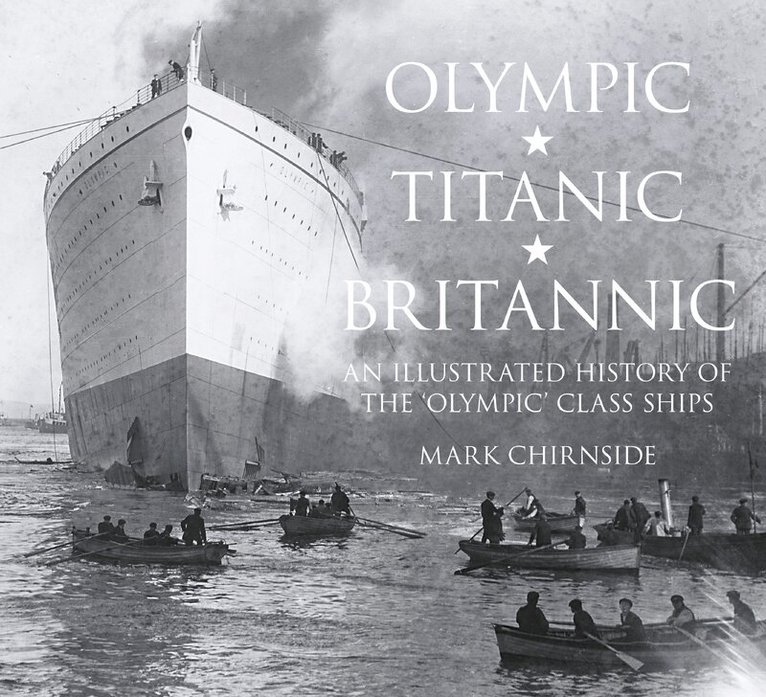
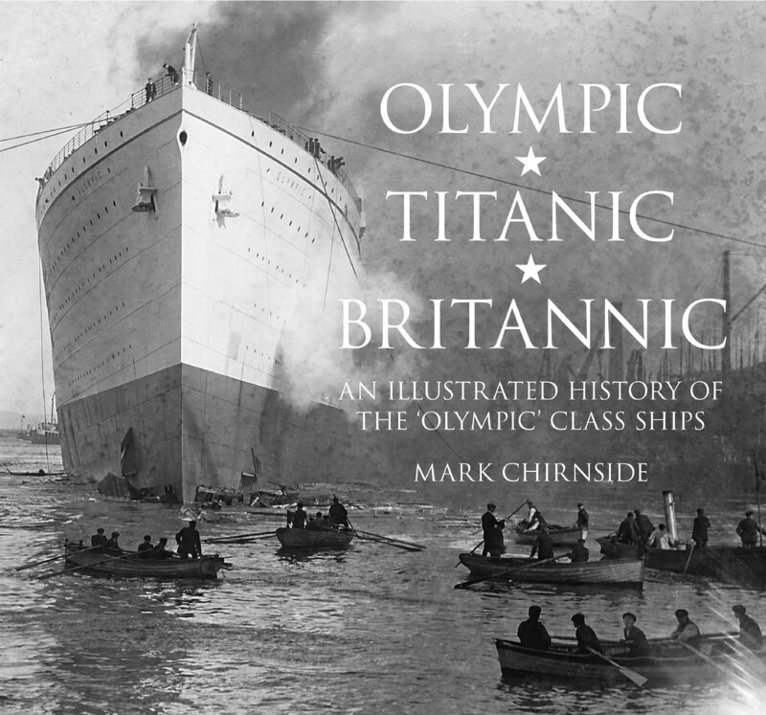
Olympic, Titanic, Britannic
An Illustrated History of the 'Olympic' Class Ships
Häftad, Engelska, 2014
266 kr
Skickas
At the beginning of the twentieth century, competition between the North Atlantic shipping lines was fierce. While Britain responded to the commercial threat posed by the growing German merchant marine, there was also rivalry between the great Cunard Line and its chief competitor, the White Star Line. Against this backdrop Olympic, Titanic and Britannic were conceived.Designed for passenger comfort, they were intended to provide luxurious surroundings and safe, reliable service rather than record-breaking speed. Ironically, fate decreed that only Olympic would ever complete a single commercial voyage and she went on to serve for a quarter of a century in peace and war. Titanic’s name would become infamous after she sank on her maiden voyage. The third sister, Britannic, saw a brief and commendable career as a hospital ship during the First World War, sinking in the Aegean Sea in 1916.
214 kr
Skickas
Report into the Loss of the SS Titanic is a complete re-evaluation of the loss of Titanic based on evidence that has come to light since the discovery of the wreck in 1985.This collective undertaking is compiled by eleven of the world’s foremost Titanic researchers – experts who have spent many years examining the wealth of information that has arisen since 1912. Following the basic layout of the 1912 Wreck Commission Report, this modern report provides fascinating insights into the ship itself, the American and British inquiries, the passengers and crew, the fateful journey and ice warnings received, the damage and sinking, rescue of survivors, the circumstances in connection with the SS Californian and SS Mount Temple, and the aftermath and ramifications that followed the disaster.The book seeks to answer controversial questions, such as whether steerage passengers were detained behind gates, and also reveals the names and aliases of all passengers and crew who sailed on Titanic’s maiden voyage. Containing the most extensively referenced chronology of the voyage ever assembled and featuring a wealth of explanatory charts and diagrams, as well as archive photographs, this comprehensive volume is the definitive ‘go-to’ reference book for this ill-fated ship.
289 kr
Tillfälligt slut
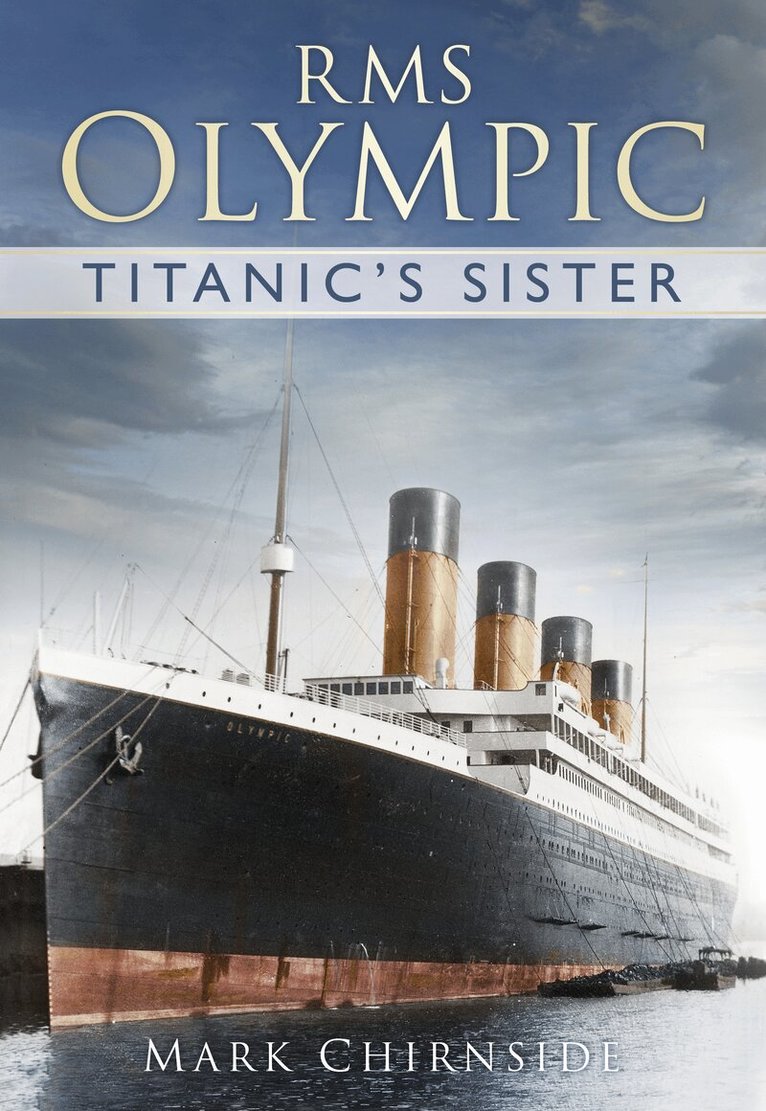
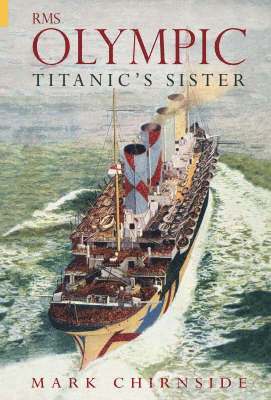
For the first time, this is the definitive story of Titanic's sister, RMS Olympic, the only passenger liner to sink a submarine by ramming, and the ship that was so safe they nicknamed her 'Old Reliable'.
298 kr
Tillfälligt slut
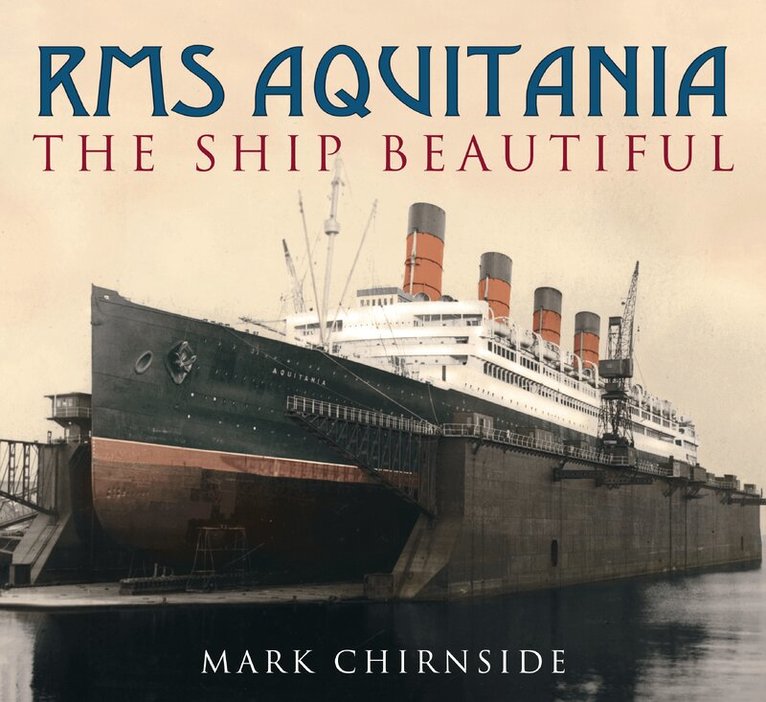
Aquitania entered service two months before the start of World War One and was scrapped six years after World War Two ended. For two wars she spent much time transporting troops but for the rest of her career she travelled the North Atlantic as one of the most famous liners afloat. Holding many records, Aquitania was built for the Cunard Line, not for speed but for luxury, at which she excelled, being called the Ship Beautiful from her entry into service. Mark Chirnside writes with a passion about this most beautiful of ships, a ship that was the epitome of the four-funnelled liner.
Olympic, Titanic, Britannic
An Illustrated History of the 'Olympic' Class Ships
Inbunden, Engelska, 2012
262 kr
Tillfälligt slut
At the beginning of the twentieth century, competition between the North Atlantic shipping lines was fierce. While Britain responded to the commercial threat posed by the growing German merchant marine, there was also rivalry between the great Cunard Line and its chief competitor, the White Star Line. Against this backdrop Olympic, Titanic and Britannic were conceived.Designed for passenger comfort, they were intended to provide luxurious surroundings and safe, reliable service rather than record-breaking speed. Ironically, fate decreed that only Olympic would ever complete a single commercial voyage and she went on to serve for a quarter of a century in peace and war. Titanic’s name would become infamous after she sank on her maiden voyage. The third sister, Britannic, saw a brief and commendable career as a hospital ship during the First World War, sinking in the Aegean Sea in 1916.
368 kr
Tillfälligt slut
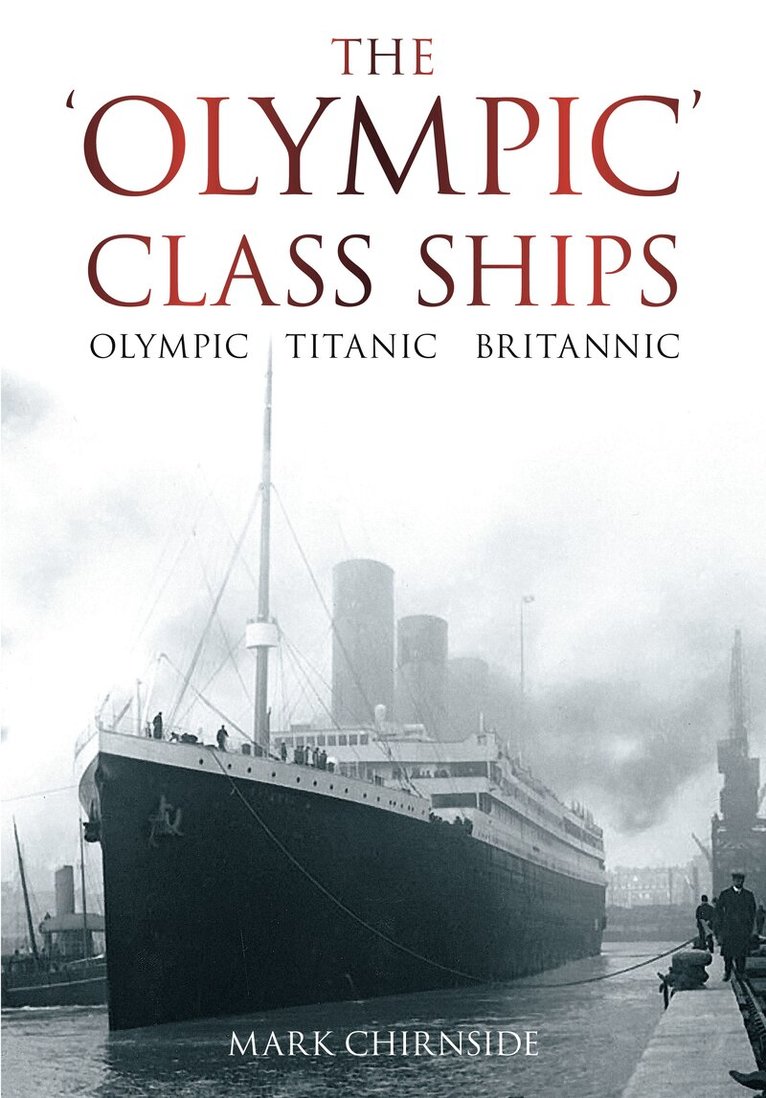
The intensifying competition on the North Atlantic in the early years of the twentieth century led the White Star Line to order three huge liners. While their British rival, the Cunard Line, focused on speed, White Star concentrated on size and luxury. Orders were placed for Olympic and Titanic to be built at Harland & Wolff ’s yard in Belfast, while the third sister ship, Britannic, would follow at a later date. Each ship was subtly different. Lessons learned from the service of Olympic were put into practice for Titanic, as other shipping lines immediately began to plan their response. Following Titanic’s loss on her maiden voyage, radical improvements were made to the third sister ship, improving the watertight subdivision. These changes, however, did not prevent Britannic sinking in less than an hour in the Aegean in 1916, while serving as a hospital ship for the war effort. Illustrated with many rare images of all three ships, including a brand new colour section, this revised and expanded edition brings the story up to date, providing a comprehensive history in one volume.
370 kr
Skickas
Launched as the pride of British shipbuilding and the largest vessel in the world, Olympic was more than 40 per cent larger than her nearest rivals: almost 900ft long and the first ship to exceed 40,000 tons. She was built for comfort rather than speed and equipped with an array of facilities, including Turkish and electric baths (one of the first ships to have them), a swimming pool, gymnasium, squash court, á la carte restaurant, large first-class staterooms and plush public rooms. Surviving from 1911 until 1935, she was a firm favourite with the travelling public – carrying hundreds of thousands of fare-paying passengers – and retained a style and opulence even into her twilight years. During the First World War, she carried more troops than any other comparable steamship and was the only passenger liner ever to sink an enemy submarine by ramming it. Overshadowed frequently by her sister ships Titanic and Britannic, Olympic’s history deserves more attention than it has received. She was evolutionary in design rather than revolutionary, but marked an ambition for the White Star Line to dominate the North Atlantic express route. Rivals immediately began trying to match her in size and luxury. The optimism that led to her conception was rewarded, whereas her doomed sisters never fulfilled their creators’ dreams. This revised and expanded edition of the critically acclaimed RMS Olympic: Titanic’s Sister uses new images and further original research to tell the story of this remarkable ship 80 years after her career ended.
331 kr
Skickas inom 7-10 vardagar
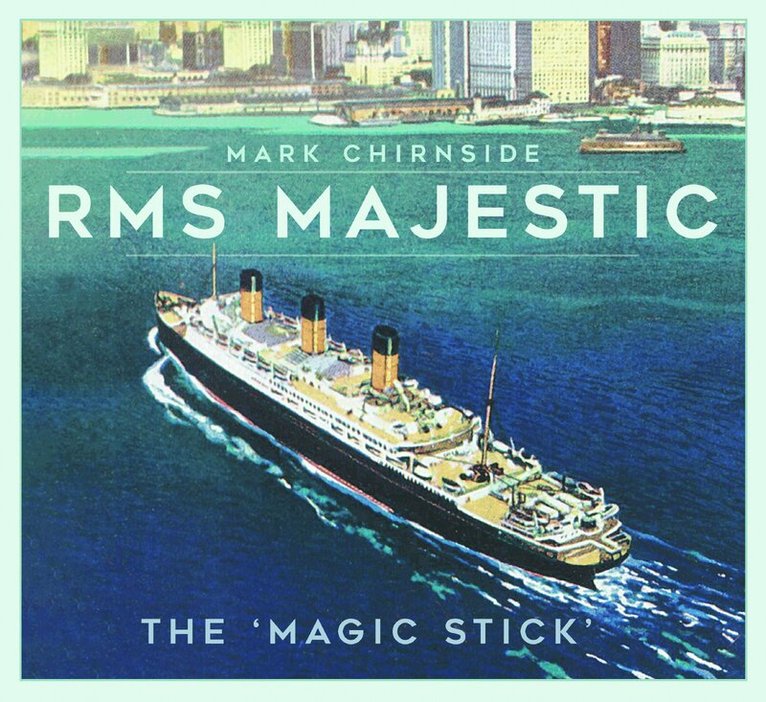
RMS Majestic’s history was shaped by war. Built in Germany for Albert Ballin’s HAPAG, she was launched just before the start of the First World War as Bismarck. Following Germany’s defeat, she was allocated to the United Kingdom and purchased by the White Star Line from the British government. Renamed Majestic, she earned the affectionate nickname ‘The Magic Stick’ during the Roaring Twenties, when she was the largest and one of the most popular liners in the world. The merger of the Cunard and White Star Lines and the Depression of the Thirties led to her withdrawal from service after only fourteen years, after which the British government acquired her as a naval training ship. She became Caledonia and served until fire consumed her in September 1939.RMS Majestic: The ‘Magic Stick’ was the first book devoted to her history. This revised and expanded edition is a lavish illustration of her life and times, showcasing many rare or previously unpublished images and new material, all put together by one of maritime history’s most celebrated historians.
525 kr
Skickas
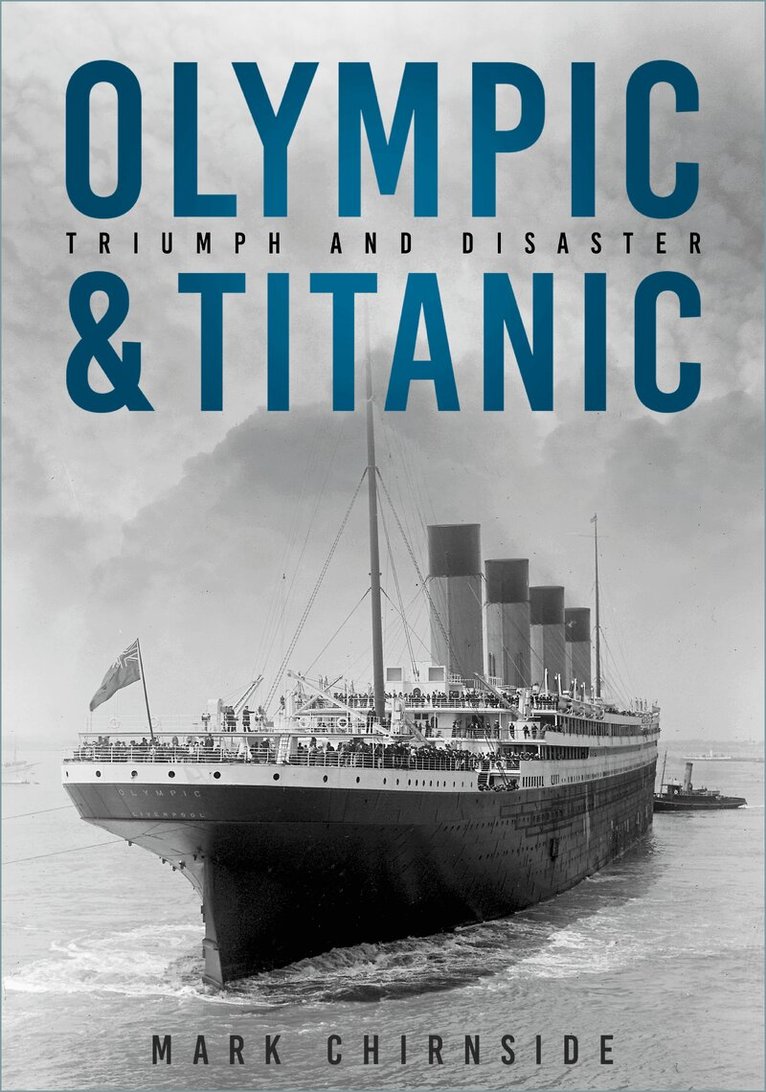
‘This intriguing book delves into the history of these two Olympic class ships. It matches the origins of their ancient Greek namesakes … the Titans & Olympian Gods.’ – Steve Hall, Titanic historian and co-author of RMS Titanic in 50 ObjectsIt is impossible to understand Titanic without appreciating the broader context: the development of the White Star Line and its competitors in the preceding decades; Anglo-German competition; the British fear of the ‘American peril’ as foreign capital increasingly controlled British shipping companies; and the relentless advance in shipbuilding and technology.This definitive volume explores the lead-up to the construction of Olympic and Titanic, providing a step-by-step account of the design process and a look at the financial, logistical and political obstacles the White Star Line had to tackle; the ups and downs of Olympic’s maiden season; and Titanic’s disastrous end.Relying on extensive primary-source research and presenting much unpublished data, Olympic & Titanic: Triumph and Disaster is not only a valuable reference tool, but provides an essential insight into this period of maritime history.