Mark Donovan – författare
Visar alla böcker från författaren Mark Donovan. Handla med fri frakt och snabb leverans.
7 produkter
Writing National Histories
Western Europe Since 1800
Av Stefan Berger, Mark Donovan m. fl.
Inbunden, 1998
2586 kr
Lägg i varukorg
This book examines comparatively how the writing of history by individuals and groups, historians, politicians and journalists has been used to "legitimate" the nation-state agianst socialist, communist and catholic internationalism in the modern era. Covering the whole of Western Europe, the book …
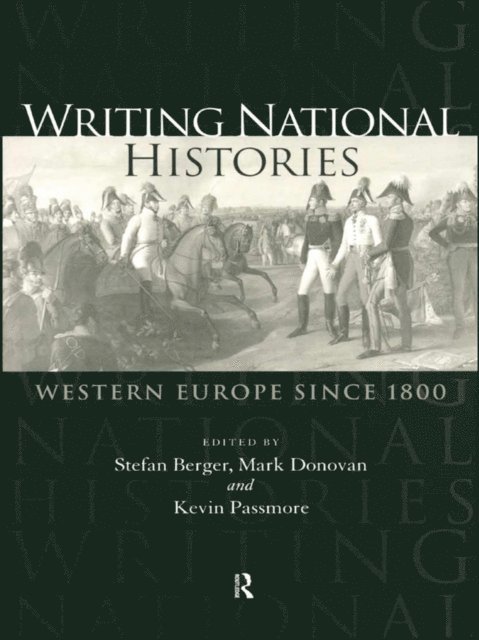
Writing National Histories
Western Europe Since 1800
Av Stefan Berger, Mark Donovan m. fl.
Häftad, 1998
757 kr
Lägg i varukorg
This book examines comparatively how the writing of history by individuals and groups, historians, politicians and journalists has been used to "legitimate" the nation-state agianst socialist, communist and catholic internationalism in the modern era. Covering the whole of Western Europe, the book …
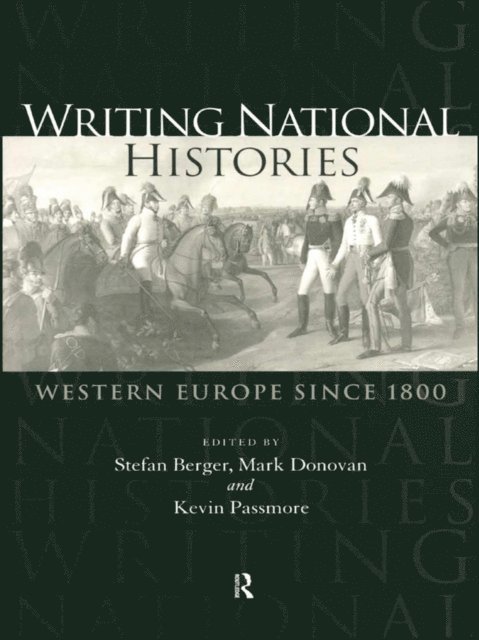
Writing National Histories
Western Europe Since 1800
Av Kevin Passmore, Mark Donovan m. fl.
E-bok, 2002
873 kr
Lägg i varukorg
This book examines comparatively how the writing of history by individuals and groups, historians, politicians and journalists has been used to "legitimate" the nation-state agianst socialist, communist and catholic internationalism in the modern era. Covering the whole of Western Europe, the book …
Writing National Histories
Western Europe Since 1800
Av Kevin Passmore, Mark Donovan m. fl.
E-bok, 2002
892 kr
Lägg i varukorg
This book examines comparatively how the writing of history by individuals and groups, historians, politicians and journalists has been used to "legitimate" the nation-state agianst socialist, communist and catholic internationalism in the modern era. Covering the whole of Western Europe, the book …
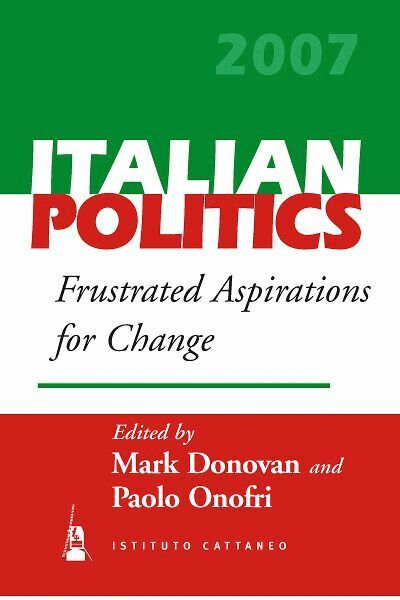
Frustrated Aspirations for Change
Häftad, 2009
894 kr
Lägg i varukorg
Uncertainty about the future of the government and strong anti-political sentiment dominated Italian politics in 2007. Following a government crisis in February, rooted in the question of Italy’s role in Afghanistan, Prime Minister Romano Prodi was able to re-establish his coalition, but in the …