Mark E. Byrnes – författare
Visar alla böcker från författaren Mark E. Byrnes. Handla med fri frakt och snabb leverans.
10 produkter
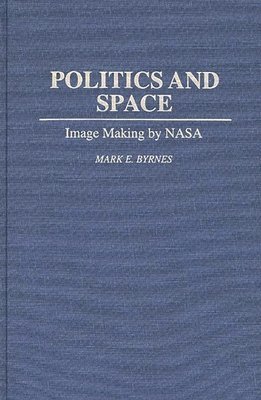
Politics and Space
Image Making by NASA
Inbunden, 1994
1063 kr
Lägg i varukorg
Government agencies have tended to attempt to project favorable public images of themselves as a method of building the public support they need to survive, all the more so in times of increasingly sophisticated communications and decreasingly available financial resources. This study analyzes …
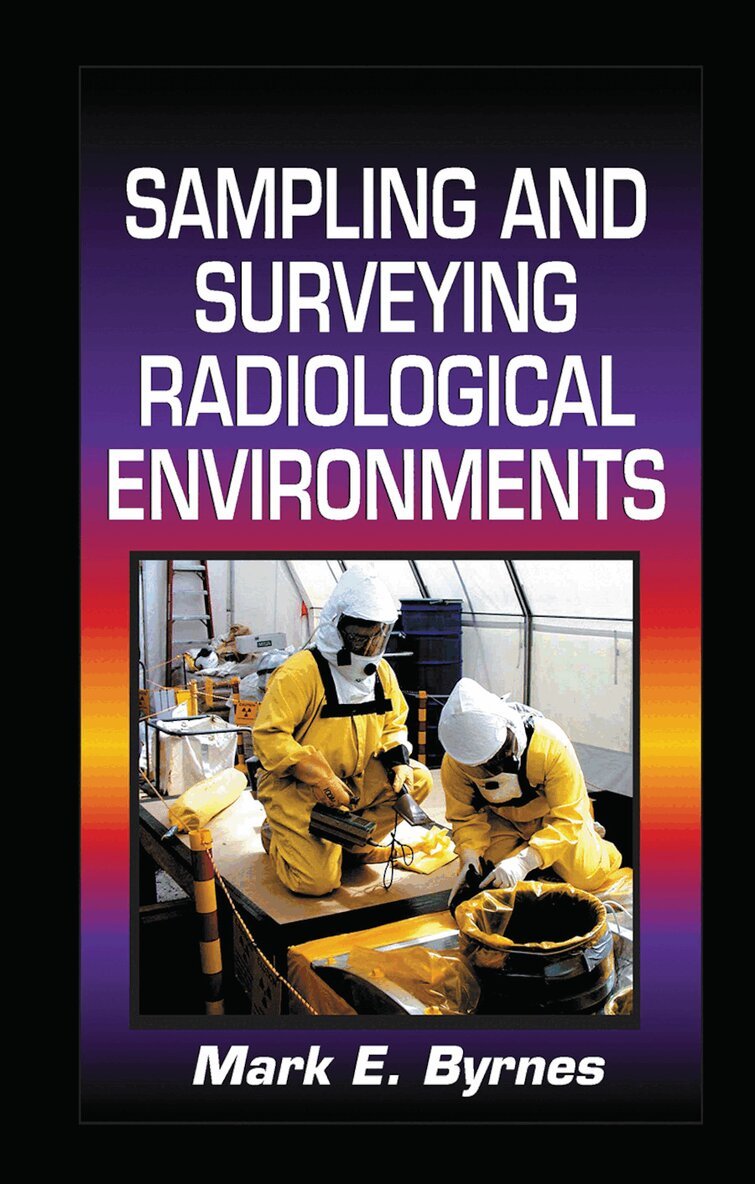
Sampling and Surveying Radiological Environments
Häftad, 2019
1023 kr
Lägg i varukorg
Private landowners or Federal Agencies responsible for cleaning up radiological environments are faced with the challenge of clearly defining the nature and extent of radiological contamination, implementing remedial alternatives, then statistically verifying that cleanup objectives have been met. …
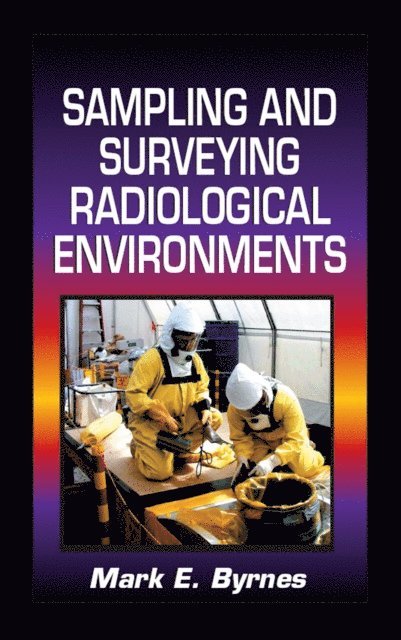
Sampling and Surveying Radiological Environments
E-bok, 2000
1186 kr
Lägg i varukorg
Private landowners or Federal Agencies responsible for cleaning up radiological environments are faced with the challenge of clearly defining the nature and extent of radiological contamination, implementing remedial alternatives, then statistically verifying that cleanup objectives have been met. …
Nuclear, Chemical, and Biological Terrorism
Emergency Response and Public Protection
Av Jr. Philip M. Tierno, David A. King m. fl.
E-bok, 2003
3236 kr
Lägg i varukorg
This book provides guidance on measures that should be considered to protect human lives from terrorist activities involving nuclear, chemical, and biological weapons. It provides a historical summary of the development and use of these weapons, and continues with a detailed discussion of the types …
Nuclear, Chemical, and Biological Terrorism
Emergency Response and Public Protection
Av Jr. Philip M. Tierno, David A. King m. fl.
E-bok, 2003
3342 kr
Lägg i varukorg
This book provides guidance on measures that should be considered to protect human lives from terrorist activities involving nuclear, chemical, and biological weapons. It provides a historical summary of the development and use of these weapons, and continues with a detailed discussion of the types …
Sampling and Surveying Radiological Environments
E-bok, 2000
1212 kr
Lägg i varukorg
Private landowners or Federal Agencies responsible for cleaning up radiological environments are faced with the challenge of clearly defining the nature and extent of radiological contamination, implementing remedial alternatives, then statistically verifying that cleanup objectives have been met. …
Sampling and Surveying Radiological Environments
Inbunden, 2000
4217 kr
Lägg i varukorg
Private landowners or Federal Agencies responsible for cleaning up radiological environments are faced with the challenge of clearly defining the nature and extent of radiological contamination, implementing remedial alternatives, then statistically verifying that cleanup objectives have been met. …
Nuclear, Chemical, and Biological Terrorism
Emergency Response and Public Protection
Av Mark E. Byrnes, David A. King m. fl.
Inbunden, 2003
3147 kr
Lägg i varukorg
This book provides guidance on measures that should be considered to protect human lives from terrorist activities involving nuclear, chemical, and biological weapons. It provides a historical summary of the development and use of these weapons, and continues with a detailed discussion of the types …
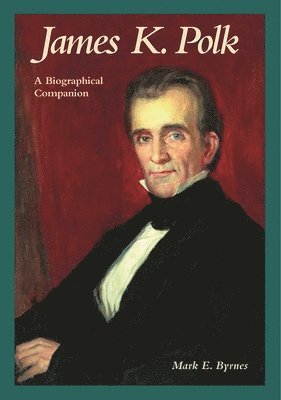
James K. Polk
A Biographical Companion
Inbunden, 2001
830 kr
Lägg i varukorg
This A–Z encyclopedia provides a detailed overview of America's 11th president and connects Polk's public and personal life to his historical significance.In 1844, James K. Polk was not a promising presidential nominee—he was not popular, charismatic, or even well known. But by the time he left …
James K. Polk
A Biographical Companion
E-bok, 2001
910 kr
Lägg i varukorg
This A–Z encyclopedia provides a detailed overview of America's 11th president and connects Polk's public and personal life to his historical significance. In 1844, James K. Polk was not a promising presidential nominee—he was not popular, charismatic, or even well known. But by the time he left …