Mark Ensalaco – författare
Visar alla böcker från författaren Mark Ensalaco. Handla med fri frakt och snabb leverans.
7 produkter
7 produkter
Häftad, Engelska, 2005
695 kr
Skickas inom 10-15 vardagar
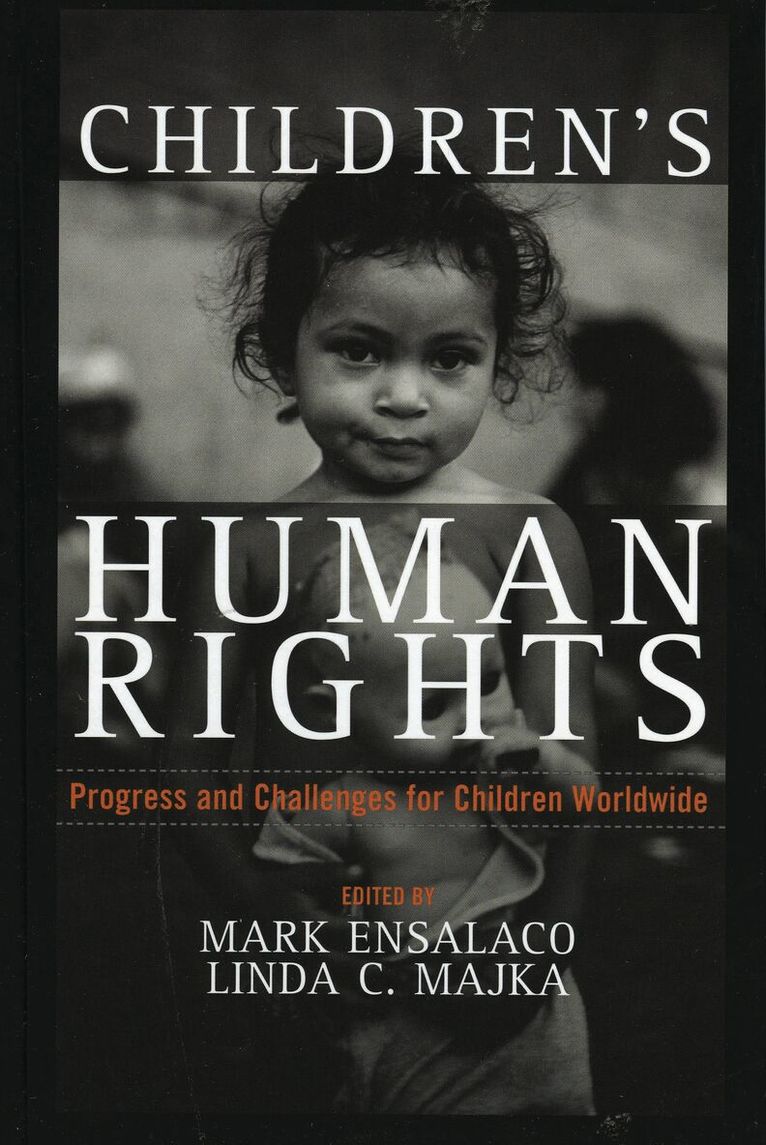
Children's human rights are regularly violated around the world. We hear about graphic examples including child soldiers, child prostitutes, and children sold into slavery, but hungry, sick, and orphaned children are equally at risk and more prevalent. In the United States, children suffer similar abuses, but some are unique to the U.S. justice system. Unlike most of the rest of the world, the U.S. is a well-developed western nation in which juvenile offenders can be tried as adults and sentenced to death. This book brings together a wide array of original essays from a variety of academic and practitioner perspectives on human rights and the status of children. The details are disturbing; the message, powerful: We must vigorously extend the Universal Declaration of Human Rights to the most vulnerable humans of all—the children of the world, starting at home in the United States.
E-bok
Engelska, 2005672 kr
Läs direkt efter köp
Children''s human rights are regularly violated around the world. We hear about graphic examples including child soldiers, child prostitutes, and children sold into slavery, but hungry, sick, and orphaned children are equally at risk and more prevalent. In the United States, children suffer similar abuses, but some are unique to the U.S. justice system. Unlike most of the rest of the world, the U.S. is a well-developed western nation in which juvenile offenders can be tried as adults and sentenced to death. This book brings together a wide array of original essays from a variety of academic and practitioner perspectives on human rights and the status of children. The details are disturbing; the message, powerful: We must vigorously extend the Universal Declaration of Human Rights to the most vulnerable humans of all-the children of the world, starting at home in the United States.
E-bok
PDF, Engelska, 2010471 kr
Läs direkt efter köp
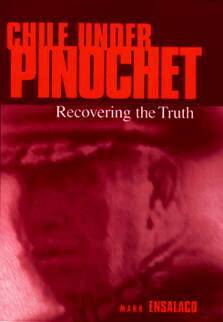
"When the army comes out, it is to kill."-Augusto PinochetFollowing his bloody September 1973 coup d'État that overthrew President Salvador Allende, Augusto Pinochet, commander-in-chief of the Chilean Armed Forces and National Police, became head of a military junta that would rule Chile for the next seventeen years. The violent repression used by the Pinochet regime to maintain power and transform the country's political profile and economic system has received less attention than the Argentine military dictatorship, even though the Pinochet regime endured twice as long.In this primary study of Chile Under Pinochet, Mark Ensalaco maintains that Pinochet was complicit in the "enforced disappearance" of thousands of Chileans and an unknown number of foreign nationals. Ensalaco spent five years in Chile investigating the impact of Pinochet's rule and interviewing members of the truth commission created to investigate the human rights violations under Pinochet. The political objective of human rights organizations, Ensalaco contends, is to bring sufficient pressure to bear on violent regimes to induce them to end policies of repression. However, these efforts are severely limited by the disparities of power between human rights organizations and regimes intent on ruthlessly eliminating dissent.
E-bok
Engelska, 2012550 kr
Läs direkt efter köp
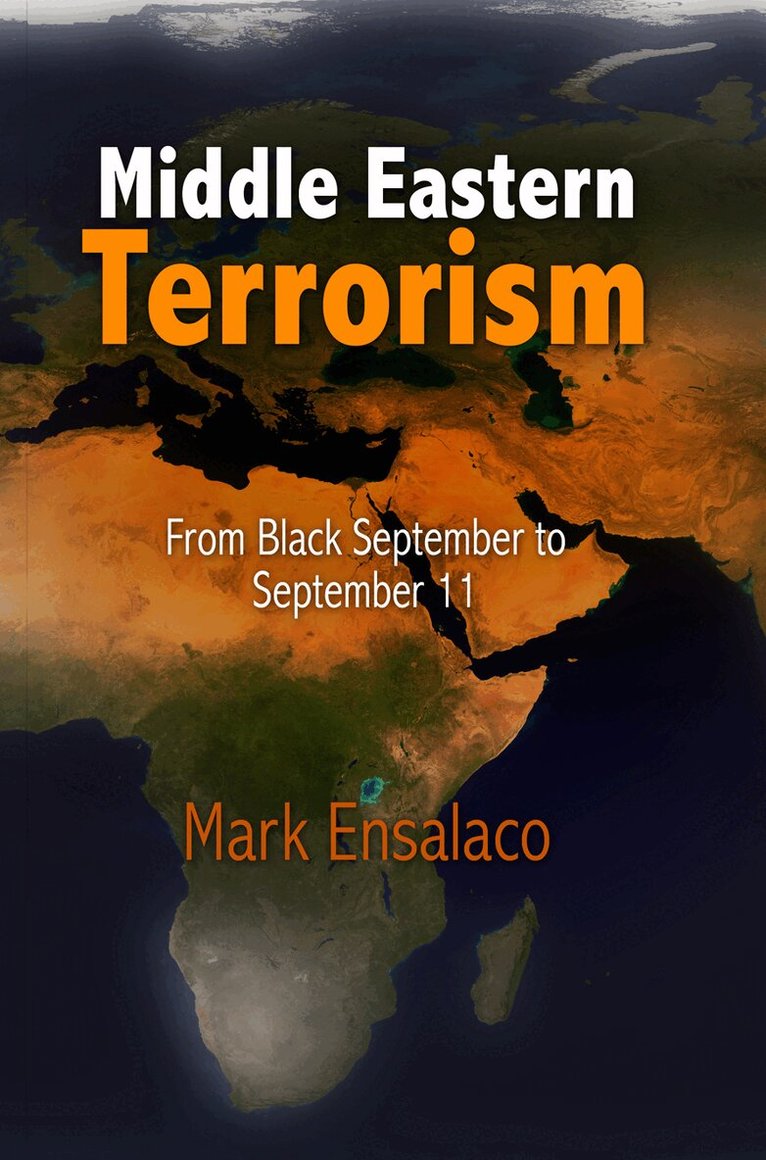
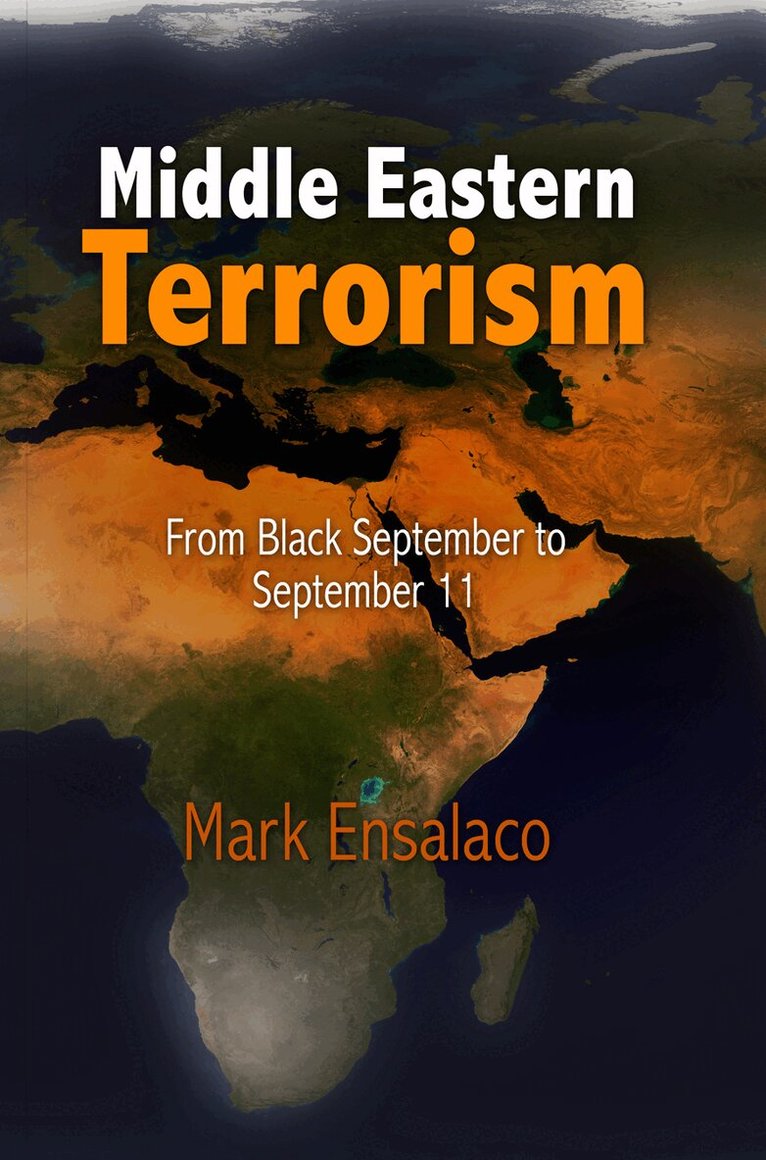
Selected by Choice magazine as an Outstanding Academic TitleSince the first airplane hijacking by the Popular Front for the Liberation of Palestine in September 1970, Middle Eastern terrorists have sacrificed innocent human lives in the name of ideology. From Black September to the Munich Olympics, to the embassy bombing in Beirut, to the devastating attacks of September 11 and beyond, terrorism has emerged as the most important security concern of our time."Where did this come from?" Inspired by a student's question on the morning of September 11, 2001, Mark Ensalaco has written a thoroughly researched narrative account of the origins of Middle Eastern terrorism, addressing when and why terrorists started targeting Americans and American interests and what led to the September 11 attacks.Ensalaco reveals the changing of motivations from secular Palestinian nationalism to militant Islam and demonstrates how competition among terrorists for resources and notoriety has driven them to increasingly extreme tactics. As he argues, terrorist attacks grew from spectacle to atrocity. Drawing on popular works and scholarly sources, Middle Eastern Terrorism tells this story in rich detail and with great clarity and insight.
Häftad, Engelska, 2010
390 kr
Skickas inom 10-15 vardagar
Selected by Choice magazine as an Outstanding Academic TitleSince the first airplane hijacking by the Popular Front for the Liberation of Palestine in September 1970, Middle Eastern terrorists have sacrificed innocent human lives in the name of ideology. From Black September to the Munich Olympics, to the embassy bombing in Beirut, to the devastating attacks of September 11 and beyond, terrorism has emerged as the most important security concern of our time."Where did this come from?" Inspired by a student's question on the morning of September 11, 2001, Mark Ensalaco has written a thoroughly researched narrative account of the origins of Middle Eastern terrorism, addressing when and why terrorists started targeting Americans and American interests and what led to the September 11 attacks.Ensalaco reveals the changing of motivations from secular Palestinian nationalism to militant Islam and demonstrates how competition among terrorists for resources and notoriety has driven them to increasingly extreme tactics. As he argues, terrorist attacks grew from spectacle to atrocity. Drawing on popular works and scholarly sources, Middle Eastern Terrorism tells this story in rich detail and with great clarity and insight.
Inbunden, Engelska, 1999
846 kr
Skickas inom 5-8 vardagar
"When the army comes out, it is to kill."-Augusto PinochetFollowing his bloody September 1973 coup d'État that overthrew President Salvador Allende, Augusto Pinochet, commander-in-chief of the Chilean Armed Forces and National Police, became head of a military junta that would rule Chile for the next seventeen years. The violent repression used by the Pinochet regime to maintain power and transform the country's political profile and economic system has received less attention than the Argentine military dictatorship, even though the Pinochet regime endured twice as long.In this primary study of Chile Under Pinochet, Mark Ensalaco maintains that Pinochet was complicit in the "enforced disappearance" of thousands of Chileans and an unknown number of foreign nationals. Ensalaco spent five years in Chile investigating the impact of Pinochet's rule and interviewing members of the truth commission created to investigate the human rights violations under Pinochet. The political objective of human rights organizations, Ensalaco contends, is to bring sufficient pressure to bear on violent regimes to induce them to end policies of repression. However, these efforts are severely limited by the disparities of power between human rights organizations and regimes intent on ruthlessly eliminating dissent.
Häftad, Engelska, 2025
305 kr
Skickas
"When the army comes out, it is to kill."-Augusto PinochetFollowing his bloody September 1973 coup d'État that overthrew President Salvador Allende, Augusto Pinochet, commander-in-chief of the Chilean Armed Forces and National Police, became head of a military junta that would rule Chile for the next seventeen years. The violent repression used by the Pinochet regime to maintain power and transform the country's political profile and economic system has received less attention than the Argentine military dictatorship, even though the Pinochet regime endured twice as long.In this primary study of Chile Under Pinochet, Mark Ensalaco maintains that Pinochet was complicit in the "enforced disappearance" of thousands of Chileans and an unknown number of foreign nationals. Ensalaco spent five years in Chile investigating the impact of Pinochet's rule and interviewing members of the truth commission created to investigate the human rights violations under Pinochet. The political objective of human rights organizations, Ensalaco contends, is to bring sufficient pressure to bear on violent regimes to induce them to end policies of repression. However, these efforts are severely limited by the disparities of power between human rights organizations and regimes intent on ruthlessly eliminating dissent.