Mark Heerink – författare
Visar alla böcker från författaren Mark Heerink. Handla med fri frakt och snabb leverans.
4 produkter
4 produkter
Inbunden, Engelska, 2015
832 kr
Skickas inom 10-15 vardagar
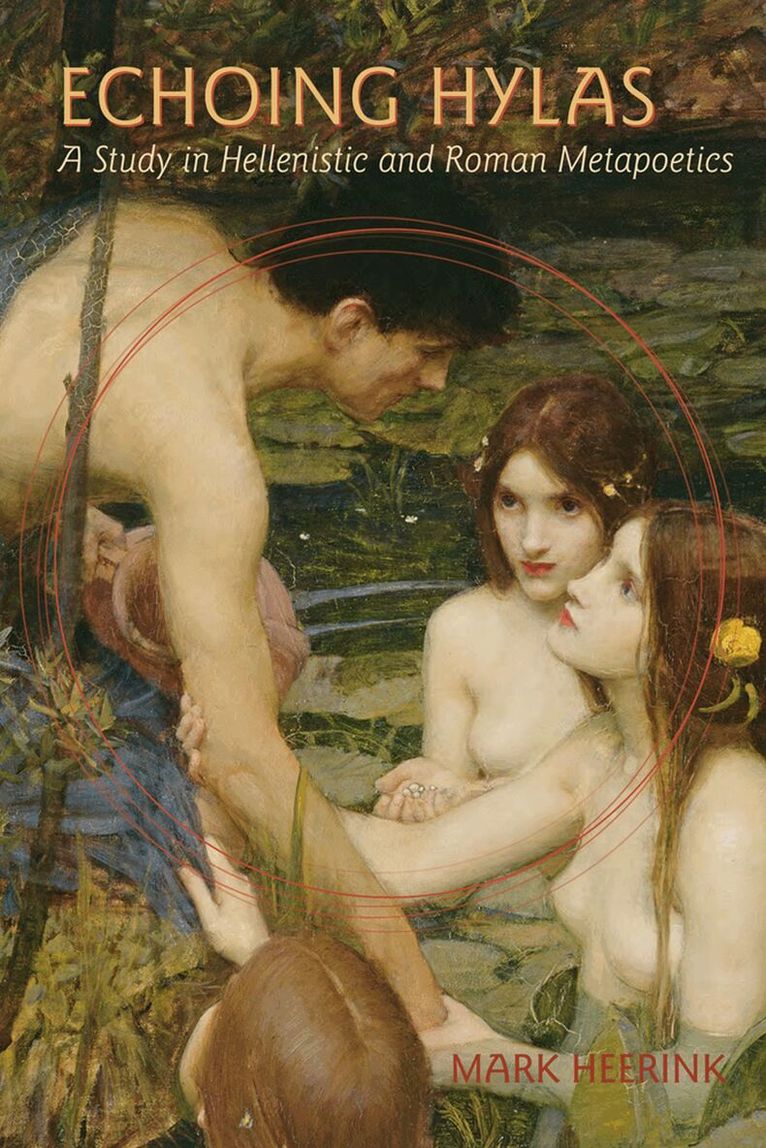
During a stopover of the Argo in Mysia, the boy Hylas sets out to fetch water for his companion Hercules. Wandering into the woods, he arrives at a secluded spring, inhabited by nymphs who fall in love with him and pull him into the water. Mad with worry, Hercules stays in Mysia to look for the boy, but he will never find him again . . .In Echoing Hylas, Mark Heerink argues that the story of Hylas—a famous episode of the Argonauts’ voyage—was used by poets throughout classical antiquity to reflect symbolically on the position of their poetry in the literary tradition. Certain elements of the story, including the characters of Hylas and Hercules themselves, functioned as metaphors of the art of poetry. In the Hellenistic age, for example, the poet Theocritus employed Hylas as an emblem of his innovative bucolic verse, contrasting the boy with Hercules, who symbolized an older, heroic-epic tradition. The Roman poet Propertius further developed and transformed Theocritus’s metapoetical allegory by turning Heracles into an elegiac lover in pursuit of an unattainable object of affection. In this way, the myth of Hylas became the subject of a dialogue among poets across time, from the Hellenistic age to the Flavian era. Each poet, Heerink demonstrates, used elements of the myth to claim his own place in a developing literary tradition.With this innovative diachronic approach, Heerink opens a new dimension of ancient metapoetics and offers many insights into the works of Apollonius of Rhodes, Theocritus, Virgil, Ovid, Valerius Flaccus, and Statius.
Häftad, Engelska, 2025
671 kr
Skickas inom 10-15 vardagar
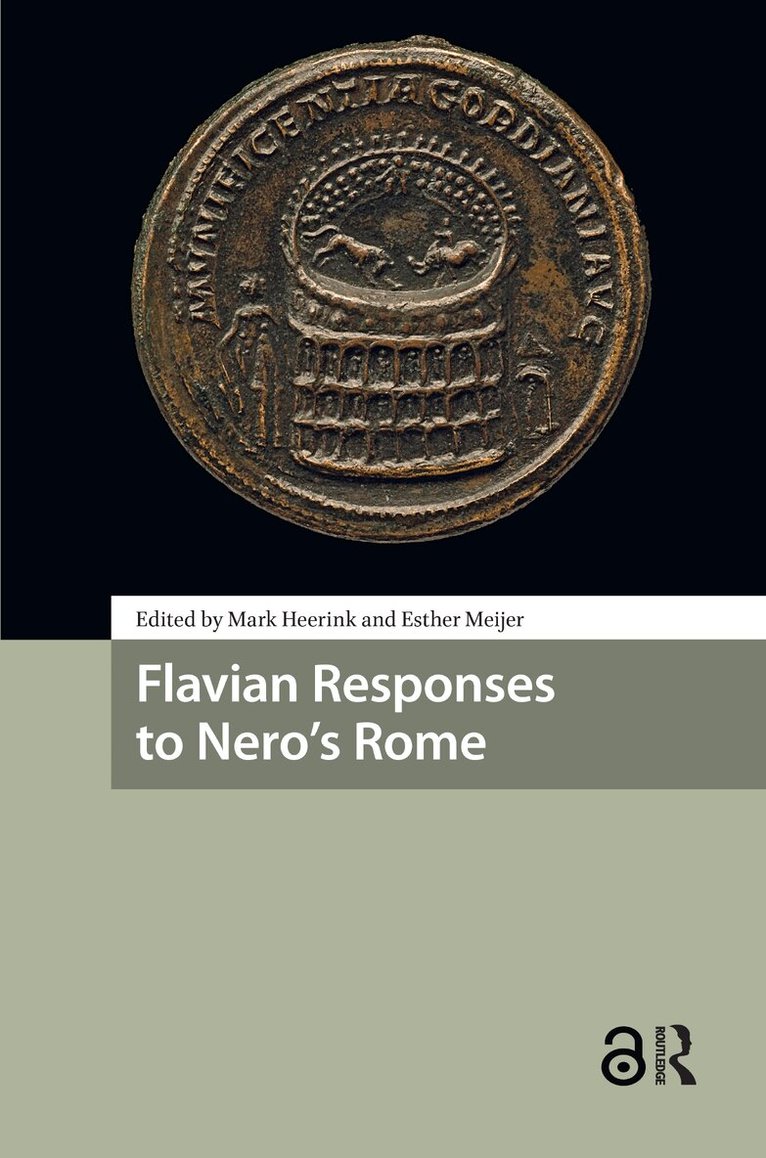
In this interdisciplinary volume, a team of classicists, historians, and archaeologists examines how the memory of the infamous emperor Nero was negotiated in different contexts and by different people during the ensuing Flavian age of imperial Rome. The contributions show different Flavian responses to Nero’s complicated legacy: while some aspects of his memory were reinforced, others were erased. Emphasizing the constant and diverse nature of this negotiation, this book proposes a nuanced interpretation of both the Flavian age itself and its relation to Nero’s Rome. By combining the study of these strategies with architectural approaches, archaeology, and memory studies, this volume offers a multifaceted picture of Roman civilization at a crucial turning point, and as such will have something to offer anyone interested in classics, (ancient) history, and archaeology.
Inbunden, Engelska, 2014
3 770 kr
Skickas inom 5-8 vardagar
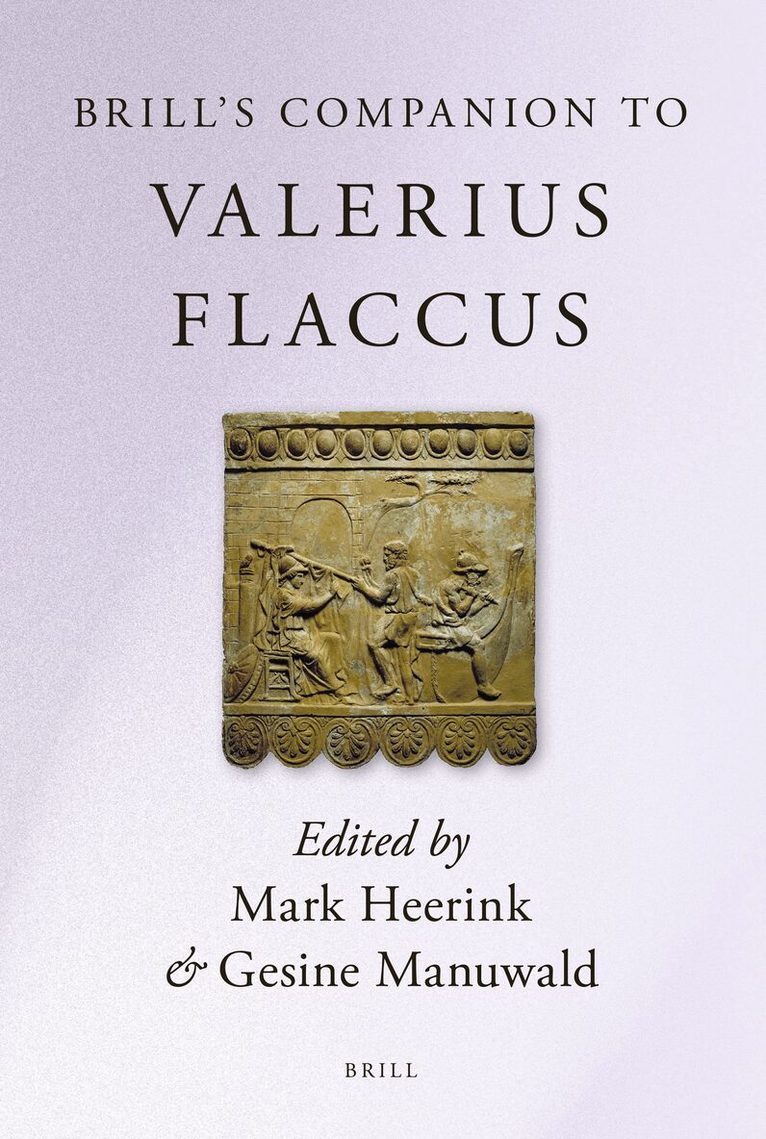
Brill’s Companion to Valerius Flaccus is the first English-language survey on all key aspects of this Flavian poet and his epic Argonautica (1st century CE). A team of international specialists offers both an account of the state of the art and new insights. Topics covered include textual transmission, language, poetic techniques, main themes, characters, relationship to intertexts and reception. This will be a standard point of departure for anyone interested in Valerius Flaccus or Flavian epic more generally.Contributors are: Antony Augoustakis, Michael Barich, Neil Bernstein, Emma Buckley, Cristiano Castelletti, James Clauss, Robert Cowan, Peter Davis, Alain Deremetz, Attila Ferenczi, Marco Fucecchi, Randall Ganiban, Mark Heerink, Alison Keith, Helen Lovatt, Gesine Manuwald, Ruth Parkes, Tim Stover, Ruth Taylor-Briggs, and Andrew Zissos.
Inbunden, Engelska, 2022
2 099 kr
Skickas inom 10-15 vardagar
In this interdisciplinary volume, a team of classicists, historians, and archaeologists examines how the memory of the infamous emperor Nero was negotiated in different contexts and by different people during the ensuing Flavian age of imperial Rome. The contributions show different Flavian responses to Nero’s complicated legacy: while some aspects of his memory were reinforced, others were erased. Emphasizing the constant and diverse nature of this negotiation, this book proposes a nuanced interpretation of both the Flavian age itself and its relation to Nero’s Rome. By combining the study of these strategies with architectural approaches, archaeology, and memory studies, this volume offers a multifaceted picture of Roman civilization at a crucial turning point, and as such will have something to offer anyone interested in classics, (ancient) history, and archaeology.