Mark J. Miller - Böcker
Visar alla böcker från författaren Mark J. Miller. Handla med fri frakt och snabb leverans.
3 produkter
3 produkter
487 kr
Skickas
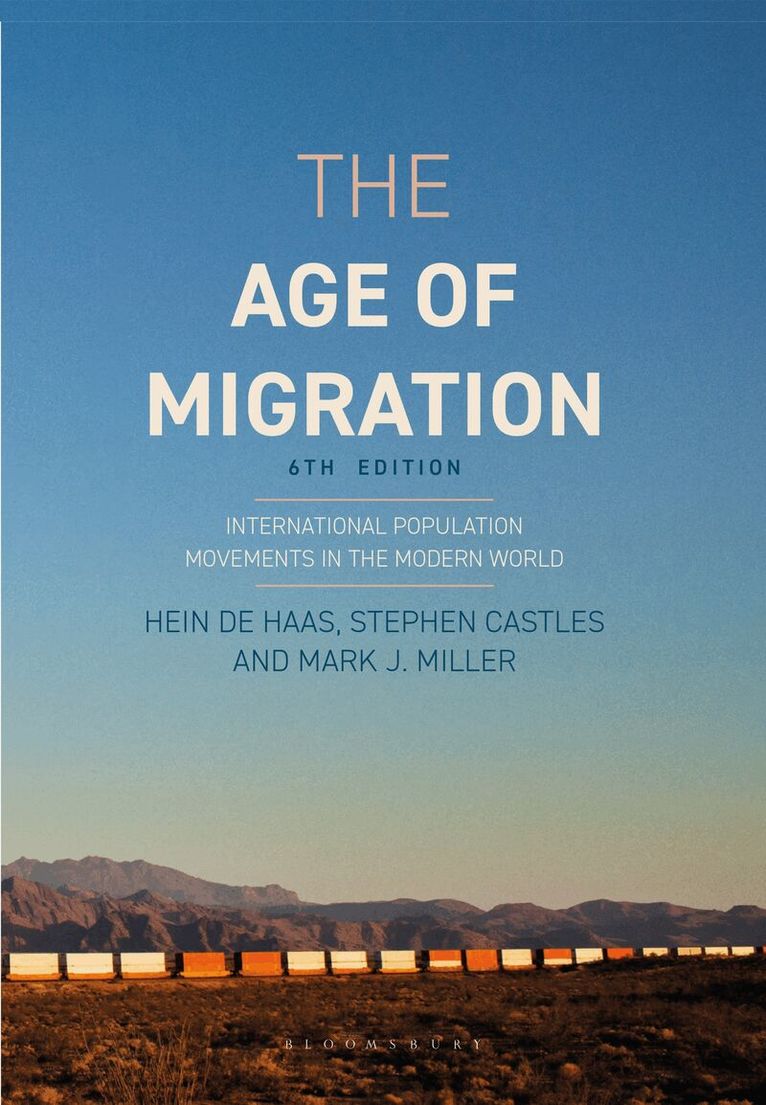
Long established as the leading textbook on migration and used by students and scholars alike all over the world, this fully revised and updated sixth edition continues to offer an authoritative and cutting-edge account of migration flows, why they occur, and their consequences for both origin and destination societies. International migration is one of the most emotive issues of our times, reforging societies around the world and shaping debates on security, national identity and sovereignty in profound ways. The expert authors of this book provide a truly global and interdisciplinary introduction to this perennially important topic, with chapters covering all of the world’s regions and spanning the nineteenth century to the present day. Exploring the significance of migration in relation to recent events and emerging trends, from the policies of the European Union to the Great Recession, this text helps to shed light on the often large gap between the rhetoric and realities of migration.For students of migration studies in disciplines as wide ranging as politics, sociology, geography, area studies, anthropology and history this is an indispensable guide, whether already familiar with the subject matter or approaching the topic for the first time.New to this Edition:- Charts the contemporary politics of migration, including the latest statistical data, summary of policy developments and shifts toward anti-immigrant politics and Islamophobia- A brand new chapter on Categories of Migration used to describe migrants and analyse migration, including a discussion on the topical issue of ‘climate refugees’- Extended discussion of the impacts of migration and development in origin countries in a new separate chapter at the end of the book- Improved coverage of migration trends in the former Soviet Union and Eastern Europe and Central Asia- Offers a better balance between Western and non-Western regions and perspectives on migration- Draws on up-to-date global data on migration and migration policies- A ‘Migration Policy Toolbox’, providing a comprehensive overview of different types of migration policies- A new glossary with definitions of key terms in migration, which are also highlighted throughout the text
687 kr
Skickas inom 7-10 vardagar
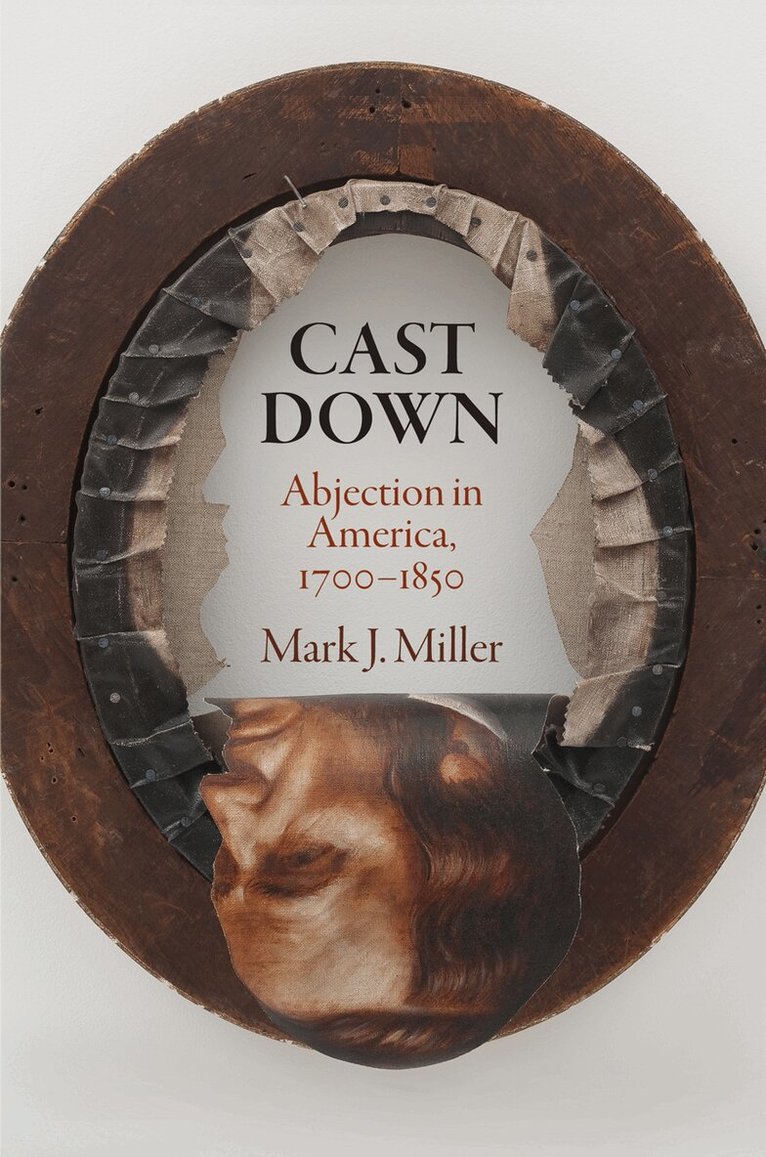
Derived from the Latin abiectus, literally meaning "thrown or cast down," "abjection" names the condition of being servile, wretched, or contemptible. In Western religious tradition, to be abject is to submit to bodily suffering or psychological mortification for the good of the soul. In Cast Down: Abjection in America, 1700-1850, Mark J. Miller argues that transatlantic Protestant discourses of abjection engaged with, and furthered the development of, concepts of race and sexuality in the creation of public subjects and public spheres.Miller traces the connection between sentiment, suffering, and publication and the role it played in the movement away from church-based social reform and toward nonsectarian radical rhetoric in the public sphere. He focuses on two periods of rapid transformation: first, the 1730s and 1740s, when new models of publication and transportation enabled transatlantic Protestant religious populism, and, second, the 1830s and 1840s, when liberal reform movements emerged from nonsectarian religious organizations. Analyzing eighteenth- and nineteenth-century conversion narratives, personal narratives, sectarian magazines, poems, and novels, Miller shows how church and social reformers used sensational accounts of abjection in their attempts to make the public sphere sacred as a vehicle for political change, especially the abolition of slavery.
283 kr
Kommande
Derived from the Latin abiectus, literally meaning "thrown or cast down," "abjection" names the condition of being servile, wretched, or contemptible. In Western religious tradition, to be abject is to submit to bodily suffering or psychological mortification for the good of the soul. In Cast Down: Abjection in America, 1700-1850, Mark J. Miller argues that transatlantic Protestant discourses of abjection engaged with, and furthered the development of, concepts of race and sexuality in the creation of public subjects and public spheres.Miller traces the connection between sentiment, suffering, and publication and the role it played in the movement away from church-based social reform and toward nonsectarian radical rhetoric in the public sphere. He focuses on two periods of rapid transformation: first, the 1730s and 1740s, when new models of publication and transportation enabled transatlantic Protestant religious populism, and, second, the 1830s and 1840s, when liberal reform movements emerged from nonsectarian religious organizations. Analyzing eighteenth- and nineteenth-century conversion narratives, personal narratives, sectarian magazines, poems, and novels, Miller shows how church and social reformers used sensational accounts of abjection in their attempts to make the public sphere sacred as a vehicle for political change, especially the abolition of slavery.