Mark Lake – författare
Visar alla böcker från författaren Mark Lake. Handla med fri frakt och snabb leverans.
9 produkter
Geographical Information Systems in Archaeology
Häftad, 2006
5,0 utav 5 stjärnor. Totalt antal röster: (1)
955 kr
Lägg i varukorg
Geographical Information Systems has moved from the domain of the computer specialist into the wider archaeological community, providing it with an exciting new research method. This clearly written but rigorous book provides a comprehensive guide to that use. Topics covered include: the …
Geographical Information Systems in Archaeology
E-bok, 2006
940 kr
Lägg i varukorg
Geographical Information Systems has moved from the domain of the computer specialist into the wider archaeological community, providing it with an exciting new research method. This clearly written but rigorous book provides a comprehensive guide to that use. Topics covered include: the …
Geographical Information Systems in Archaeology
E-bok, 2006
940 kr
Lägg i varukorg
Geographical Information Systems has moved from the domain of the computer specialist into the wider archaeological community, providing it with an exciting new research method. This clearly written but rigorous book provides a comprehensive guide to that use. Topics covered include: the …
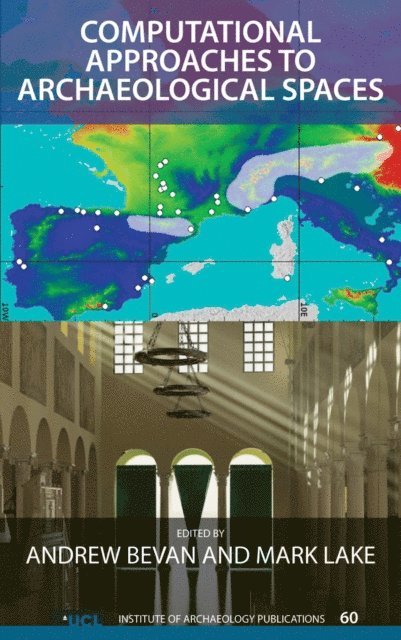
Computational Approaches to Archaeological Spaces
E-bok, 2016
2318 kr
Lägg i varukorg
This volume of original chapters written by experts in the field offers a snapshot of how historical built spaces, past cultural landscapes, and archaeological distributions are currently being explored through computational social science. It focuses on the continuing importance of spatial and …
Computational Approaches to Archaeological Spaces
E-bok, 2016
2268 kr
Lägg i varukorg
This volume of original chapters written by experts in the field offers a snapshot of how historical built spaces, past cultural landscapes, and archaeological distributions are currently being explored through computational social science. It focuses on the continuing importance of spatial and …
How to Save Your Smile and Your Wallet: Dentistry: Myths and Realities, A Patient' Guide
Av Mark Lake
Häftad
237 kr
Lägg i varukorg
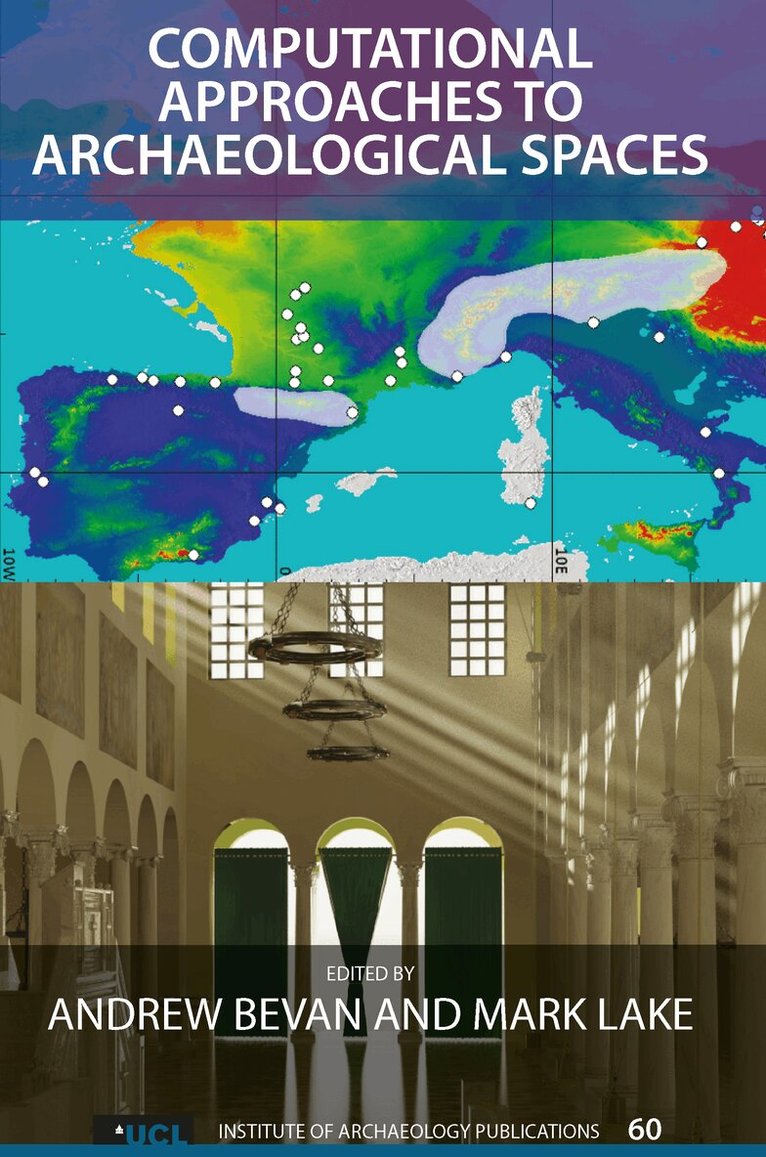
Computational Approaches to Archaeological Spaces
Inbunden, 2013
2818 kr
Lägg i varukorg
This volume of original chapters written by experts in the field offers a snapshot of how historical built spaces, past cultural landscapes, and archaeological distributions are currently being explored through computational social science. It focuses on the continuing importance of spatial and …
Computational Approaches to Archaeological Spaces
Häftad, 2022
1951 kr
Lägg i varukorg
This volume of original chapters written by experts in the field offers a snapshot of how historical built spaces, past cultural landscapes, and archaeological distributions are currently being explored through computational social science. It focuses on the continuing importance of spatial and …
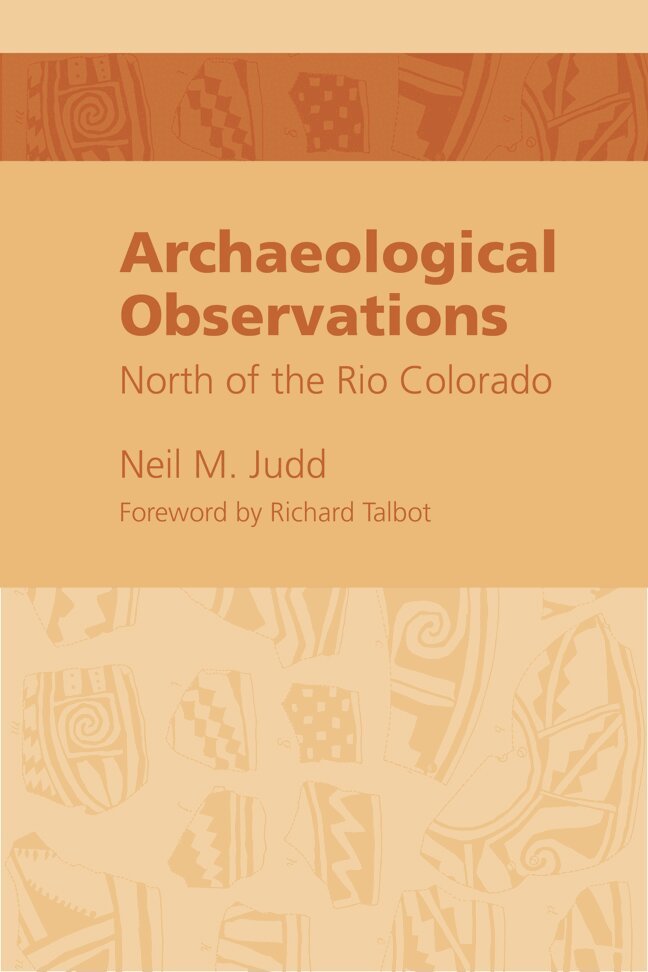
Archeological Observations North of the Rio Colorado
Häftad, 2010
180 kr
Tillfälligt slut
Archeological Observations North of the Rio Colorado was originally published in 1926 as part of the Smithsonian Institution’s Bureau of American Ethnology (Bulletin 82). It contains the report of six seasons of fieldwork undertaken by Neil M. Judd for the Bureau between 1915 and 1920 in western …