Mark Lamster – författare
Visar alla böcker från författaren Mark Lamster. Handla med fri frakt och snabb leverans.
7 produkter
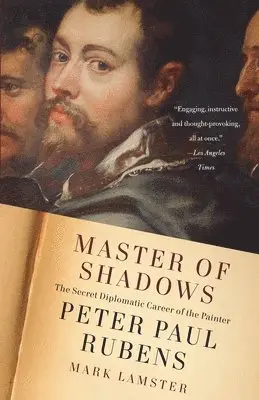
Master of Shadows: The Secret Diplomatic Career of the Painter Peter Paul Rubens
Av Mark Lamster
Häftad, 2010
190 kr
Lägg i varukorg
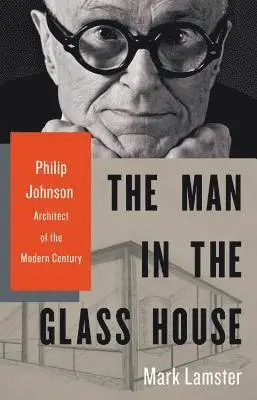
The Man in the Glass House
Philip Johnson, Architect of the Modern Century
Av Mark Lamster
Inbunden, 2018
435 kr
Lägg i varukorg
When Philip Johnson died in 2005 at the age of 98, he was still one of the most recognizable--and influential--figures on the American cultural landscape. The first recipient of the Pritzker Prize and MoMA's founding architectural curator, Johnson made his mark as one of America's leading …
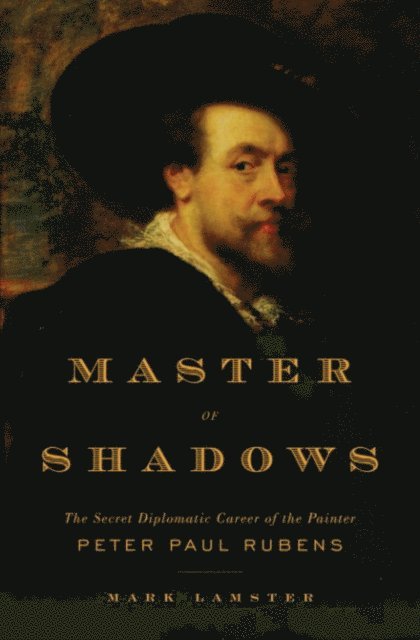
Master of Shadows
The Secret Diplomatic Career of the Painter Peter Paul Rubens
Av Mark Lamster
E-bok, 2009
202 kr
Lägg i varukorg
Although his popularity is eclipsed by Rembrandt today, Peter Paul Rubens was revered by his contemporaries as the greatest painter of his era, if not of all history. His undeniable artistic genius, bolstered by a modest disposition and a reputation as a man of tact and discretion, made him a …
Spalding's World Tour
The Epic Adventure that Took Baseball Around the Globe - And Made it America's Game
Av Mark Lamster
Häftad, 2007
225 kr
Lägg i varukorg
In October of 1888, Albert Goodwill Spalding,baseball star, sporting-goods magnate, promotional genius, serial fabulist,departed Chicago on a trip that would take him and two baseball teams on a journey clear around the globe. Their mission, closely followed in the American and international press, …
Welcome to Paradox City
A Critical History of Dallas as Told Through Its Architecture
Av Mark Lamster
Inbunden, 2026
183 kr
Lägg i varukorg
A first-of-its-kind history of Dallas told through the city’s most significant buildings.With an exceptional blend of architectural history, social history, and critical writing, Pulitzer Prize-winning journalist Mark Lamster takes readers to the sun-scorched origins of Dallas as a remote outpost …
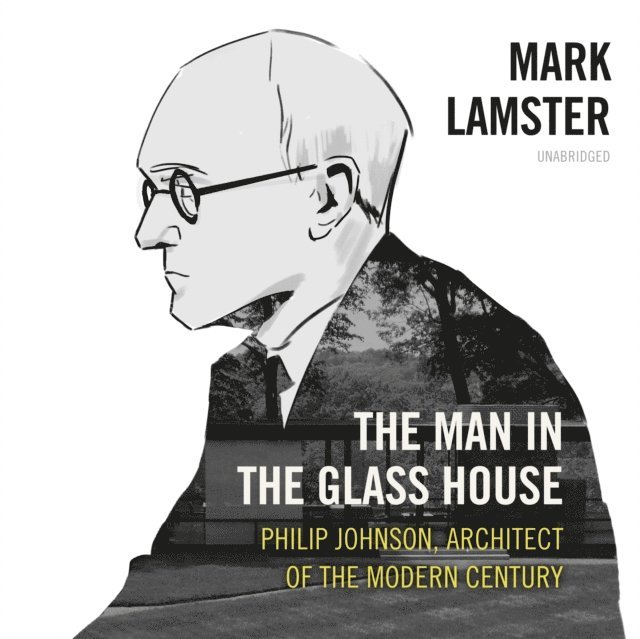
Man in the Glass House
Philip Johnson, Architect of the Modern Century
Av Mark Lamster
Ljudbok, 2019
372 kr
Lägg i varukorg
When Philip Johnson died in 2005 at the age of ninety-eight, he was still one of the most recognizable—and influential—figures on the American cultural landscape. The first recipient of the Pritzker Prize and MoMA’s founding architectural curator, Johnson made his mark as one of America’s leading …
FGP Atelier
Progression
Av Francisco Gonzalez Pulido, Mark Lamster m. fl.
Inbunden, 2021
685 kr
Tillfälligt slut
FGP Atelier is a global practice led by Mexican architect Francisco Gonzalez Pulido whose mission is to contribute to social and economic advancement through the alignment of the core principles of Design, Science and Technology. The work of The Atelier is guided by Transparency, Openness and …