Mark Leonard – författare
Visar alla böcker från författaren Mark Leonard. Handla med fri frakt och snabb leverans.
10 produkter
10 produkter
148 kr
Skickas
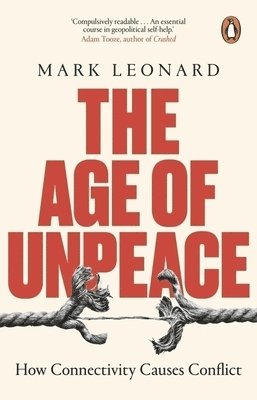
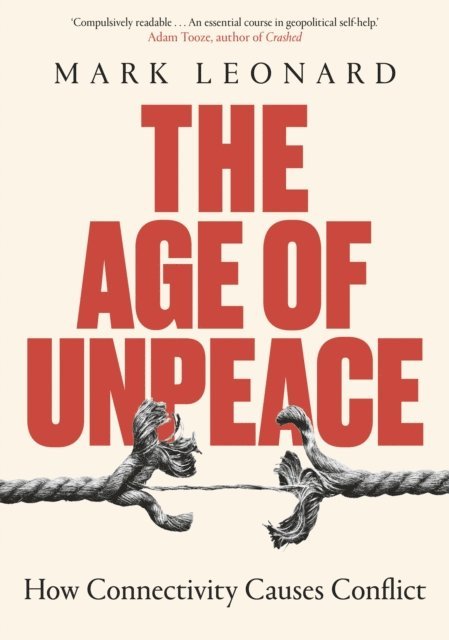
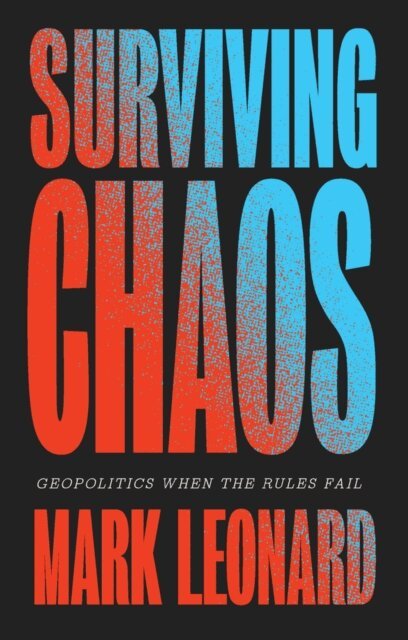
A FINANCIAL TIMES ECONOMICS BOOK OF THE YEAR'Compulsively readable... An essential course in geopolitical self-help' - Adam Tooze'Full of fresh - and often surprising - ideas' - Niall Ferguson 'Extraordinary... One of those rare books that defines the terms of our conversation about our times' - Michael Ignatieff We thought connecting the world would bring lasting peace. Instead, it is driving us apart.In the three decades since the end of the Cold War, global leaders have been working to create a connected world. They've integrated the world's economy, transport and communications, breaking down borders in the hope of making war impossible. In doing so, they unwittingly created a formidable arsenal of weapons for new kinds of warfare.Troublingly, we are now seeing rising conflict at every level, from individuals on social media all the way up to full-blown war in eastern Europe. The past decade has seen a new antagonism between the US, Russia and China; an inability to co-operate on global issues such as climate change and pandemic response; and a breakdown in the distinction between war and peace, as the theatre of conflict expands to include sanctions, cyberwar and the pressures of large migrant flows.A leading authority on international relations, Mark Leonard lays out the ways that globalization has broken its fundamental promise to make our world safer and more prosperous, and explores how we might wrest a more hopeful future from an age of unpeace.
208 kr
Skickas inom 7-10 vardagar
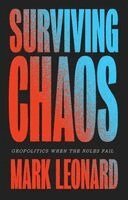
We live in an explosive world. Trump is blowing up political order. Xi Jinping is scrambling the economy. And Putin is redrawing the map of Europe. At a time when every crisis bleeds into the next — from pandemics and wars to climate shocks and AI revolutions — the old rules of global order are collapsing.Mark Leonard reveals how geopolitics is being rewritten in an age of "Un-Order," where no one agrees on the rules, and even the concept of order itself is up for debate. Drawing on years of conversations with leaders and thinkers from Beijing to Washington, Leonard argues that we are witnessing a new divide in international politics between the grand "architects" who try to build a stable global system and the nimble "artisans" who adapt, improvise, and survive amidst disruption. China, he shows, has embraced the "artisan's" mindset while Europe and the West cling to the fading certainties of the "architects".Part analysis, part manifesto, Surviving Chaos offers a bold new framework for understanding power in the twenty-first century — and a call for leaders to stop defending yesterday's world and start learning how to thrive in tomorrow's.
155 kr
Skickas inom 3-6 vardagar
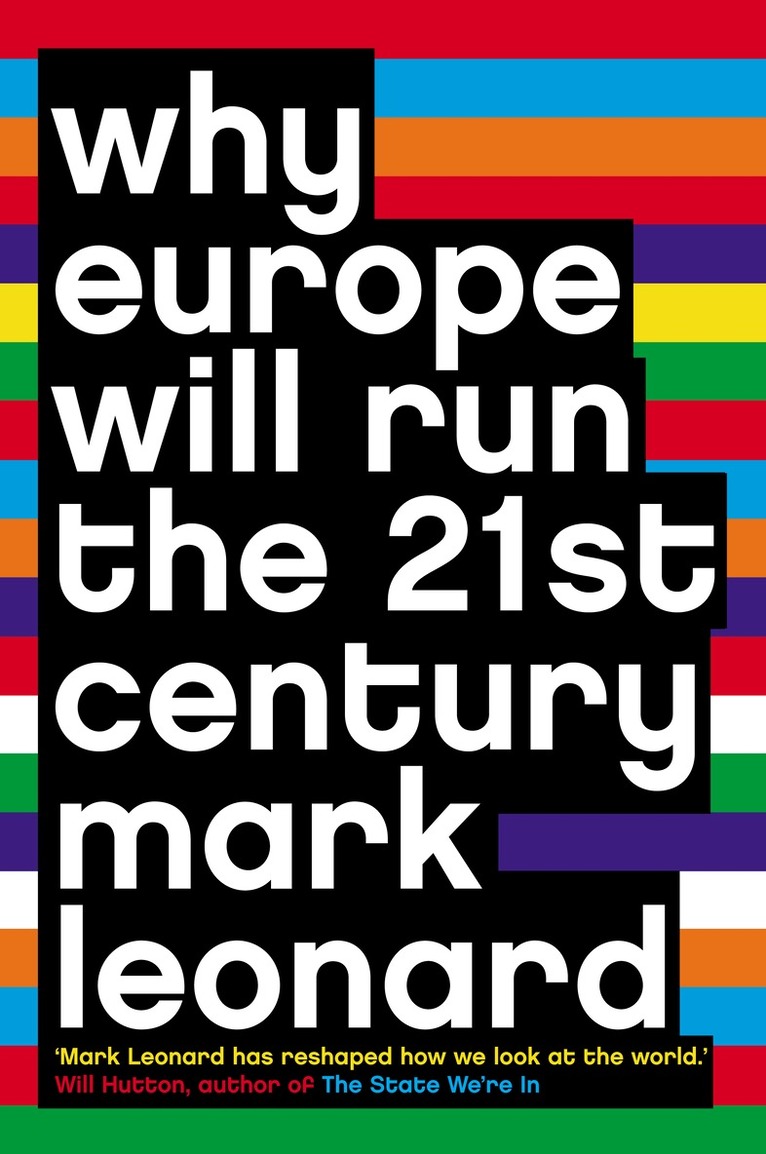
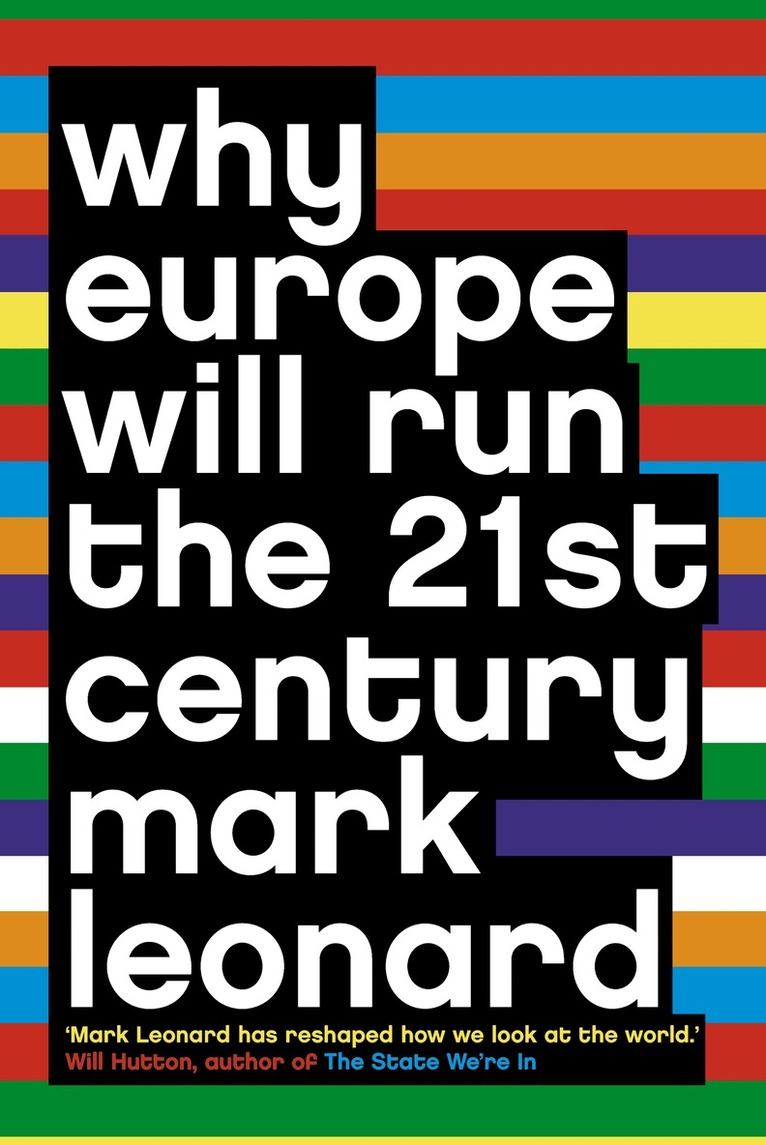
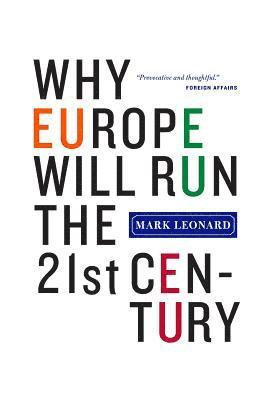
Those who believe Europe to be weak and ineffectual are wrong. Turning conventional wisdom on its head Why Europe Will Run the 21st Century sets out a vision for a century in which Europe will dominate, not America. This is the book that will make your mind up about Europe.Those who believe Europe is weak and ineffectual are wrong. Turning conventional wisdom on its head, Mark Leonard, one of the UK's most visionary thinkers, argues that Europe is remaking the world in its own image.Europe only looks dead because it is seen through American eyes. But America's reach is shallow and narrow. It can bribe, bully or impose its will anywhere in the world, but when its back is turned its potency wanes. Europe's reach is broad and deep, spreading its values from Albania to Zambia. It brings other countries into its orbit rather than defining itself against them, and once countries come under the influence of its laws and customs they are changed for ever.This book sets up a challenge: to regard Europe not as a tangle of bureaucracy and regulation, but as a revolutionary model for the future. We cannot afford to forget that Europe was founded to protect us against war and that it is now key to the spread of democracy. ‘Why Europe Will Run the 21st Century’ addresses Europe's place in the world, looks to the past and the future and argues, provocatively, that it can and will shape a new and better world order.
125 kr
Skickas inom 5-8 vardagar
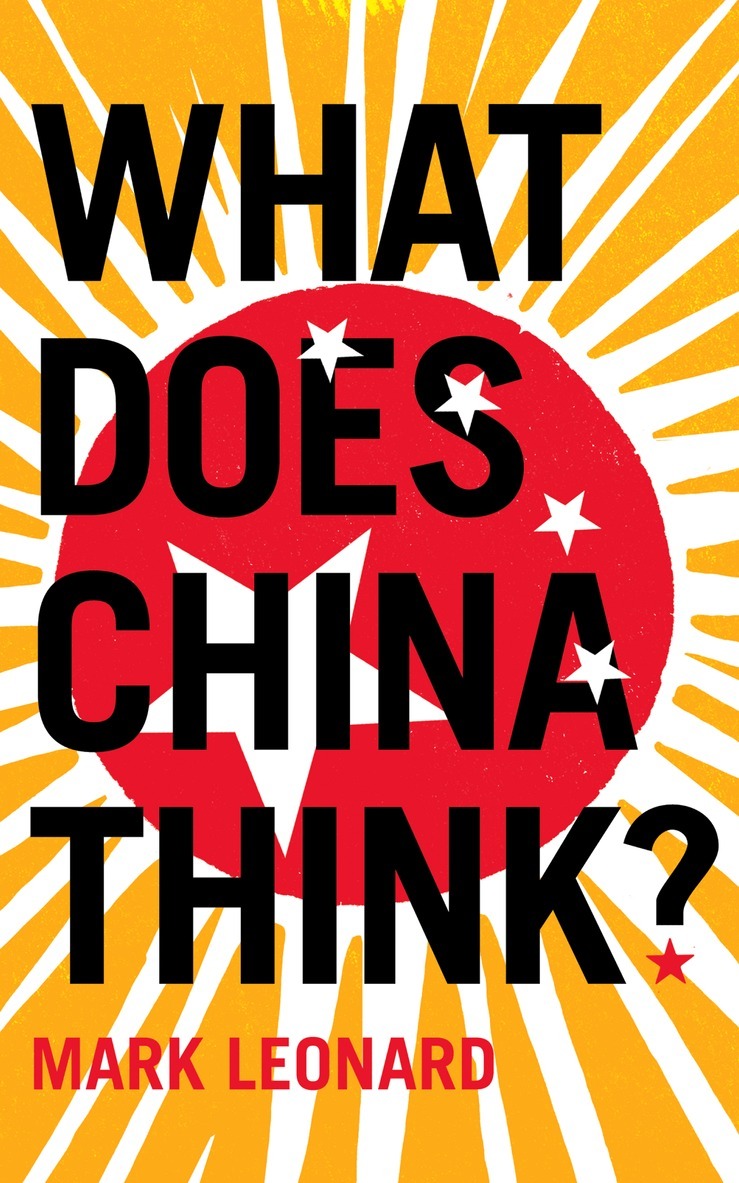
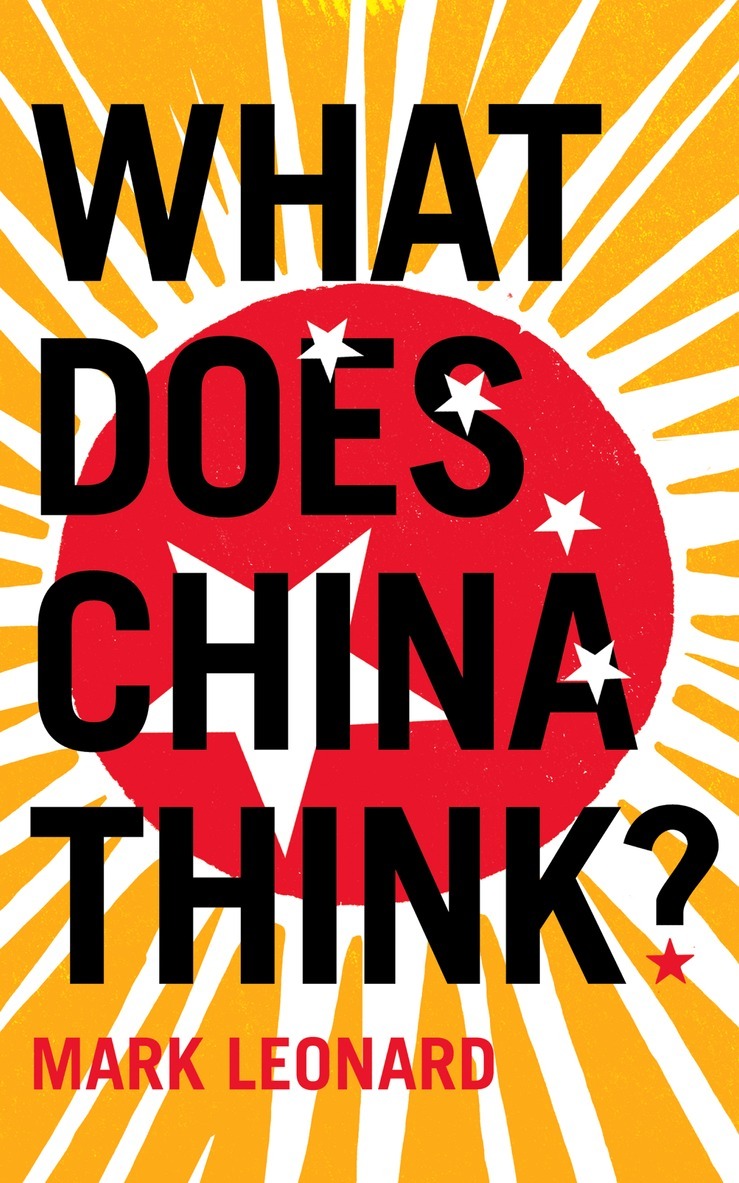
An invigorating book about the debates raging within China. We all know about the fast pace of change in this country. This book brings us the ideas being fought over in the country itself – from democracy to the idea of a ‘peaceful rise’. It challenges all of our assumptions about China.We know everything and nothing about China. We know that China is changing so fast that the maps in Shanghai need to be rewritten every two weeks. We know that China has brought 300 million people from agricultural backwardness into modernity in just 30 years (something that took 200 years in Europe). China’s voracious appetite for resources is gobbling up 40% of the world’s cement., 40% of its coal, 30% of its steel, and 12% of its energy. It has become so integrated into the global economy that its prospects have immediate effects on our everyday lives: simultaneously doubling the cost of the London Olympics while halving the cost of our computers; keeping the US economy afloat but sinking the Italian footwear industry. We have an image of China as a dictatorship; a nationalist empire that threatens its neighbours and global peace.But how many people know about the debates raging within China? What do we really know about the kind of society China wants to become? What ideas are motivating its citizens? We can name America’s Neo-Cons and the religious right, but cannot name Chinese writers, thinkers or journalists – what is the future they dream of for their country, or the world it is shaping? Because China’s rise – like the fall of Rome or the British Raj – will echo down generations to come, these are the questions we increasingly need to ask. Mark Leonard asks us to forget everything we thought we knew about China and start again. He introduces us to the thinkers that are shaping China’s wide open future and opens up a hidden world of intellectual debate that is driving a new Chinese revolution and changing the face of the world.
202 kr
Tillfälligt slut
Those who believe Europe to be weak and ineffectual are wrong. Turning conventional wisdom on its head Why Europe Will Run the 21st Century sets out a vision for a century in which Europe will dominate, not America. This is the book that will make your mind up about Europe.Those who believe Europe is weak and ineffectual are wrong. Turning conventional wisdom on its head, Mark Leonard, one of the UK's most visionary thinkers, argues that Europe is remaking the world in its own image.Europe only looks dead because it is seen through American eyes. But America's reach is shallow and narrow. It can bribe, bully or impose its will anywhere in the world, but when its back is turned its potency wanes. Europe's reach is broad and deep, spreading its values from Albania to Zambia. It brings other countries into its orbit rather than defining itself against them, and once countries come under the influence of its laws and customs they are changed for ever.This book sets up a challenge: to regard Europe not as a tangle of bureaucracy and regulation, but as a revolutionary model for the future. We cannot afford to forget that Europe was founded to protect us against war and that it is now key to the spread of democracy. ‘Why Europe Will Run the 21st Century’ addresses Europe's place in the world, looks to the past and the future and argues, provocatively, that it can and will shape a new and better world order.
559 kr
Skickas inom 7-10 vardagar
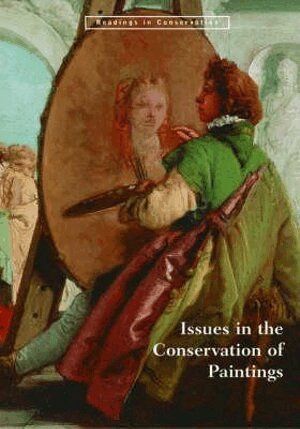
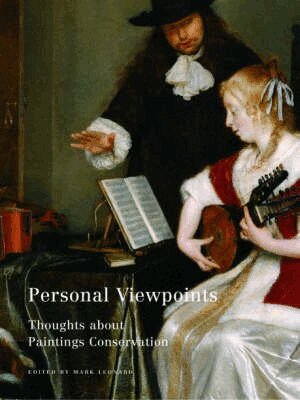
This volume on paintings conservation includes more than seventy texts ranging from the fifteenth century to the present day. Some are classic and highly influential writings; others, although little known when first published, in retrospect reflect important themes and issues in the history of the field. Many appear here in English for the first time, including translations of D. Vicente Polero y Toledo's 1855 essay "Arte de la Restauracion" (The Art of Restoration), and Victor Bauer-Bolton's treatise from 1914, "Sollen fehlende Stellen bei Gemalden erganzt werden?" (Should Missing Areas of Paintings Be Made Good?).The book is divided into six sections: An Historical Miscellany, History of the Profession, Study of Artists' Materials and Techniques, Structural Interventions, Philosophical and Practical Approaches to Cleaning and Restoration, and Cleaning Controversies.This is the second volume to appear in the Getty Conservation Institute's Readings in Conservation series, which publishes texts considered fundamental to an understanding of the history, philosophies, and methodologies of conservation."
389 kr
Skickas inom 7-10 vardagar
This volume on paintings conservation includes more than seventy texts ranging from the fifteenth century to the present day. Some are classic and highly influential writings; others, although little known when first published, in retrospect reflect important themes and issues in the history of the field. Many appear here in English for the first time. Divided into six sections: An Historical Miscellany, History of the Profession, Study of Artists' Materials and Techniques, Structural Interventions, Philosophical and Practical Approaches to Cleaning and Restoration, and Cleaning Controversies.
180 kr
Skickas inom 5-8 vardagar
378 kr
Skickas inom 5-8 vardagar
182 kr
Skickas inom 10-15 vardagar
Those who believe Europe is weak, ineffectual and sclerotic are wrong. Europe might look frail and feeble against American military might, but that expression of power is shallow and narrow. Or so says Mark Leonard, one of Europe's brightest new policy thinkers, in a book sure to stir and provoke his American contemporaries. America's centralized, militarized supremacy, he argues, has become so overwhelming that it has defeated everything, including itself. It's capable of imposing itself anywhere , but when its back is turned its potency wanes. Europe's reach, by contrast, is broad and deep, spreading a value system from Albania to Zambia. It draws other countries into its orbit rather than seeking to define itself against them, and as they come under the influence of its laws and customs they are changed forever. Europe, quietly, has rediscovered within its foundations a revolutionary model for the future and an alternative to American hard power. With little fanfare, Europe has pooled the resources and the sovereignty of its nations into a radical new interface - and a power that is discreetly but insistently shaping the path forward. The revolution they have unleashed, Leonard argues, will transform the world. Whether you are a neocon or a transatlantic traditionalist, a businessmen or financier, his argument is one you cannot afford to ignore.