Mark R. Cohen – författare
Visar alla böcker från författaren Mark R. Cohen. Handla med fri frakt och snabb leverans.
13 produkter
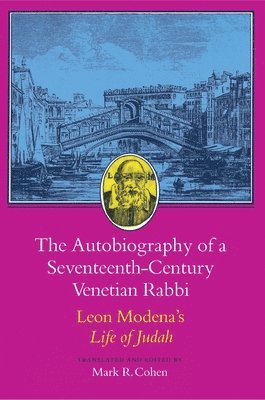
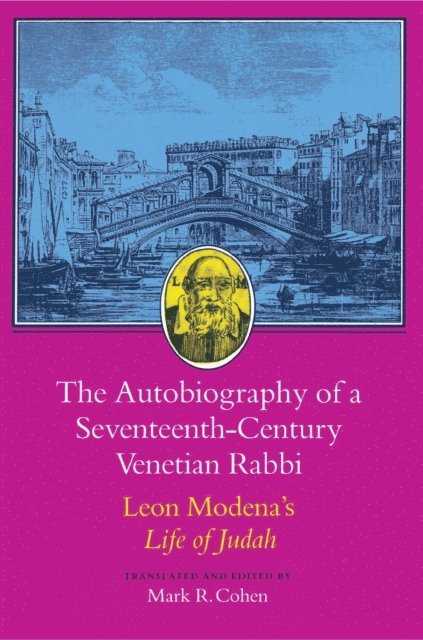
Autobiography of a Seventeenth-Century Venetian Rabbi
Leon Modena's Life of Judah
Av Leone Modena, Mark R. Cohen
Häftad, 1988
529 kr
Lägg i varukorg
Leon (Judah Aryeh) Modena was a major intellectual figure of the early modern Italian Jewish community--a complex and intriguing personality who was famous among contemporary European Christians as well as Jews. Modena (1571-1648) produced an autobiography that documents in poignant detail the …
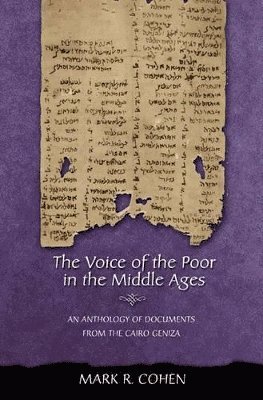
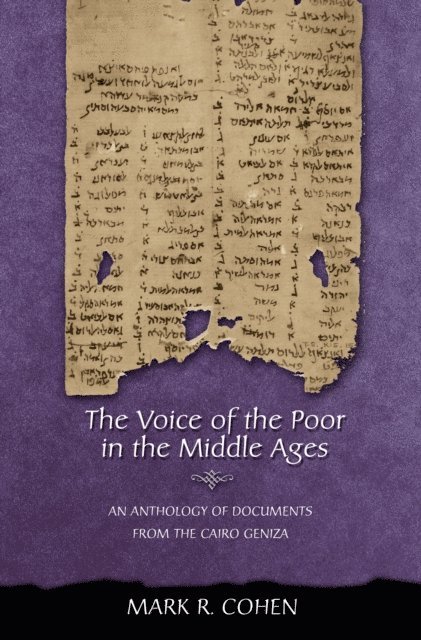
Voice of the Poor in the Middle Ages
An Anthology of Documents from the Cairo Geniza
Häftad, 2005
518 kr
Lägg i varukorg
They are voices that have been silent for centuries: those of captives and refugees, widows and orphans, the blind and infirm, and the underclass of the "working poor." Now, for the first time, the voices of the poor in the Middle Ages come to life in this moving book by historian Mark Cohen. A …
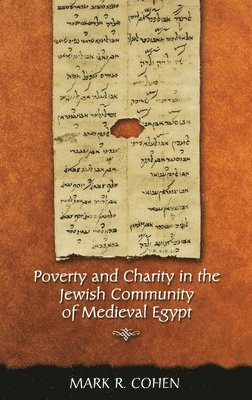
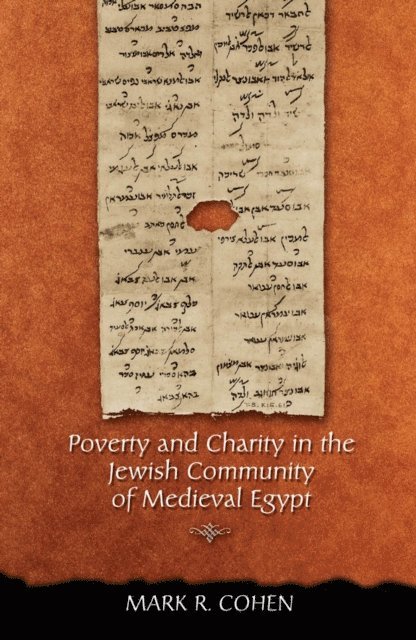
Poverty and Charity in the Jewish Community of Medieval Egypt
Inbunden, 2005
1535 kr
Lägg i varukorg
What was it like to be poor in the Middle Ages? In the past, the answer to this question came only from institutions and individuals who gave relief to the less fortunate. This book, by one of the top scholars in the field, is the first comprehensive book to study poverty in a premodern Jewish …
Under Crescent and Cross
The Jews in the Middle Ages
Häftad, 2008
4,0 utav 5 stjärnor. Totalt antal röster: (1)
395 kr
Lägg i varukorg
Did Muslims and Jews in the Middle Ages cohabit in a peaceful "interfaith utopia"? Or were Jews under Muslim rule persecuted, much as they were in Christian lands? Rejecting both polemically charged ideas as myths, Mark Cohen offers a systematic comparison of Jewish life in medieval Islam and …
Autobiography of a Seventeenth-Century Venetian Rabbi
Leon Modena''s Life of Judah
Av Leone Modena, Mark R. Cohen
E-bok, 2020
719 kr
Lägg i varukorg
Leon (Judah Aryeh) Modena was a major intellectual figure of the early modern Italian Jewish community--a complex and intriguing personality who was famous among contemporary European Christians as well as Jews. Modena (1571-1648) produced an autobiography that documents in poignant detail the …
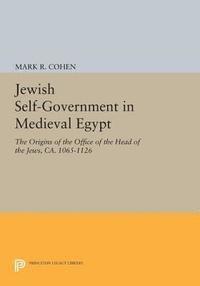
Jewish Self-Government in Medieval Egypt
The Origins of the Office of the Head of the Jews, ca. 1065-1126
Häftad, 2014
1202 kr
Lägg i varukorg
Under three successive Islamic dynasties--the Fatimids, the Ayyubids, and the Mamluks--the Egyptian Office of the Head of the Jews (also known as the Nagid) became the most powerful representative of medieval Jewish autonomy in the Islamic world. To determine the origins of this institution, Mark …
Jewish Self-Government in Medieval Egypt
The Origins of the Office of the Head of the Jews, ca. 1065-1126
Inbunden, 2016
2848 kr
Lägg i varukorg
Under three successive Islamic dynasties--the Fatimids, the Ayyubids, and the Mamluks--the Egyptian Office of the Head of the Jews (also known as the Nagid) became the most powerful representative of medieval Jewish autonomy in the Islamic world. To determine the origins of this institution, Mark …
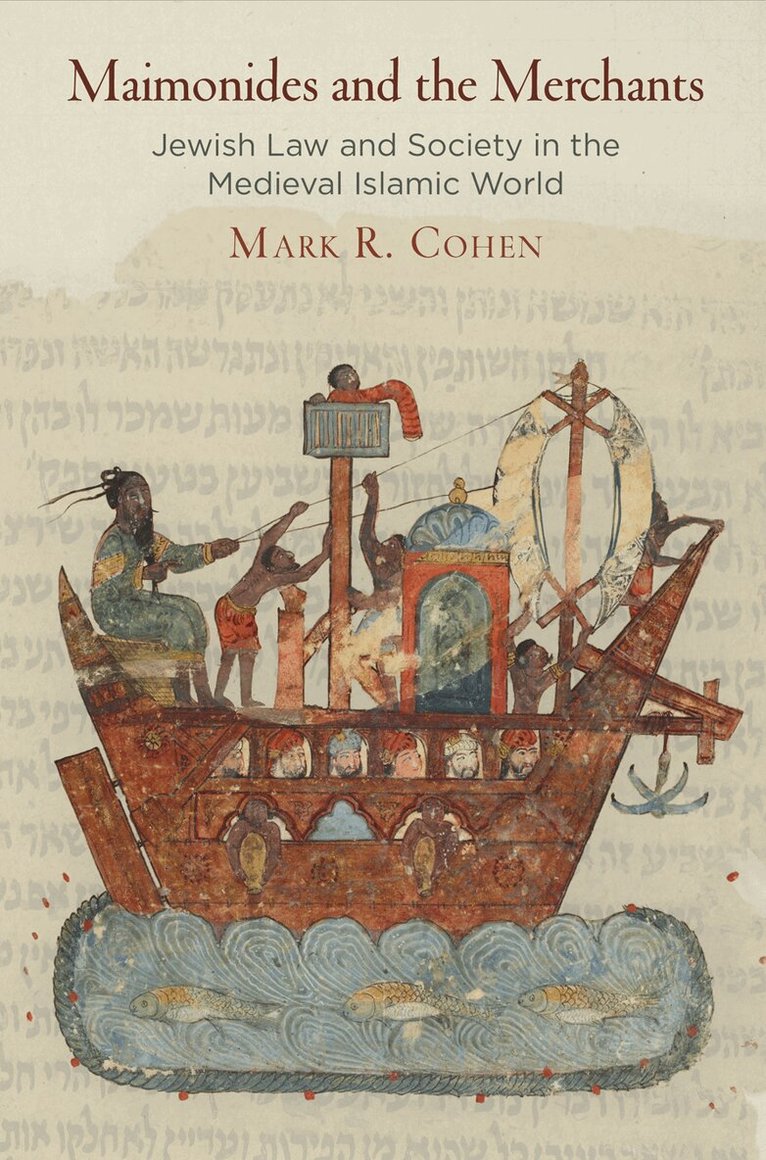
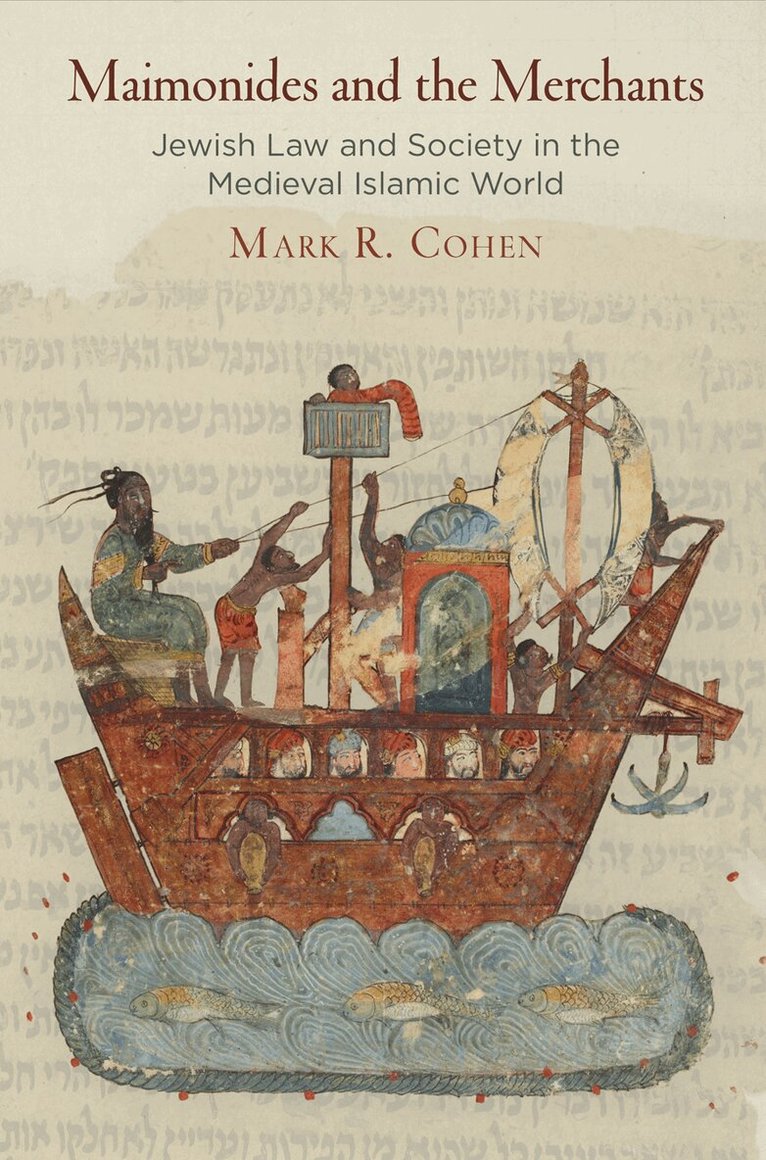
Maimonides and the Merchants
Jewish Law and Society in the Medieval Islamic World
Inbunden, 2017
852 kr
Lägg i varukorg
The advent of Islam in the seventh century brought profound economic changes to the Jews living in the Middle East, and Talmudic law, compiled in and for an agrarian society, was ill equipped to address an increasingly mercantile world. In response, and over the course of the seventh through …
Maimonides and the Merchants
Jewish Law and Society in the Medieval Islamic World
E-bok, 2017
1005 kr
Lägg i varukorg
The advent of Islam in the seventh century brought profound economic changes to the Jews living in the Middle East, and Talmudic law, compiled in and for an agrarian society, was ill equipped to address an increasingly mercantile world. In response, and over the course of the seventh through …
Poverty and Charity in the Jewish Community of Medieval Egypt
E-bok, 2009
1089 kr
Lägg i varukorg
What was it like to be poor in the Middle Ages? In the past, the answer to this question came only from institutions and individuals who gave relief to the less fortunate. This book, by one of the top scholars in the field, is the first comprehensive book to study poverty in a premodern Jewish …
Under Crescent and Cross
The Jews in the Middle Ages
E-bok, 2021
514 kr
Lägg i varukorg
Did Muslims and Jews in the Middle Ages cohabit in a peaceful "interfaith utopia"? Or were Jews under Muslim rule persecuted, much as they were in Christian lands? Rejecting both polemically charged ideas as myths, Mark Cohen offers a systematic comparison of Jewish life in medieval Islam and …
Voice of the Poor in the Middle Ages
An Anthology of Documents from the Cairo Geniza
E-bok, 2013
685 kr
Lägg i varukorg
They are voices that have been silent for centuries: those of captives and refugees, widows and orphans, the blind and infirm, and the underclass of the "working poor." Now, for the first time, the voices of the poor in the Middle Ages come to life in this moving book by historian Mark Cohen. A …
Jewish Self-Government in Medieval Egypt
The Origins of the Office of the Head of the Jews, ca. 1065-1126
E-bok, 2014
927 kr
Lägg i varukorg
Under three successive Islamic dynasties--the Fatimids, the Ayyubids, and the Mamluks--the Egyptian Office of the Head of the Jews (also known as the Nagid) became the most powerful representative of medieval Jewish autonomy in the Islamic world. To determine the origins of this institution, Mark …