Mark Raymond – författare
Visar alla böcker från författaren . Handla med fri frakt och snabb leverans.
11 produkter
11 produkter
Inbunden, Engelska, 2019
1 439 kr
Skickas inom 5-8 vardagar
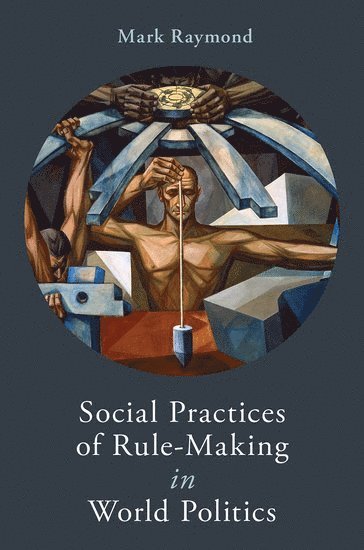
Rule-based global order remains a central object of study in International Relations. Constructivists have identified a number of mechanisms by which actors accomplish both the continuous reproduction and transformation of the rules, institutions, and regimes that constitute their worlds. However, it is less clear how these mechanisms relate to each other--that is, the "rules for changing the rules". This book seeks to explain how political actors know which procedural rules to engage in a particular context, and how they know when to utilize one mechanism over another. It argues that actors in world politics are simultaneously engaged in an ongoing social practice of rule-making, interpretation, and application. By identifying and explaining the social practice of rule-making in the international system, this book clarifies why global norms change at particular moments and why particular attempts to change norms might succeed or fail at any given time. Mark Raymond looks at four cases: the social construction of great power management in the aftermath of the Napoleonic Wars; the creation of a rule against the use of force, except in cases of self-defense and collective security; contestation of the international system by al Qaeda in the period immediately following the 9/11 attacks; and United Nations efforts to establish norms for state conduct in the cyber domain. The book also shows that practices of global governance are centrally concerned with making, interpreting, and applying rules, and argues for placing global governance at the heart of the study of the international system and its dynamics. Finally, it demonstrates the utility of the book's approach for the study of global governance, the international system, and for emerging efforts to identify forms and sites of authority and hierarchy in world politics.
E-bok
PDF, Engelska, 2019309 kr
Läs direkt efter köp
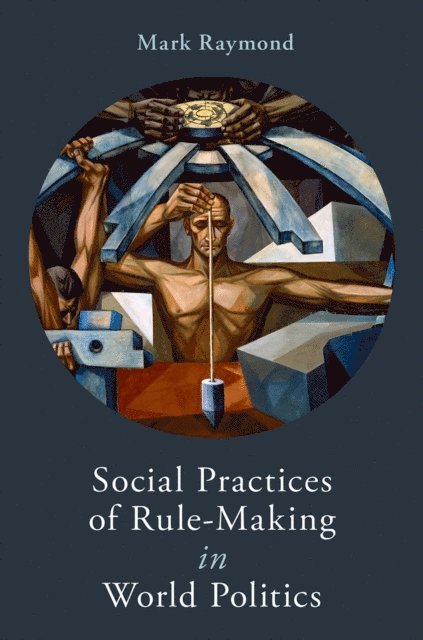
Rule-based global order remains a central object of study in International Relations. Constructivists have identified a number of mechanisms by which actors accomplish both the continuous reproduction and transformation of the rules, institutions, and regimes that constitute their worlds. However, it is less clear how these mechanisms relate to each other--that is, the "rules for changing the rules". This book seeks to explain how political actors know which procedural rules to engage in a particular context, and how they know when to utilize one mechanism over another. It argues that actors in world politics are simultaneously engaged in an ongoing social practice of rule-making, interpretation, and application.By identifying and explaining the social practice of rule-making in the international system, this book clarifies why global norms change at particular moments and why particular attempts to change norms might succeed or fail at any given time. Mark Raymond looks at four cases: the social construction of great power management in the aftermath of the Napoleonic Wars; the creation of a rule against the use of force, except in cases of self-defense and collective security; contestation of the international system by al Qaeda in the period immediately following the 9/11 attacks; and United Nations efforts to establish norms for state conduct in the cyber domain. The book also shows that practices of global governance are centrally concerned with making, interpreting, and applying rules, and argues for placing global governance at the heart of the study of the international system and its dynamics. Finally, it demonstrates the utility of the book''s approach for the study of global governance, the international system, and for emerging efforts to identify forms and sites of authority and hierarchy in world politics.
E-bok
Engelska, 2019321 kr
Läs direkt efter köp
Rule-based global order remains a central object of study in International Relations. Constructivists have identified a number of mechanisms by which actors accomplish both the continuous reproduction and transformation of the rules, institutions, and regimes that constitute their worlds. However, it is less clear how these mechanisms relate to each other--that is, the "rules for changing the rules". This book seeks to explain how political actors know which procedural rules to engage in a particular context, and how they know when to utilize one mechanism over another. It argues that actors in world politics are simultaneously engaged in an ongoing social practice of rule-making, interpretation, and application.By identifying and explaining the social practice of rule-making in the international system, this book clarifies why global norms change at particular moments and why particular attempts to change norms might succeed or fail at any given time. Mark Raymond looks at four cases: the social construction of great power management in the aftermath of the Napoleonic Wars; the creation of a rule against the use of force, except in cases of self-defense and collective security; contestation of the international system by al Qaeda in the period immediately following the 9/11 attacks; and United Nations efforts to establish norms for state conduct in the cyber domain. The book also shows that practices of global governance are centrally concerned with making, interpreting, and applying rules, and argues for placing global governance at the heart of the study of the international system and its dynamics. Finally, it demonstrates the utility of the book''s approach for the study of global governance, the international system, and for emerging efforts to identify forms and sites of authority and hierarchy in world politics.
Häftad, Engelska, 2022
381 kr
Skickas inom 5-8 vardagar
Rule-based global order remains a central object of study in International Relations. Constructivists have identified a number of mechanisms by which actors accomplish both the continuous reproduction and transformation of the rules, institutions, and regimes that constitute their worlds. However, it is less clear how these mechanisms relate to each other--that is, the "rules for changing the rules". This book seeks to explain how political actors know which procedural rules to engage in a particular context, and how they know when to utilize one mechanism over another. It argues that actors in world politics are simultaneously engaged in an ongoing social practice of rule-making, interpretation, and application. By identifying and explaining the social practice of rule-making in the international system, this book clarifies why global norms change at particular moments and why particular attempts to change norms might succeed or fail at any given time. Mark Raymond looks at four cases: the social construction of great power management in the aftermath of the Napoleonic Wars; the creation of a rule against the use of force, except in cases of self-defense and collective security; contestation of the international system by al Qaeda in the period immediately following the 9/11 attacks; and United Nations efforts to establish norms for state conduct in the cyber domain. The book also shows that practices of global governance are centrally concerned with making, interpreting, and applying rules, and argues for placing global governance at the heart of the study of the international system and its dynamics. Finally, it demonstrates the utility of the book's approach for the study of global governance, the international system, and for emerging efforts to identify forms and sites of authority and hierarchy in world politics.

Häftad, Engelska, 2021
108 kr
Skickas inom 5-8 vardagar
E-bok
Engelska, 2021194 kr
Läs direkt efter köp
Most weekends, all across North America, parks and recreation facilities are filled with children from the age of four and above,playing soccer. Likewise, on the sidelines, their parents and immediate other family members are screaming and shouting at the participants to do better than they could possibly achieve, all punctuated with unsubtle criticism of the opposition. The expansion of youth soccer can be traced to the mid 1990's. This means that we now have a generation of parents who actually played the sport. The difference is that today, those parents now have just enough experience and knowledge of the game to be would be coaches, despite not actually being asked to do so. Perfectly well adjusted professional people who during the week may make important business and life decisions, feel the need to shout irrational and asinine comments at children and the referees trying to facilitate the game. Our tale takes place with this as a backdrop to a relationship that begins with two students in London and follows them through a tumultuous relationship that continues in North America where they marry and have a daughter. Their daughter turns out to be genuinely talented at soccer. Their differing attitudes to youth sports, along with his career in the money markets which involves him entertaining clients multiple times a week in the bars and restaurants of New York city, sends their marriage to breaking point. It takes a traumatic event in their lives to bring focus back to their relationship.
Häftad, Engelska, 2020
128 kr
Skickas inom 5-8 vardagar
Häftad, Engelska, 2020
134 kr
Skickas inom 5-8 vardagar
Häftad, Engelska, 2019
92 kr
Skickas inom 5-8 vardagar
Häftad, Engelska, 2024
152 kr
Skickas inom 5-8 vardagar
Inbunden, Engelska, 2024
304 kr
Skickas inom 5-8 vardagar