Mark Shrager – författare
Visar alla böcker från författaren Mark Shrager. Handla med fri frakt och snabb leverans.
7 produkter
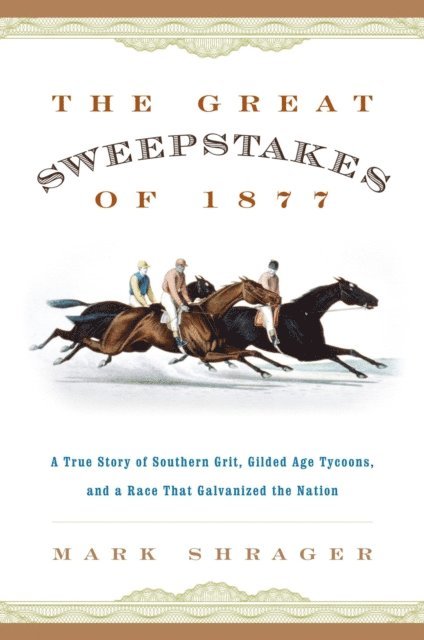
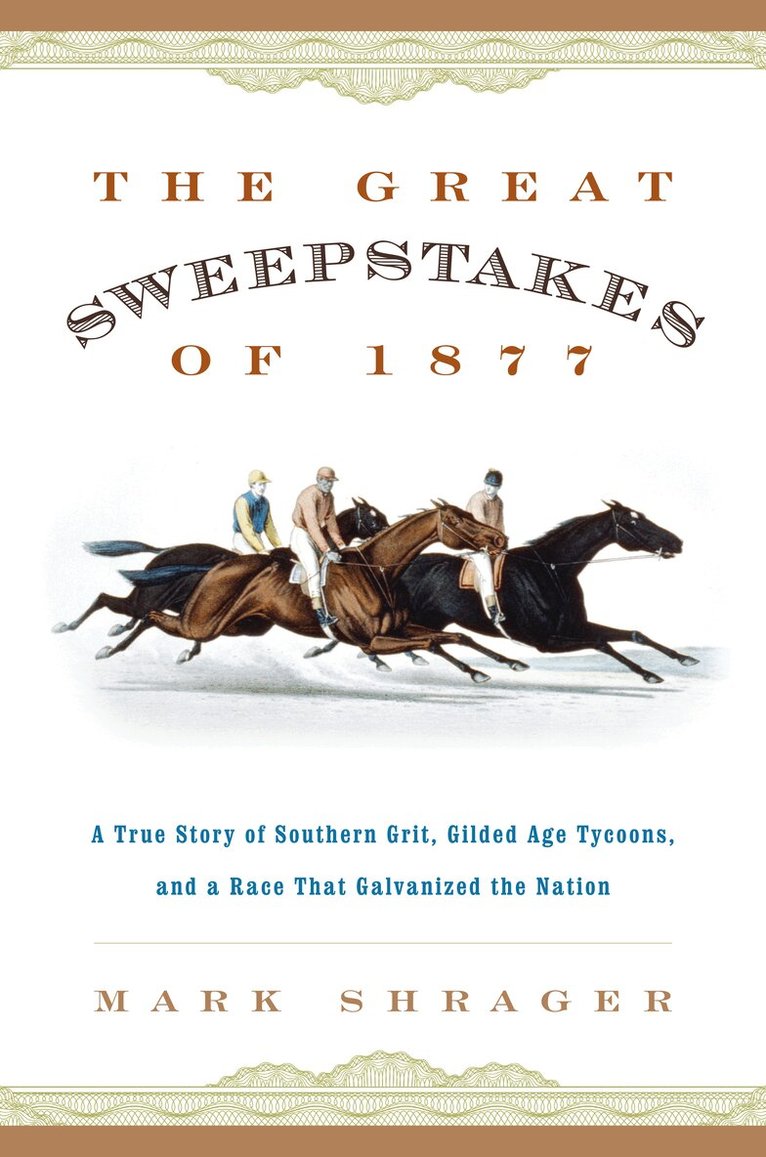
Great Sweepstakes of 1877
A True Story of Southern Grit, Gilded Age Tycoons, and a Race That Galvanized the Nation
Av Mark Shrager
E-bok, 2016
279 kr
Lägg i varukorg
In 1877 the members of the United States Senate postponed all business for the day so that they might attend a horse race—the iconic, polarizing post-Civil War event at the center of this story. The nation, still recovering from the depredations of the Civil War and the Reconstruction that …
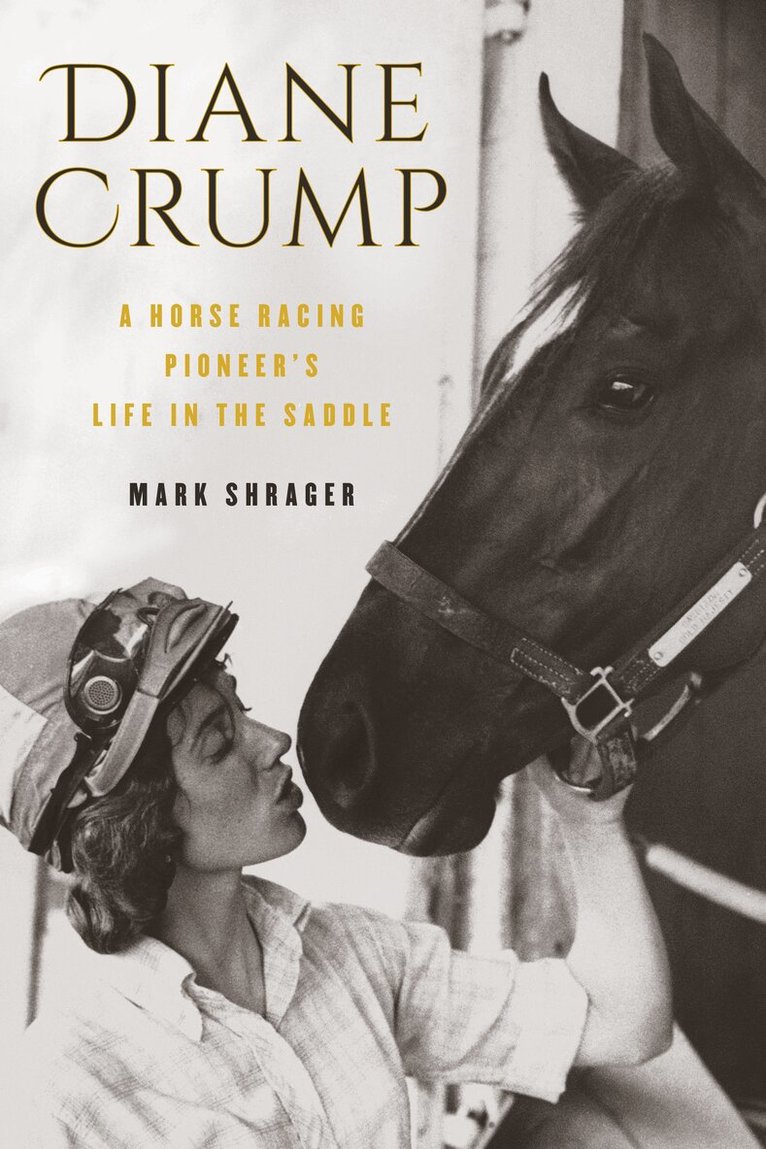
Diane Crump
A Horse-Racing Pioneer’s Life in the Saddle
Av Mark Shrager
Inbunden, 2020
362 kr
Lägg i varukorg
In 1968, a few women, mockingly labeled “jockettes” by a skeptical press, had begun demanding the right to apply for jockey licenses, citing the Civil Rights Act of 1964, which banned discrimination in hiring based on race, religion, sex, or national origin. Most of their applications were rejected …
Diane Crump
A Horse-Racing Pioneer's Life in the Saddle
Av Mark Shrager
E-bok, 2020
329 kr
Lägg i varukorg
In 1968, a few women, mockingly labeled “jockettes” by a skeptical press, had begun demanding the right to apply for jockey licenses, citing the Civil Rights Act of 1964, which banned discrimination in hiring based on race, religion, sex, or national origin. Most of their applications were rejected …
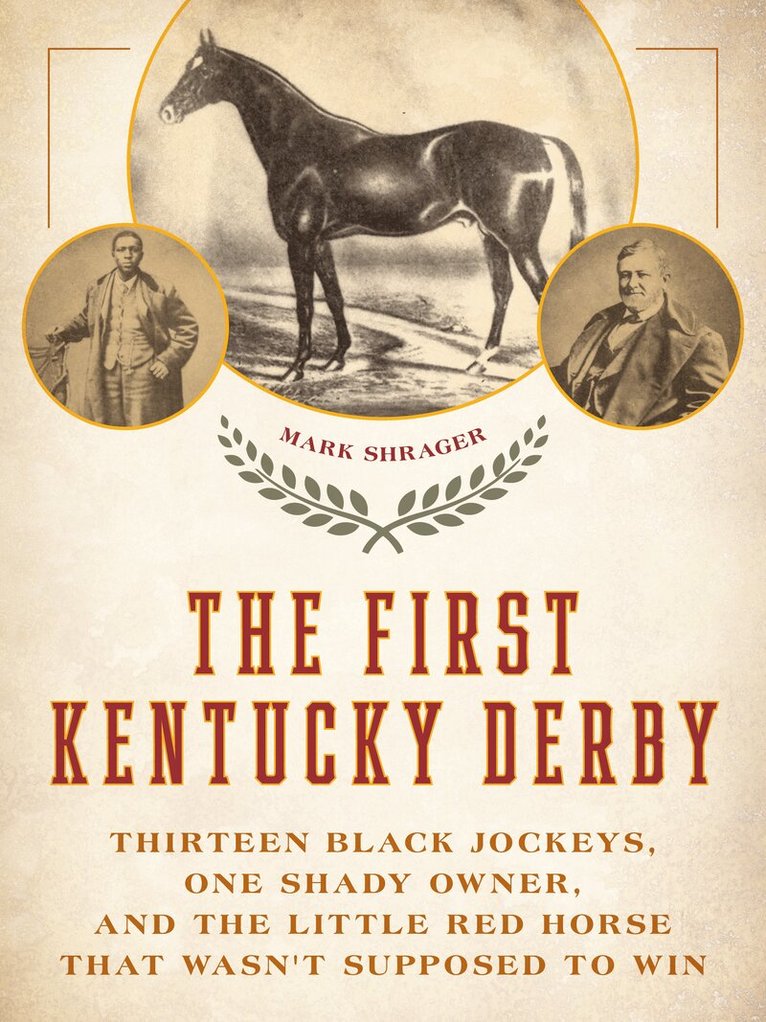
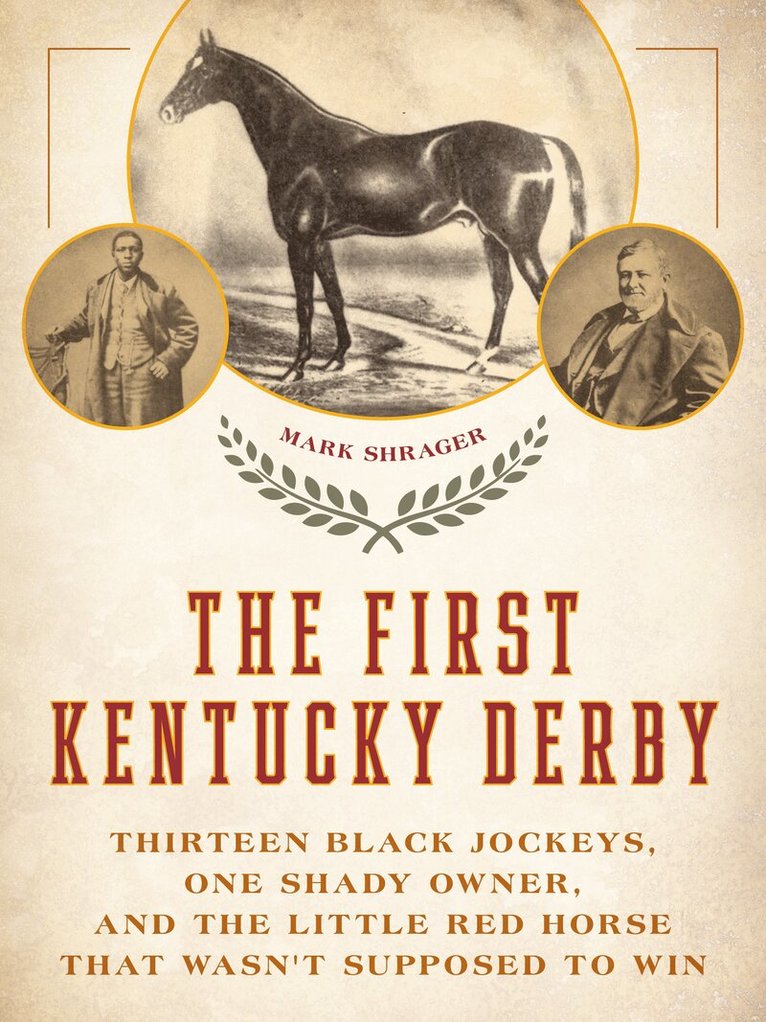
First Kentucky Derby
Thirteen Black Jockeys, One Shady Owner, and the Little Red Horse That Wasn't Supposed to Win
Av Mark Shrager
Inbunden, 2023
460 kr
Lägg i varukorg
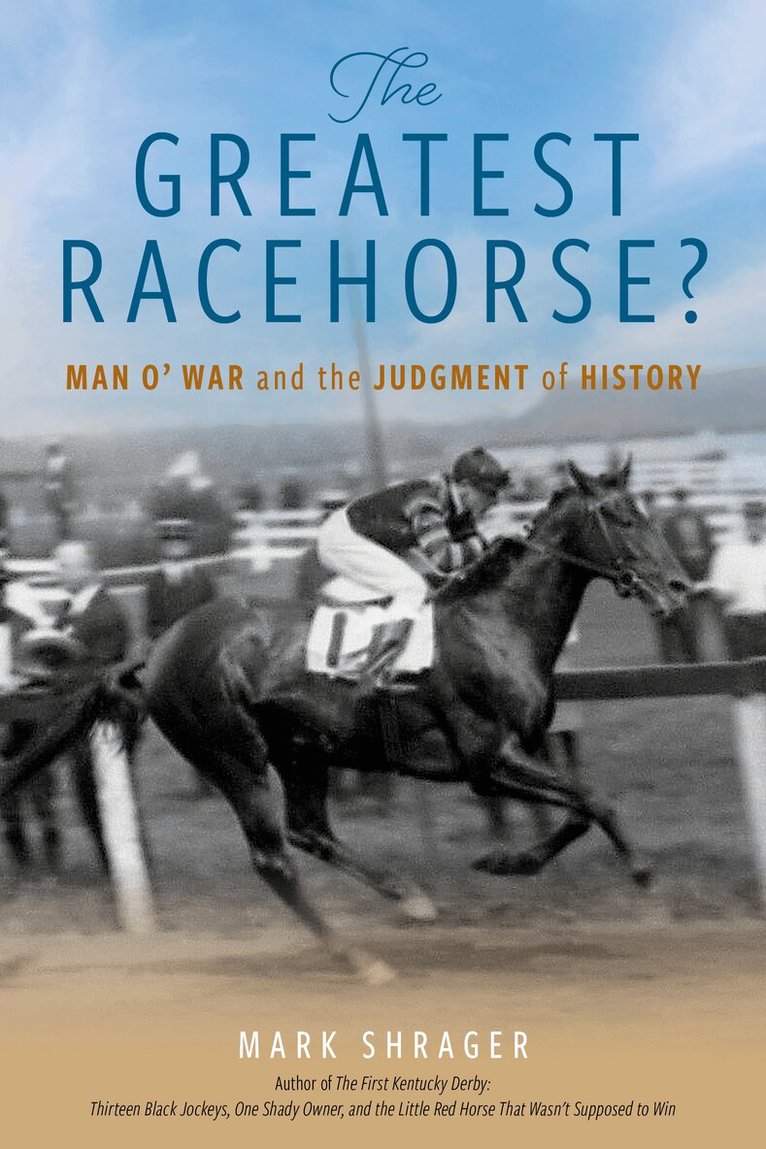
Greatest Racehorse?
Man o' War and the Judgment of History
Av Mark Shrager
Häftad, 2025
340 kr
Lägg i varukorg
“Of all the great horses which have thundered over the American Turf, one towers above the others.” When Kent Hollingsworth, editor of the preeminent racing periodical The Blood-Horse , penned this line, he was writing about Man o’ War. The champion of 1919 and 1920, Man o’ War won twenty of his …
First Kentucky Derby
Thirteen Black Jockeys, One Shady Owner, and the Little Red Horse That Wasn't Supposed to Win
Av Mark Shrager
Häftad, 2026
254 kr
Lägg i varukorg
Today’s Kentucky Derby is a multimillion-dollar spectacle involving corporate sponsorship, worldwide media coverage, and an annual citywide festival in Louisville. Over its nearly century-and-a-half history, the Kentucky Derby has grown to be one of the biggest sporting events of the year, …
Great Sweepstakes of 1877
A True Story of Southern Grit, Gilded Age Tycoons, and a Race That Galvanized the Nation
Av Mark Shrager
Häftad, 2019
232 kr
Tillfälligt slut
In 1877 the members of the United States Senate postponed all business for the day so that they might attend a horse race—the iconic, polarizing post-Civil War event at the center of this story. The nation, still recovering from the depredations of the Civil War and the Reconstruction that …