Mark W. Rosenberg – författare
3 119 kr
Skickas inom 10-15 vardagar
786 kr
Läs direkt efter köp
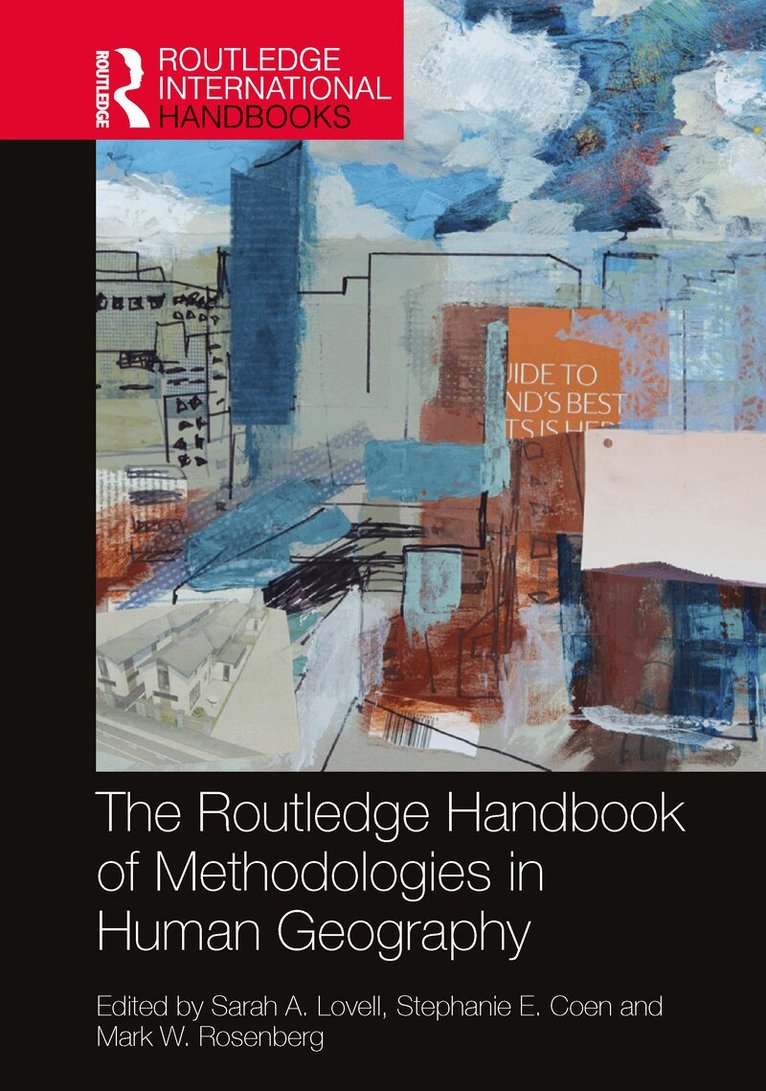
The Routledge Handbook of Methodologies in Human Geography is the defining reference for academics and postgraduate students seeking an advanced understanding of the debates, methodological developments and methods transforming research in human geography.
Divided into three sections, Part I reviews how the methods of contemporary human geography reflect the changing intellectual history of human geography and events both within human geography and society in general. In Part II, authors critically appraise key methodological and theoretical challenges and opportunities that are shaping contemporary research in various parts of human geography. Contemporary directions within the discipline are elaborated on by established and emerging researchers who are leading ontological debates and the adoption of innovative methods in geographic research. In Part III, authors explore cross-cutting methodological challenges and prompt questions about the values and goals underpinning geographical research work, such as: Who are we engaging in our research? Who is our research ‘for’? What are our relationships with communities?
Contributors emphasize examples from their research and the research of others to reflect the fluid, emotional and pragmatic realities of research. This handbook captures key methodological developments and disciplinary influences emerging from the various sub-disciplines of human geography.
779 kr
Läs direkt efter köp
The Routledge Handbook of Methodologies in Human Geography is the defining reference for academics and postgraduate students seeking an advanced understanding of the debates, methodological developments and methods transforming research in human geography.
Divided into three sections, Part I reviews how the methods of contemporary human geography reflect the changing intellectual history of human geography and events both within human geography and society in general. In Part II, authors critically appraise key methodological and theoretical challenges and opportunities that are shaping contemporary research in various parts of human geography. Contemporary directions within the discipline are elaborated on by established and emerging researchers who are leading ontological debates and the adoption of innovative methods in geographic research. In Part III, authors explore cross-cutting methodological challenges and prompt questions about the values and goals underpinning geographical research work, such as: Who are we engaging in our research? Who is our research ‘for’? What are our relationships with communities?
Contributors emphasize examples from their research and the research of others to reflect the fluid, emotional and pragmatic realities of research. This handbook captures key methodological developments and disciplinary influences emerging from the various sub-disciplines of human geography.
671 kr
Skickas inom 10-15 vardagar
1 124 kr
Skickas
432 kr
Läs direkt efter köp
How well do the places where we live support the wellbeing of older adults?
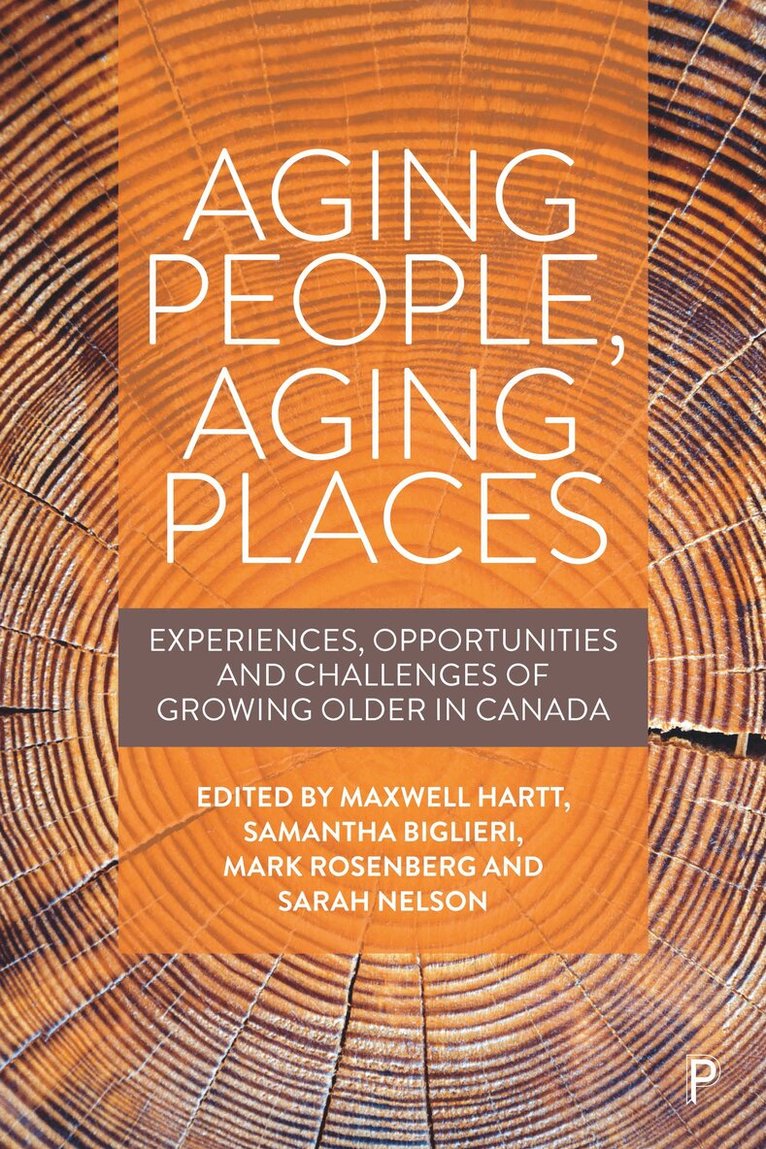
The Canadian population is growing older and is reshaping the nation’s economic, social and cultural future. However, the built and social environments of many communities, neighbourhoods and cities have not been designed to help Canadians age well.
Bringing together academic research, practitioner reflections and personal narratives from older adults across Canada, this cutting-edge text provides a rare spotlight on the local implications of aging in Canadian cities and communities. It explores employment, housing, transportation, cultural safety, health, planning and more, to provide a wide-ranging and comprehensive discussion of how to build supportive communities for Canadians of all ages.
428 kr
Läs direkt efter köp
How well do the places where we live support the wellbeing of older adults?
The Canadian population is growing older and is reshaping the nation’s economic, social and cultural future. However, the built and social environments of many communities, neighbourhoods and cities have not been designed to help Canadians age well.
Bringing together academic research, practitioner reflections and personal narratives from older adults across Canada, this cutting-edge text provides a rare spotlight on the local implications of aging in Canadian cities and communities. It explores employment, housing, transportation, cultural safety, health, planning and more, to provide a wide-ranging and comprehensive discussion of how to build supportive communities for Canadians of all ages.