Mark Weedman – författare
Visar alla böcker från författaren Mark Weedman. Handla med fri frakt och snabb leverans.
2 produkter
2 produkter
818 kr
Skickas inom 10-15 vardagar
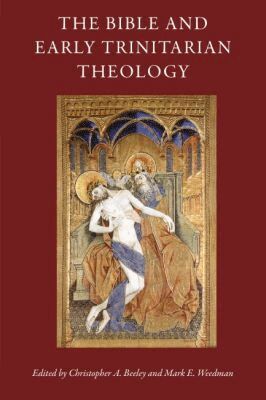
The past thirty years have seen an unprecedented level of interest in early Christian biblical interpretation, from major scholarly initiatives to more popular resources aimed at pastors and general readers. The fields of Biblical Studies and Patristics/Early Christian Studies each arrived at the study of early Christian biblical interpretation largely from their own standpoints, and they tend to operate in relative isolation from one another. This books aims to bring the two fields into closer conversation, in order to suggest new avenues into the study of the deeply biblical dimension of patristic theology as well as the contribution that patristic exegesis can make to contemporary views of how best to interpret the Bible.Based on a multi-year consultation in the Society of Biblical Literature, The Bible and Early Trinitarian Theology features leading scholars from both fields, who bring new insights to the relationship between patristic exegesis and current strategies of biblical interpretation, specifically with reference to the doctrine of the Trinity. Following an account of how each field came to study patristic exegesis, the book offers new studies of Trinitarian theology in Old Testament, Johannine, and Pauline biblical texts and the patristic interpretation of them, combining the insights of modern historical criticism with classical historical theology. It promises to make a valuable contribution to both fields, suggesting several new avenue into the study of early biblical literature and the development of Trinitarian theology.
Del 89 - Vigiliae Christianae, Supplements
Trinitarian Theology of Hilary of Poitiers
Inbunden, Engelska, 2007
2 707 kr
Skickas inom 3-6 vardagar
When Hilary of Poitiers was exiled from his native Poitiers in Gaul to Cappadocia, his entire theological sensibility changed. The Latin bishop, schooled in the tradition of Tertullian and Novatian, became a full-throated participant in the Trinitarian controversies of his time. This book offers a new reading of Hilary’s Trinitarian theology that takes into account the historical context of Hilary’s thought. It first examines this context and the course of Hilary’s engagement with his Homoian opponents. It then turns to the key themes of Hilary’s theology as he worked them out in that context. The result is a work that not only helps clarify Hilary’s theology, but that offers new insight into the Trinitarian controversies as a whole.