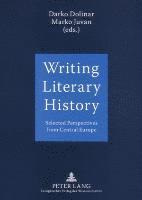
Marko Juvan – författare
Visar alla böcker från författaren Marko Juvan. Handla med fri frakt och snabb leverans.
5 produkter
5 produkter
Häftad, Engelska, 2009
466 kr
Skickas inom 11-20 vardagar
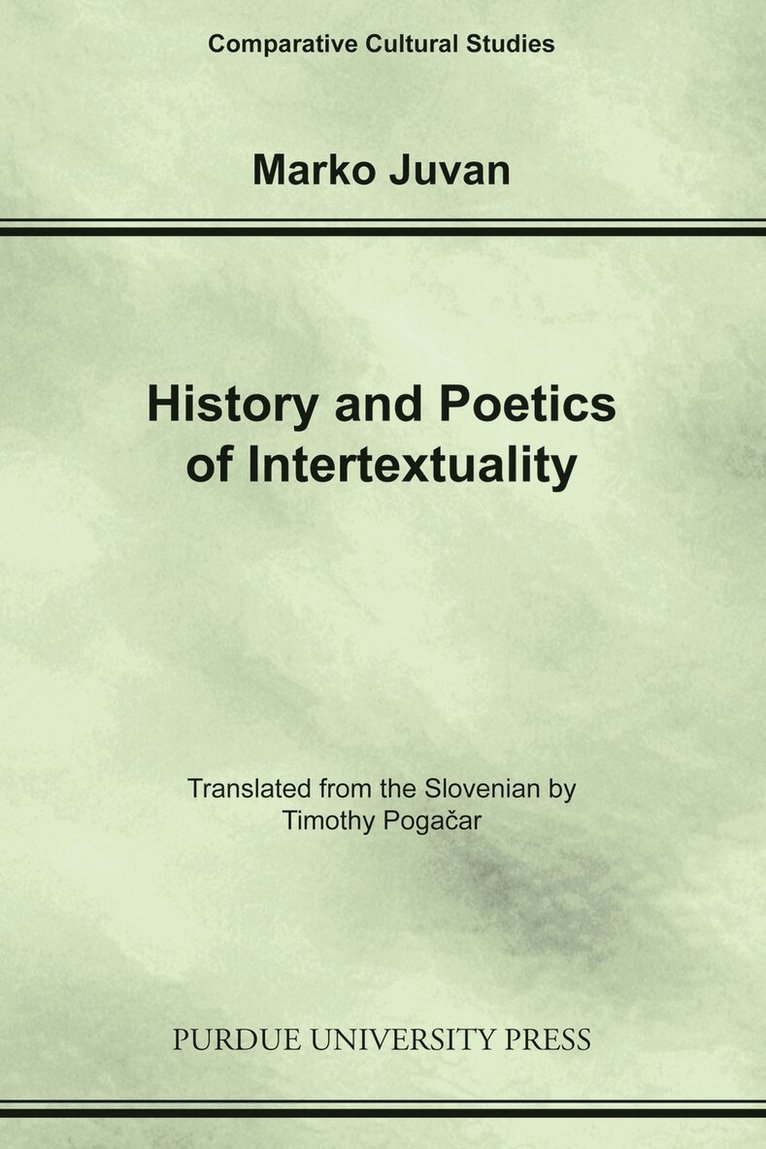
Marko Juvan's History and Poetics of Intertextuality is a revised and updated translation of his 2000 book "Intertekstualnost" (Intertextuality). In his book, Juvan argues that while intertextuality is constitutive of all textuality it may be foregrounded in certain literary works, genres, or styles (e.g., parody or allusion as forms of citationality). He surveys the field in order to ground the poetics of intertextuality in the history of its idea from Kristeva to New Historicism and citationality from Genette's late structuralism to text theory. In humanities scholarship literary studies have transformed the notion of intertextuality from its transgressive content into a detailed descriptive methodology. However, by bringing citationality into focus, they also stressed that literature is an autopoetic system, living on cultural memory, and interacting with other social discourses. The poetics of intertextuality proposed here, based mainly on semiotics, elucidates factors determining the socio-historically elusive border between general intertextuality and citationality (encyclopaedic literary competence, paratext, etc.) and explores modes of intertextual representation, stressing that pre-texts evoked or re-written in post-texts figure as interpretants of the latter and vice versa. Intertextual derivations and references, which have become common in literary culture, are finally explained as intertextual figures and genres.
Inbunden, Engelska, 2019
951 kr
Skickas inom 10-15 vardagar
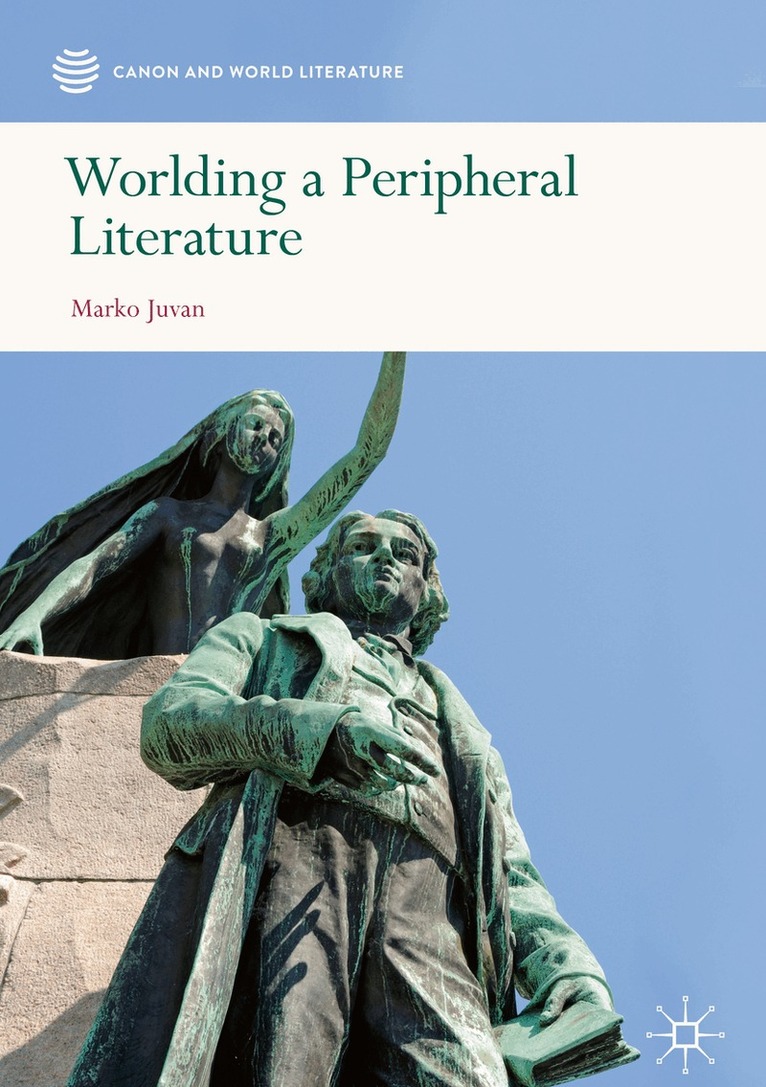
Bringing together the analyses of the literary world-system, translation studies, and the research of European cultural nationalism, this book contests the view that texts can be attributed global importance irrespective of their origin, language, and position in the international book market. Focusing on Slovenian literature, almost unknown to world literature studies, this book addresses world literature’s canonical function in the nineteenth-century process of establishing European letters as national literatures. Aware of their dependence on imperial powers, (semi)peripheral national movements sought international recognition through, among other things, the newly invented figure of the national poet. Writers central to dependent national communities were canonized to represent their respective cultures to the norm-giving Other – the emerging world literary canon and its aesthetic ideology. Hence, national literatures asserted their linguo-cultural individuality through the process of worlding; that is, by their positioning in the international literary world informed by the supposed universality of the aesthetic.
E-bok
Engelska, 20191 213 kr
Läs direkt efter köp
Bringing together the analyses of the literary world-system, translation studies, and the research of European cultural nationalism, this book contests the view that texts can be attributed global importance irrespective of their origin, language, and position in the international book market. Focusing on Slovenian literature, almost unknown to world literature studies, this book addresses world literature’s canonical function in the nineteenth-century process of establishing European letters as national literatures. Aware of their dependence on imperial powers, (semi)peripheral national movements sought international recognition through, among other things, the newly invented figure of the national poet. Writers central to dependent national communities were canonized to represent their respective cultures to the norm-giving Other – the emerging world literary canon and its aesthetic ideology. Hence, national literatures asserted their linguo-cultural individuality through the process of worlding; that is, by their positioning in the international literary world informed by the supposed universality of the aesthetic.
Häftad, Engelska, 2020
951 kr
Skickas inom 10-15 vardagar
Bringing together the analyses of the literary world-system, translation studies, and the research of European cultural nationalism, this book contests the view that texts can be attributed global importance irrespective of their origin, language, and position in the international book market. Focusing on Slovenian literature, almost unknown to world literature studies, this book addresses world literature’s canonical function in the nineteenth-century process of establishing European letters as national literatures. Aware of their dependence on imperial powers, (semi)peripheral national movements sought international recognition through, among other things, the newly invented figure of the national poet. Writers central to dependent national communities were canonized to represent their respective cultures to the norm-giving Other – the emerging world literary canon and its aesthetic ideology. Hence, national literatures asserted their linguo-cultural individuality through the process of worlding; that is, by their positioning in the international literary world informed by the supposed universality of the aesthetic.
Häftad, Engelska, 2006
740 kr
Tillfälligt slut