Markus J. Buehler – författare
Visar alla böcker från författaren Markus J. Buehler. Handla med fri frakt och snabb leverans.
10 produkter
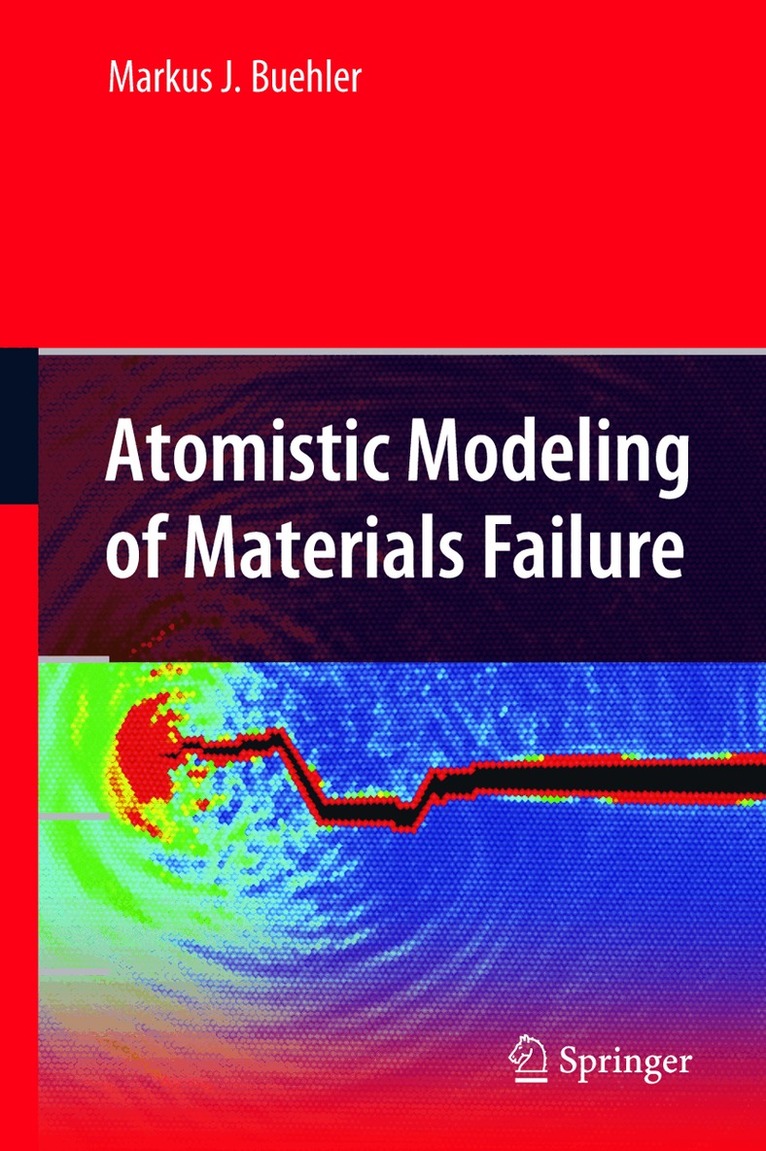
Atomistic Modeling of Materials Failure
Inbunden, 2008
1638 kr
Lägg i varukorg
Atomistic Modeling of Materials Failure is an introduction to molecular and atomistic modeling techniques applied to solid fracture and deformation. Focusing on a variety of brittle, ductile, geometrically confined and biological materials, this detailed overview includes computational methods at …
Atomistic Modeling of Materials Failure
E-bok, 2008
2111 kr
Lägg i varukorg
Atomistic Modeling of Materials Failure is an introduction to molecular and atomistic modeling techniques applied to solid fracture and deformation. Focusing on a variety of brittle, ductile, geometrically confined and biological materials, this detailed overview includes computational methods at …
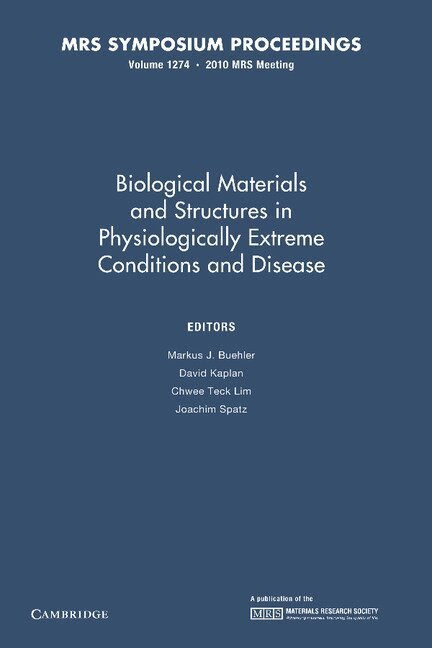
Biological Materials and Structures in Physiologically Extreme Conditions and Disease: Volume 1274
Av Markus J. Buehler, David Kaplan m. fl.
Häftad, 2014
471 kr
Lägg i varukorg
The MRS Symposium Proceeding series is an internationally recognised reference suitable for researchers and practitioners.
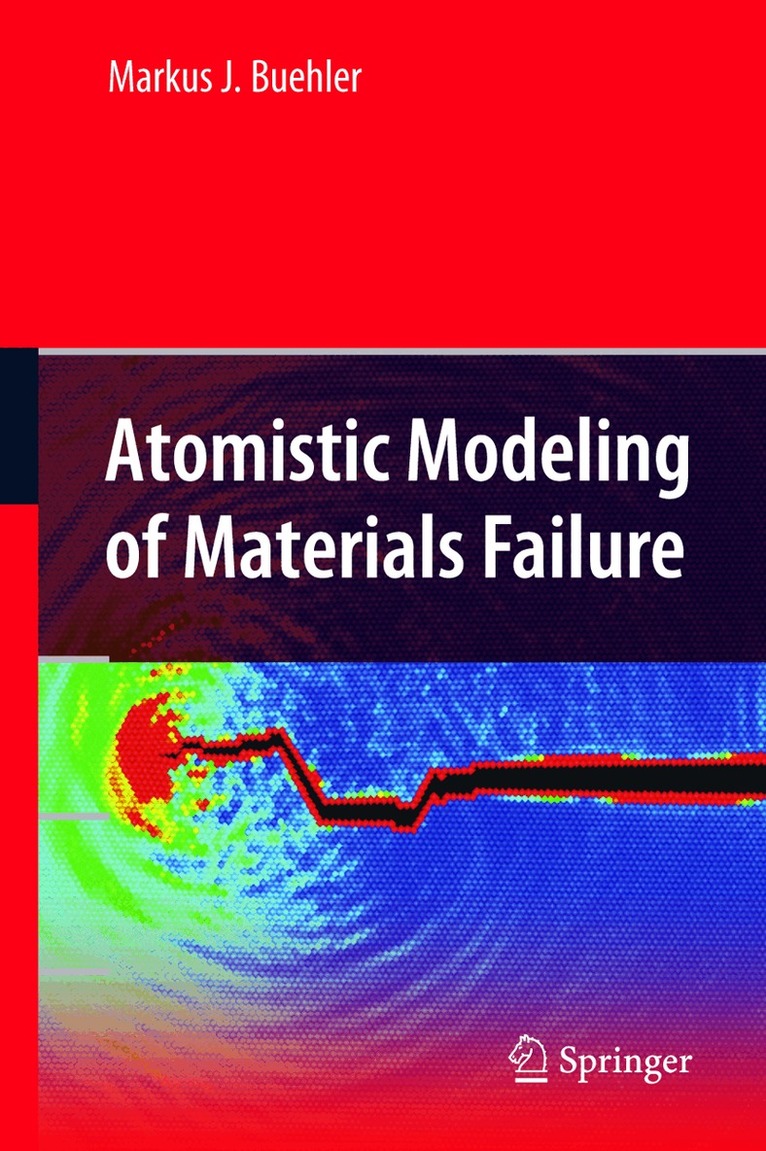
Atomistic Modeling of Materials Failure
Häftad, 2010
1638 kr
Lägg i varukorg
Atomistic Modeling of Materials Failure is an introduction to molecular and atomistic modeling techniques applied to solid fracture and deformation. Focusing on a variety of brittle, ductile, geometrically confined and biological materials, this detailed overview includes computational methods at …
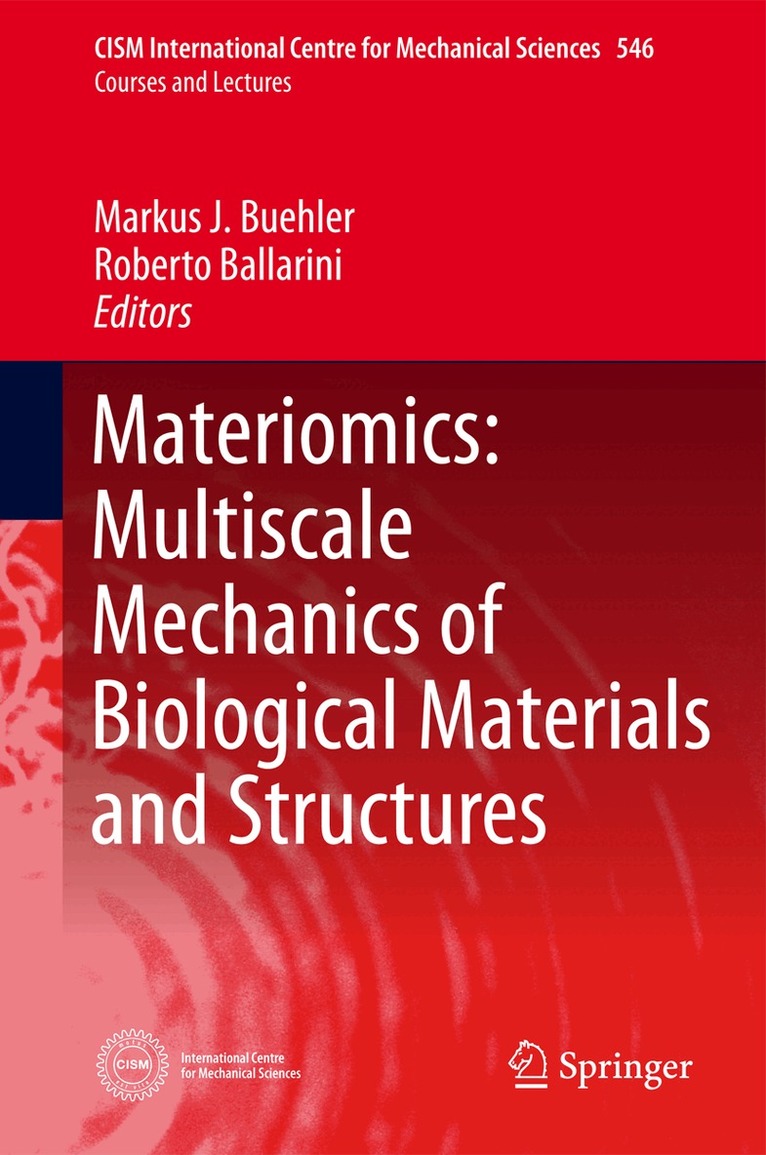
Materiomics: Multiscale Mechanics of Biological Materials and Structures
Av Markus J. Buehler, Roberto Ballarini
Inbunden, 2013
1371 kr
Lägg i varukorg
Multiscale mechanics of hierarchical materials plays a crucial role in understanding and engineering biological and bioinspired materials and systems. The mechanical science of hierarchical tissues and cells in biological systems has recently emerged as an exciting area of research and provides …
Materiomics: Multiscale Mechanics of Biological Materials and Structures
Av Roberto Ballarini, Markus J. Buehler
E-bok, 2013
1459 kr
Lägg i varukorg
Multiscale mechanics of hierarchical materials plays a crucial role in understanding and engineering biological and bioinspired materials and systems. The mechanical science of hierarchical tissues and cells in biological systems has recently emerged as an exciting area of research and provides …
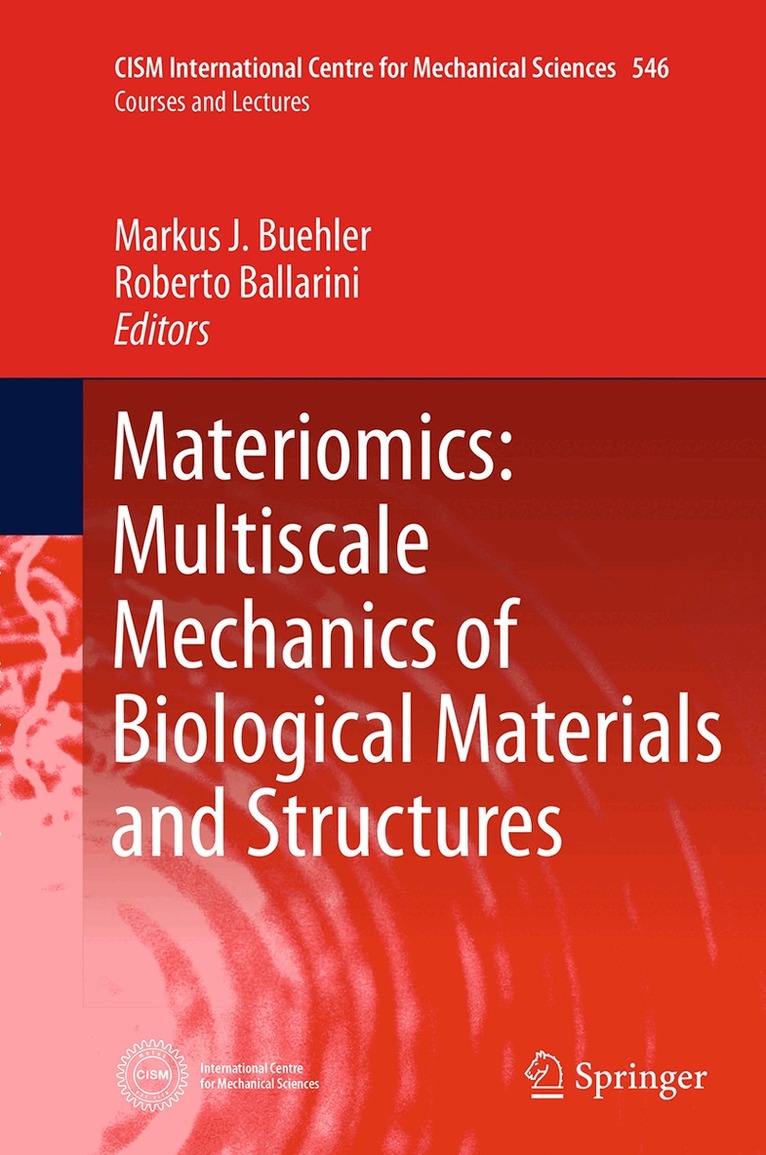
Materiomics: Multiscale Mechanics of Biological Materials and Structures
Av Markus J. Buehler, Roberto Ballarini
Häftad, 2016
1371 kr
Lägg i varukorg
Multiscale mechanics of hierarchical materials plays a crucial role in understanding and engineering biological and bioinspired materials and systems. The mechanical science of hierarchical tissues and cells in biological systems has recently emerged as an exciting area of research and provides …
Biomateriomics
Av Steven W. Cranford, Markus J. Buehler
Inbunden, 2012
1687 kr
Lägg i varukorg
Biomateriomics is the holistic study of biological material systems. While such systems are undoubtedly complex, we frequently encounter similar components -- universal building blocks and hierarchical structure motifs -- which result in a diverse set of functionalities. Similar to the way music or …
Biomateriomics
Av Markus J. Buehler, Steven W. Cranford
E-bok, 2012
2174 kr
Lägg i varukorg
Biomateriomics is the holistic study of biological material systems. While such systems are undoubtedly complex, we frequently encounter similar components -- universal building blocks and hierarchical structure motifs -- which result in a diverse set of functionalities. Similar to the way music or …
Biomateriomics
Av Steven W. Cranford, Markus J. Buehler
Häftad, 2014
1687 kr
Lägg i varukorg
Biomateriomics is the holistic study of biological material systems. While such systems are undoubtedly complex, we frequently encounter similar components -- universal building blocks and hierarchical structure motifs -- which result in a diverse set of functionalities. Similar to the way music or …