Markus J Prutsch – författare
Visar alla böcker från författaren Markus J Prutsch. Handla med fri frakt och snabb leverans.
9 produkter
9 produkter
E-bok
PDF, Engelska, 20141 375 kr
Läs direkt efter köp
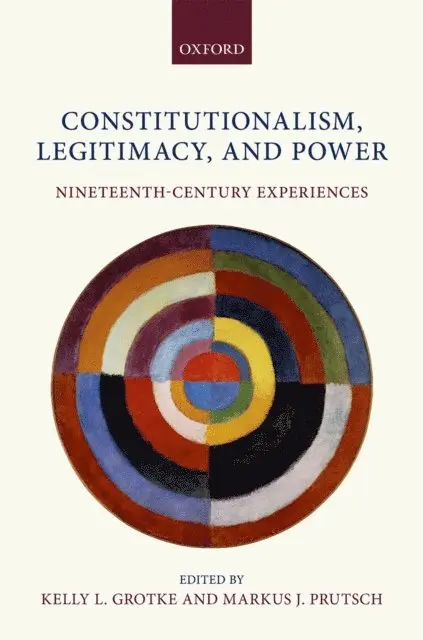
If one counts the production of constitutional documents alone, the nineteenth century can lay claim to being a ''constitutional age''; one in which the generation and reception of constitutional texts served as a centre of gravity around which law and politics consistently revolved. This volume critically re-examines the role of constitutionalism in that period, in order to counter established teleological narratives that imply a consistent development from absolutismtowards inclusive, participatory democracy. Various aspects of constitutional histories within and outside of Europe are examined from a comparative, transnational, and multidisciplinary historical perspective, organized around five key themes. The first part looks at constitutions asanti-revolutionary devices, and addresses state building, monarchical constitutionalism, and restorations. The second part takes up constitutions and the justification of new social inequalities, focusing on women''s suffrage, human rights, and property. The third part uses individual country studies to take on questions of how constitutions served to promote nationalism. The use of constitutions as instruments of imperialism is covered in the fourth part, and the final part examines the waysthat constitutions function simultaneously as legal and political texts.These themes reflect a certain scepticism regarding any easy relationship between stated constitutional ideals and enacted constitutional practices. Taken together, they also function as a general working hypothesis about the role of constitutions in the establishment and maintenance of a domestically and internationally imbalanced status quo, of which we are the present-day inheritors. More particularly, this volume addresses the question of the extent to which nineteenth-centuryconstitutionalism may have set the stage for new forms of domination and discrimination, rather than inaugurating a period of ''progress'' and increasing equality.
E-bok
Engelska, 20141 375 kr
Läs direkt efter köp
If one counts the production of constitutional documents alone, the nineteenth century can lay claim to being a ''constitutional age''; one in which the generation and reception of constitutional texts served as a centre of gravity around which law and politics consistently revolved. This volume critically re-examines the role of constitutionalism in that period, in order to counter established teleological narratives that imply a consistent development from absolutismtowards inclusive, participatory democracy. Various aspects of constitutional histories within and outside of Europe are examined from a comparative, transnational, and multidisciplinary historical perspective, organized around five key themes. The first part looks at constitutions asanti-revolutionary devices, and addresses state building, monarchical constitutionalism, and restorations. The second part takes up constitutions and the justification of new social inequalities, focusing on women''s suffrage, human rights, and property. The third part uses individual country studies to take on questions of how constitutions served to promote nationalism. The use of constitutions as instruments of imperialism is covered in the fourth part, and the final part examines the waysthat constitutions function simultaneously as legal and political texts.These themes reflect a certain scepticism regarding any easy relationship between stated constitutional ideals and enacted constitutional practices. Taken together, they also function as a general working hypothesis about the role of constitutions in the establishment and maintenance of a domestically and internationally imbalanced status quo, of which we are the present-day inheritors. More particularly, this volume addresses the question of the extent to which nineteenth-centuryconstitutionalism may have set the stage for new forms of domination and discrimination, rather than inaugurating a period of ''progress'' and increasing equality.
Inbunden, Engelska, 2014
2 107 kr
Skickas inom 5-8 vardagar
If one counts the production of constitutional documents alone, the nineteenth century can lay claim to being a 'constitutional age'; one in which the generation and reception of constitutional texts served as a centre of gravity around which law and politics consistently revolved. This volume critically re-examines the role of constitutionalism in that period, in order to counter established teleological narratives that imply a consistent development from absolutism towards inclusive, participatory democracy. Various aspects of constitutional histories within and outside of Europe are examined from a comparative, transnational, and multidisciplinary historical perspective, organized around five key themes. The first part looks at constitutions as anti-revolutionary devices, and addresses state building, monarchical constitutionalism, and restorations. The second part takes up constitutions and the justification of new social inequalities, focusing on women's suffrage, human rights, and property. The third part uses individual country studies to take on questions of how constitutions served to promote nationalism. The use of constitutions as instruments of imperialism is covered in the fourth part, and the final part examines the ways that constitutions function simultaneously as legal and political texts. These themes reflect a certain scepticism regarding any easy relationship between stated constitutional ideals and enacted constitutional practices. Taken together, they also function as a general working hypothesis about the role of constitutions in the establishment and maintenance of a domestically and internationally imbalanced status quo, of which we are the present-day inheritors. More particularly, this volume addresses the question of the extent to which nineteenth-century constitutionalism may have set the stage for new forms of domination and discrimination, rather than inaugurating a period of 'progress' and increasing equality.
Häftad, Engelska, 2021
476 kr
Skickas inom 10-15 vardagar
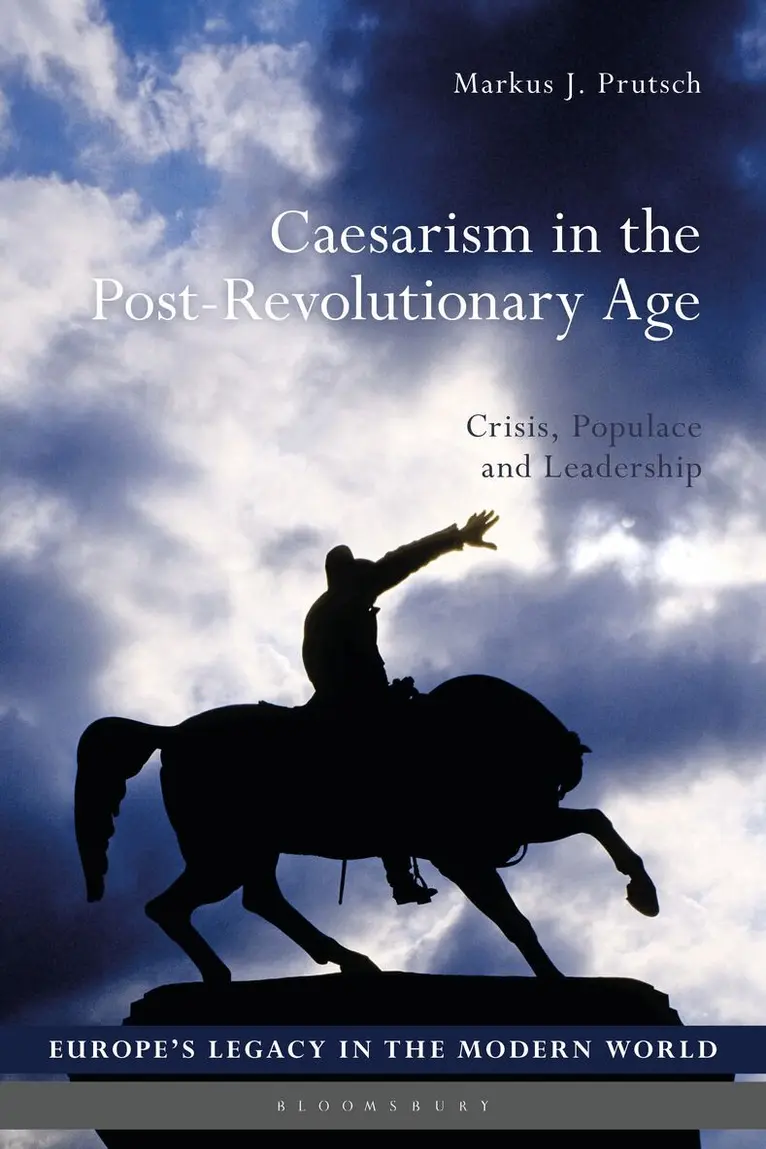
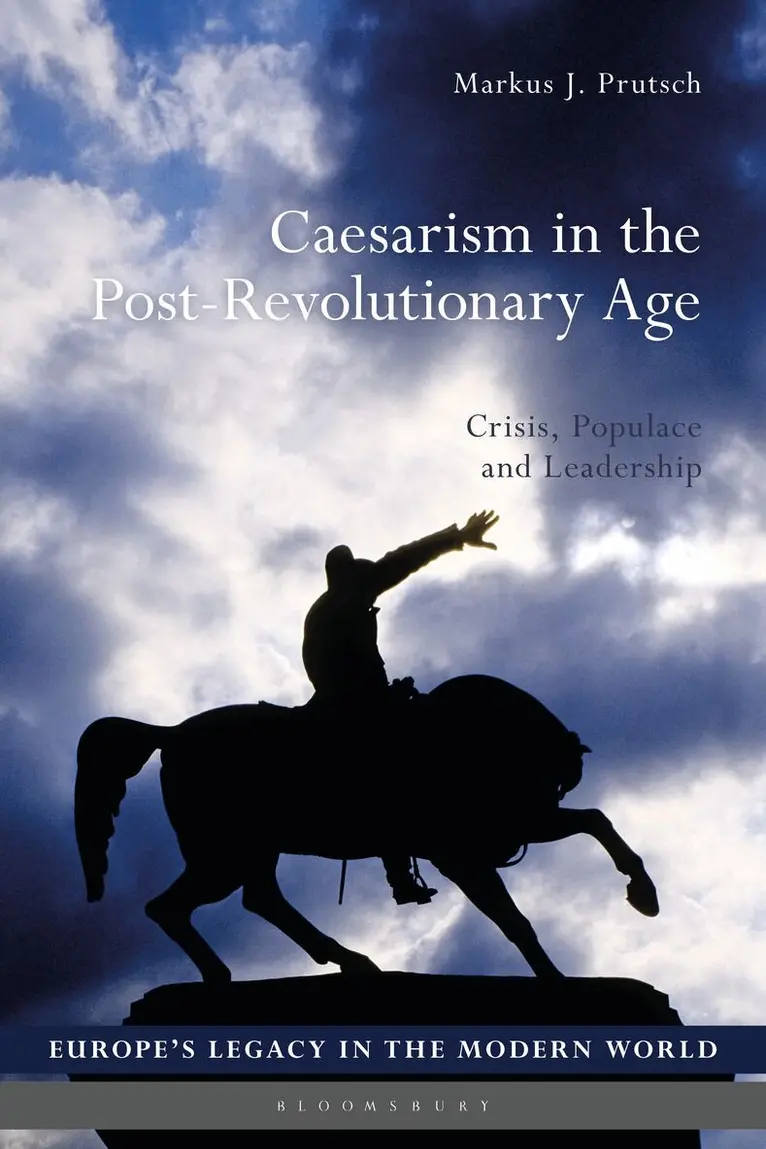
This book is open access and available on www.bloomsburycollections.com. It is funded by Knowledge Unlatched.Debates about the legitimacy and ‘essence’ of political rule and the search for ‘ideal’ forms of government have been at the very heart of political thought ever since antiquity. Caesarism in the Post-Revolutionary Age explores the complex relationship between democracy and dictatorship from the 18th century onwards. More concretely, it assesses how democracy emerged as something compatible with dictatorship, both at the level of political thought and practice. Taking Caesarism – a political alternative somewhere between democracy and dictatorship – as its key concept, the book considers: * To what extent was Caesarism seen as a new post-revolutionary form of rule?* What were the flaws and perils, strengths and promises of Caesaristic regimes?* Can 19th-century Caesarism be characterised as a ‘prelude’ to 20th-century totalitarianism?* What is the legacy and ongoing appeal of Caesarism in the contemporary world?This study will be of value to anyone interested in modern political history, but also contemporary politics.
Inbunden, Engelska, 2019
1 711 kr
Skickas inom 10-15 vardagar
This book is open access and available on www.bloomsburycollections.com. It is funded by Knowledge Unlatched.Debates about the legitimacy and ‘essence’ of political rule and the search for ‘ideal’ forms of government have been at the very heart of political thought ever since antiquity. Caesarism in the Post-Revolutionary Age explores the complex relationship between democracy and dictatorship from the 18th century onwards. More concretely, it assesses how democracy emerged as something compatible with dictatorship, both at the level of political thought and practice. Taking Caesarism – a political alternative somewhere between democracy and dictatorship – as its key concept, the book considers: * To what extent was Caesarism seen as a new post-revolutionary form of rule?* What were the flaws and perils, strengths and promises of Caesaristic regimes?* Can 19th-century Caesarism be characterised as a ‘prelude’ to 20th-century totalitarianism?* What is the legacy and ongoing appeal of Caesarism in the contemporary world?This study will be of value to anyone interested in modern political history, but also contemporary politics.
Inbunden, Engelska, 2019
1 306 kr
Skickas inom 10-15 vardagar
This study explores the dynamic relationship between science, numbers and politics. What can scientific evidence realistically do in and for politics? The volume contributes to that debate by focusing on the role of “numbers” as a means by which knowledge is expressed and through which that knowledge can be transferred into the political realm. Based on the assumption that numbers are constantly being actively created, translated, and used, and that they need to be interpreted in their respective and particular contexts, it examines how numbers and quantifications are made ‘politically workable’, examining their production, their transition into the sphere of politics and their eventual use therein. Key questions that are addressed include: In what ways does scientific evidence affect political decision-making in the contemporary world? How and why did quantification come to play such an important role within democratic politics? What kind of work do scientific evidenceand numbers do politically?
E-bok
Engelska, 20191 672 kr
Läs direkt efter köp
This study explores the dynamic relationship between science, numbers and politics. What can scientific evidence realistically do in and for politics? The volume contributes to that debate by focusing on the role of “numbers” as a means by which knowledge is expressed and through which that knowledge can be transferred into the political realm. Based on the assumption that numbers are constantly being actively created, translated, and used, and that they need to be interpreted in their respective and particular contexts, it examines how numbers and quantifications are made ‘politically workable’, examining their production, their transition into the sphere of politics and their eventual use therein. Key questions that are addressed include: In what ways does scientific evidence affect political decision-making in the contemporary world? How and why did quantification come to play such an important role within democratic politics? What kind of work do scientific evidenceand numbers do politically?
Inbunden, Tyska, 2023
1 258 kr
Skickas inom 10-15 vardagar
Diese Studie untersucht die dynamische Beziehung zwischen Wissenschaft, Zahlen und Politik. Was können wissenschaftliche Erkenntnisse realistischerweise in und für die Politik tun? Der Band leistet einen Beitrag zu dieser Debatte, indem er sich auf die Rolle von "Zahlen" als Mittel konzentriert, mit dem Wissen ausgedrückt wird und durch das dieses Wissen in den politischen Bereich übertragen werden kann. Ausgehend von der Annahme, dass Zahlen ständig aktiv geschaffen, übersetzt und verwendet werden und dass sie in ihren jeweiligen Kontexten interpretiert werden müssen, wird untersucht, wie Zahlen und Quantifizierungen "politisch nutzbar" gemacht werden, indem ihre Produktion, ihr Übergang in die Sphäre der Politik und ihre letztendliche Verwendung darin untersucht werden. Zu den zentralen Fragen, die behandelt werden, gehören: Auf welche Weise beeinflussen wissenschaftliche Erkenntnisse die politische Entscheidungsfindung in der heutigen Welt? Wie und warum hat Quantifizierung in der demokratischen Politik eine so wichtige Rolle gespielt? Was leisten wissenschaftliche Erkenntnisse und Zahlen in der Politik?
E-bok
Tyska, 20231 214 kr
Läs direkt efter köp
Diese Studie untersucht die dynamische Beziehung zwischen Wissenschaft, Zahlen und Politik. Was können wissenschaftliche Erkenntnisse realistischerweise in und für die Politik tun? Der Band leistet einen Beitrag zu dieser Debatte, indem er sich auf die Rolle von "Zahlen" als Mittel konzentriert, mit dem Wissen ausgedrückt wird und durch das dieses Wissen in den politischen Bereich übertragen werden kann. Ausgehend von der Annahme, dass Zahlen ständig aktiv geschaffen, übersetzt und verwendet werden und dass sie in ihren jeweiligen Kontexten interpretiert werden müssen, wird untersucht, wie Zahlen und Quantifizierungen "politisch nutzbar" gemacht werden, indem ihre Produktion, ihr Übergang in die Sphäre der Politik und ihre letztendliche Verwendung darin untersucht werden. Zu den zentralen Fragen, die behandelt werden, gehören: Auf welche Weise beeinflussen wissenschaftliche Erkenntnisse die politische Entscheidungsfindung in der heutigen Welt? Wie und warum hat Quantifizierung in der demokratischen Politik eine so wichtige Rolle gespielt? Was leisten wissenschaftliche Erkenntnisse und Zahlen in der Politik?