Markus Jäger – författare
Visar alla böcker från författaren Markus Jäger. Handla med fri frakt och snabb leverans.
4 produkter
Wirtschafts- und Steuerstrafrecht
Av Jürgen Peter Graf, Markus Jäger m. fl.
Inbunden, 2024
5707 kr
Lägg i varukorg
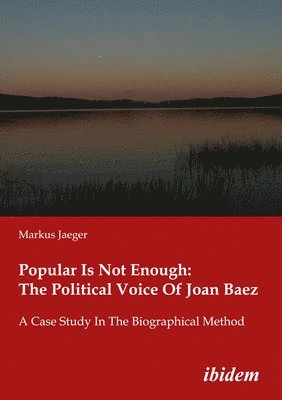
Popular Is Not Enough: The Political Voice Of Jo – A Case Study In The Biographical Method
Häftad, 2021
804 kr
Lägg i varukorg
In his study, Markus Jäger explores the coalescence of Joan Baez's work as a singer and songwriter with her endeavours as a political activist throughout the last fifty years. He illustrates an American popular singer's significance as a political activist - for her audiences and for her opponents …
Popular Is Not Enough: The Political Voice Of Joan Baez
A Case Study In The Biographical Method
Häftad, 2021
736 kr
Lägg i varukorg
Markus Jaeger explores the coalescence of Joan Baez's work as a singer and songwriter with her endeavors as a political activist throughout the last sixty years. He illustrates an American popular singer's significance as a political activist—for her audiences and for her opponents as well as for …
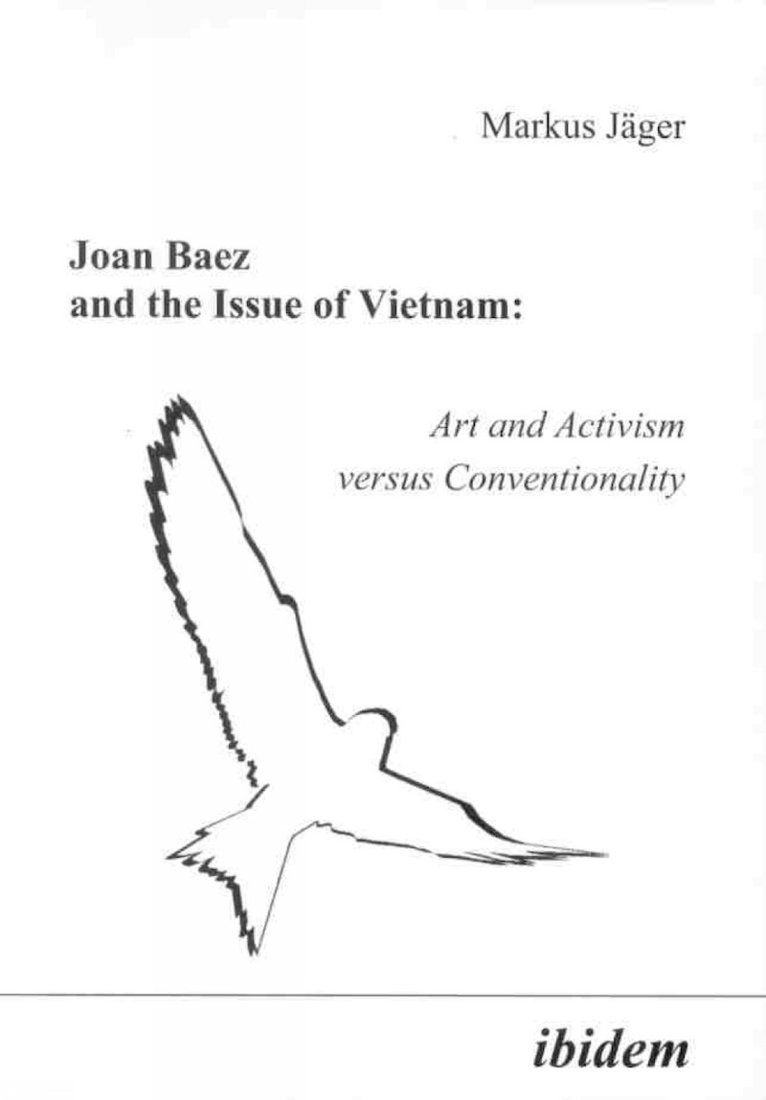
Joan Baez and the Issue of Vietnam
Art and Activism versus Conventionality
Av Markus Jäger
Häftad, 2003
178 kr
Lägg i varukorg
Markus Jäger wrote a detailed study on the way singer and activist Joan Baez combined two outstanding components of peace studies – art and activism – to protest against the Vietnam War. The study shows that the 1960s (and early 1970s) are by far more than an era of hippies; overloaded with …