Markus Trunk – författare
Visar alla böcker från författaren . Handla med fri frakt och snabb leverans.
3 produkter
3 produkter
E-bok
PDF, Spanska, 20241 019 kr
Läs direkt efter köp
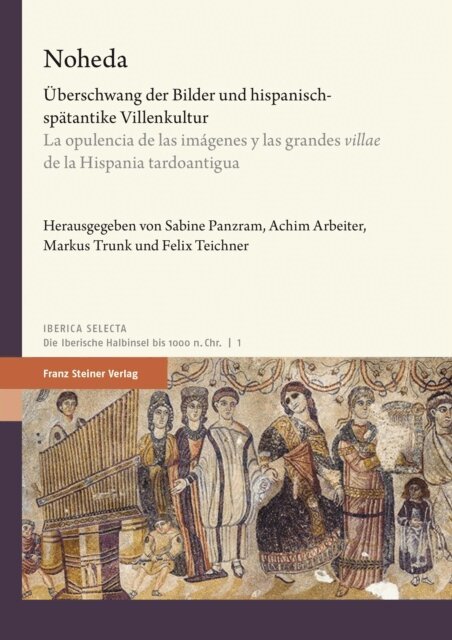
Die Entdeckung "spektakulärer, herausragender und einzigartiger" Mosaike in der spätantiken Villa von Noheda in der Provinz Cuenca (Villar de Domingo García) hat in der internationalen Fachwelt für Aufsehen gesorgt. Hinsichtlich Erhaltung, Qualität und Ikonographie gelten die Bodenmosaiken mit ihrem vorwiegend mythologischen Bildinventar als Sensation. Woher rührt diese scheinbare Einzigartigkeit? Wie viel Konventionalität verbirgt sie? Wie sind die Mosaiken im Kontext der Instrumentalisierung mythologischer Mosaikbilder als raumdefinierender Dekor spätantiker Wohnarchitektur zu bewerten?Die Beiträge präsentieren den Befund von Noheda und ordnen ihn in die Villeggiatur der Iberischen Halbinsel ein. Mit einem interdisziplinären und epochenübergreifenden Ansatz eröffnen sie erstmals Perspektiven für strukturell vergleichende Analysen unter anderem hinsichtlich der Monumentalität der Anwesen, ihrer architektonischen Gestaltung und ihrer Wohnkultur.Der "Überschwang der Bilder" eröffnet die Reihe "Iberica Selecta", die ein Forum für alle Gebiete der Altertumswissenschaften bietet, die sich der Erforschung der Iberischen Halbinsel widmen.
Del 3 - Iberica Selecta
Conditoria Provinciarum: Roman Sarcophagi in the Provinces / El Sarcofago Romano En Las Provincias
Inbunden, Tyska, 2025
1 029 kr
Skickas inom 3-6 vardagar
E-bok
PDF, Engelska, 2025866 kr
Läs direkt efter köp
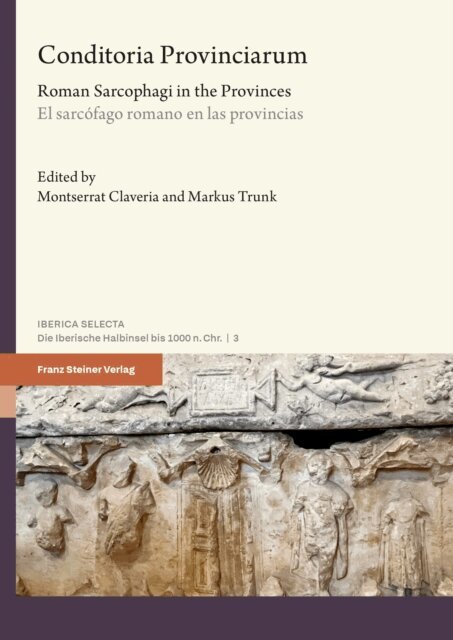
Roman sarcophagi belong to the most important group of monuments in Roman art. This volume includes new findings and research on their shapes and use as well as regional differences in the provinces of the Roman Empire. The geographic scope ranges from Judaea (Jerusalem) via Asia Minor (Ephesos), Greece and Macedonia, Moesia and Pannonia to Italy, Gallia and finally the Iberian Peninsula, the time frame stretches from the earliest Roman sarcophagi burials to late antiquity. In addition, the volume brings forward results of archaeometric analysis as well as epigraphic evidence. Questions about polychromy are also considered, just like problems of restoration and storage of sarcophagi, including their reception, reutilization and importance in European collections of the 18th and 20th century. Thus, the articles represent a current review of the state of research on the field of sarcophagi research in the Roman provinces.