Marsha Aileen Hewitt - Böcker
Visar alla böcker från författaren Marsha Aileen Hewitt. Handla med fri frakt och snabb leverans.
5 produkter
5 produkter
201 kr
Skickas inom 5-8 vardagar
Legacies of the Occult
Psychoanalysis, Religion, and Unconscious Communication
Inbunden, Engelska, 2020
1 177 kr
Skickas inom 5-8 vardagar
Telepathy, thought transference, unconscious communication. While some important early psychological theorists such as William James, Frederic W. H. Myers and Sigmund Freud all agreed that the phenomenon exists, their theoretical approaches to it were very different. James's and Myers's interpretations of and experimental investigations into telepathy or thought transference were an inextricable part of their psychical researches. Freud's insistence on the reality of thought transference had nothing to do with psychical research or paranormal phenomena, which he largely repudiated. Thought transference for Freud was located in a theory of the unconscious that was radically different from the subliminal mind embraced by James and Myers. Today thought transference is most commonly described as unconscious communication but was largely ignored by subsequent generations of psychoanalysts until most recently. Nonetheless, the recognition of unconscious communication has persisted as a subterranean, quasi-spiritual presence in psychoanalysis to this day. As psychoanalysis becomes more interested in unconscious communication and develops theories of loosely boundaried subjectivities that open up to transcendent dimensions of reality, it begins to assume the features of a religious psychology. Thus, a fuller understanding of how unconscious communication resonates with mystical overtones may be more deeply clarified, articulated and elaborated in contemporary psychoanalysis in an explicit dialogue with psychoanalytically literate scholars of religion. In Legacies of the Occult Marsha Aileen Hewitt argues that some of the leading theorists of unconscious communication represent a 'mystical turn' that is infused with both a spirituality and a revitalized interest in paranormal experience that is far closer to James and Myers than to Freud.
401 kr
Skickas inom 5-8 vardagar
Telepathy, thought transference, unconscious communication. While some important early psychological theorists such as William James, Frederic W. H. Myers and Sigmund Freud all agreed that the phenomenon exists, their theoretical approaches to it were very different. James's and Myers's interpretations of and experimental investigations into telepathy or thought transference were an inextricable part of their psychical researches. Freud's insistence on the reality of thought transference had nothing to do with psychical research or paranormal phenomena, which he largely repudiated. Thought transference for Freud was located in a theory of the unconscious that was radically different from the subliminal mind embraced by James and Myers. Today thought transference is most commonly described as unconscious communication but was largely ignored by subsequent generations of psychoanalysts until most recently. Nonetheless, the recognition of unconscious communication has persisted as a subterranean, quasi-spiritual presence in psychoanalysis to this day. As psychoanalysis becomes more interested in unconscious communication and develops theories of loosely boundaried subjectivities that open up to transcendent dimensions of reality, it begins to assume the features of a religious psychology. Thus, a fuller understanding of how unconscious communication resonates with mystical overtones may be more deeply clarified, articulated and elaborated in contemporary psychoanalysis in an explicit dialogue with psychoanalytically literate scholars of religion. In Legacies of the Occult Marsha Aileen Hewitt argues that some of the leading theorists of unconscious communication represent a 'mystical turn' that is infused with both a spirituality and a revitalized interest in paranormal experience that is far closer to James and Myers than to Freud.
2 104 kr
Skickas inom 10-15 vardagar
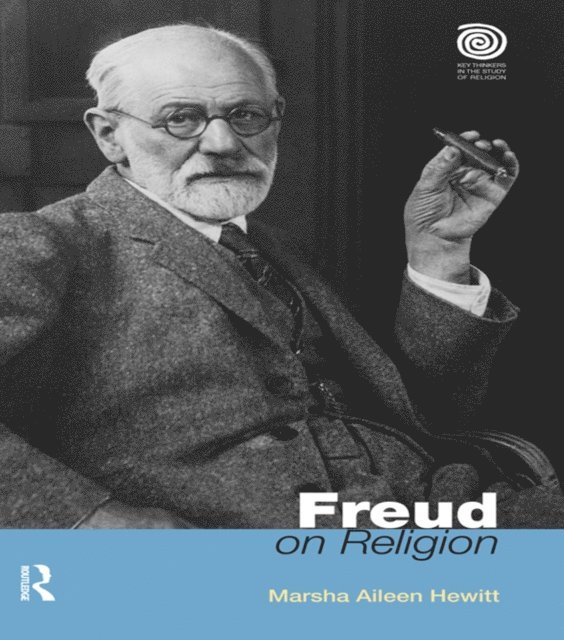
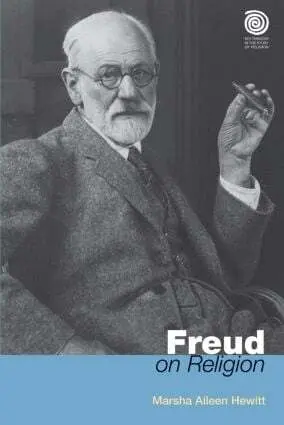
Freud argued that religions originate in the unconscious needs, longings and fantasies of human minds. His work has served to highlight how any analysis of religion must explore mental life, both the cognitive and the unconscious. 'Freud on Religion' examines Freud's complex understanding of religious belief and practice. The book brings together contemporary psychoanalytic theory and case material from Freud's clinical practice to illustrate how the operations of the unconscious mind support various forms of religious belief, from mainstream to occult. 'Freud on Religion' offers a new way of understanding Freud's thinking and demonstrates how valuable psychoanalysis is for the study of religion.
562 kr
Skickas inom 10-15 vardagar
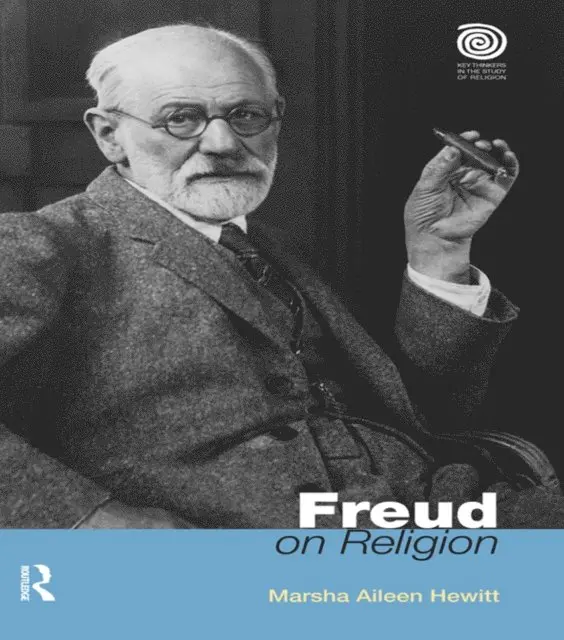
Freud argued that religions originate in the unconscious needs, longings and fantasies of human minds. His work has served to highlight how any analysis of religion must explore mental life, both the cognitive and the unconscious. 'Freud on Religion' examines Freud's complex understanding of religious belief and practice. The book brings together contemporary psychoanalytic theory and case material from Freud's clinical practice to illustrate how the operations of the unconscious mind support various forms of religious belief, from mainstream to occult. 'Freud on Religion' offers a new way of understanding Freud's thinking and demonstrates how valuable psychoanalysis is for the study of religion.