Marshall DeRosa – författare
Visar alla böcker från författaren Marshall DeRosa. Handla med fri frakt och snabb leverans.
12 produkter
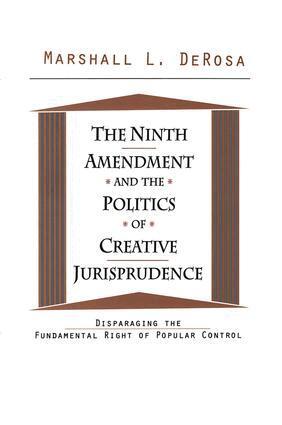
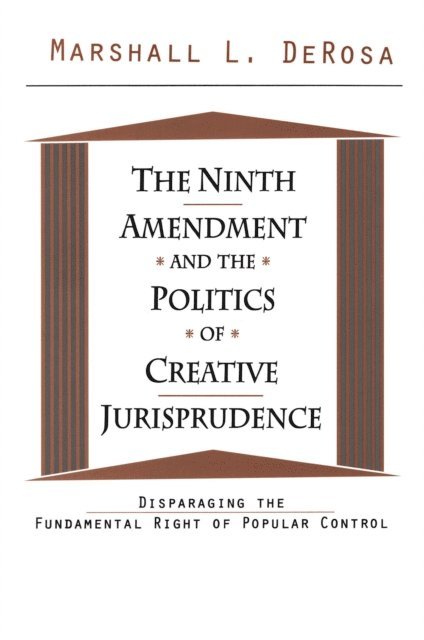
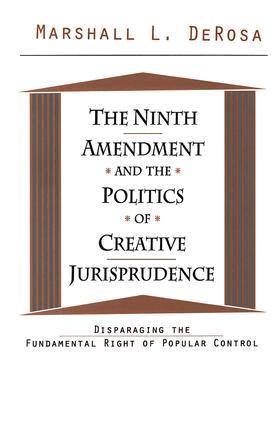
Ninth Amendment and the Politics of Creative Jurisprudence
Disparaging the Fundamental Right of Popular Control
Häftad, 2018
690 kr
Lägg i varukorg
The Ninth Amendment holds that every right not explicitly granted to the federal government by the Constitution belongs to the states or to the individual. Further, those rights held by the government should not be construed to deny or disparage other rights held by the people. As in other areas of …
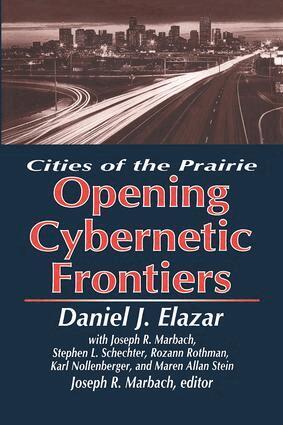
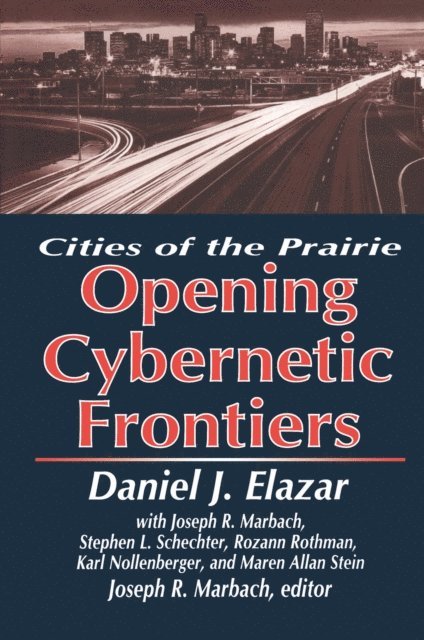
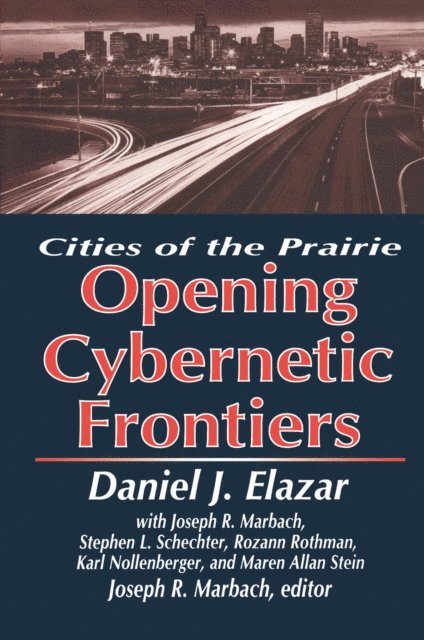
Opening of the Cybernetic Frontier
Cities of the Prairie
Av Marshall DeRosa, Daniel Elazar
Häftad, 2018
667 kr
Lägg i varukorg
The Opening of the Cybernetic Frontier is the third in-J. stallment in the Cities of the Prairie project. It completes an ongoing multi-generational, comparative study of ten medium-sized communities located in five Prairie and Plains states - Illinois, Iowa, Minnesota, Wisconsin, and Colorado. …
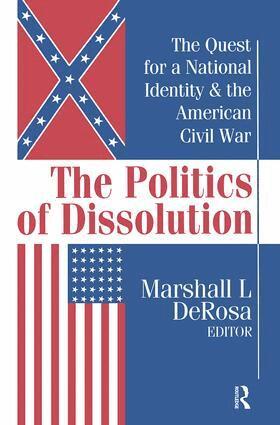
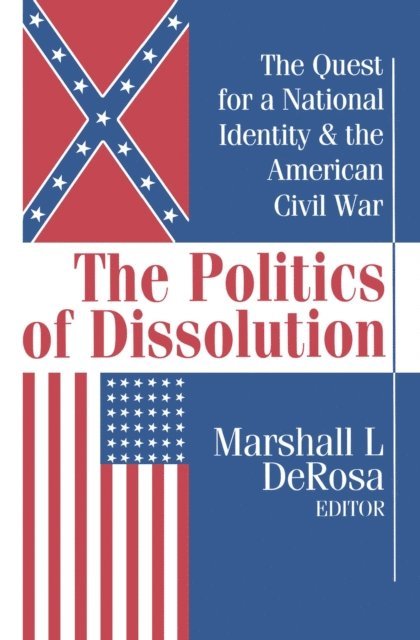
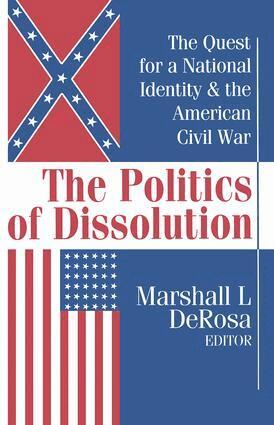
Politics of Dissolution
Quest for a National Identity and the American Civil War
Häftad, 2018
937 kr
Lägg i varukorg
This collection of late antebellum U.S. Senate speeches exemplifies the official statements of the public men from the South, North, and West as they struggled with the questions of national identity and the right of self-government within the context of the rule of law.
Politics of Dissolution
Quest for a National Identity and the American Civil War
E-bok, 2018
1106 kr
Lägg i varukorg
This collection of late antebellum U.S. Senate speeches exemplifies the official statements of the public men from the South, North, and West as they struggled with the questions of national identity and the right of self-government within the context of the rule of law.
Politics of Dissolution
Quest for a National Identity and the American Civil War
E-bok, 2018
1074 kr
Lägg i varukorg
This collection of late antebellum U.S. Senate speeches exemplifies the official statements of the public men from the South, North, and West as they struggled with the questions of national identity and the right of self-government within the context of the rule of law.
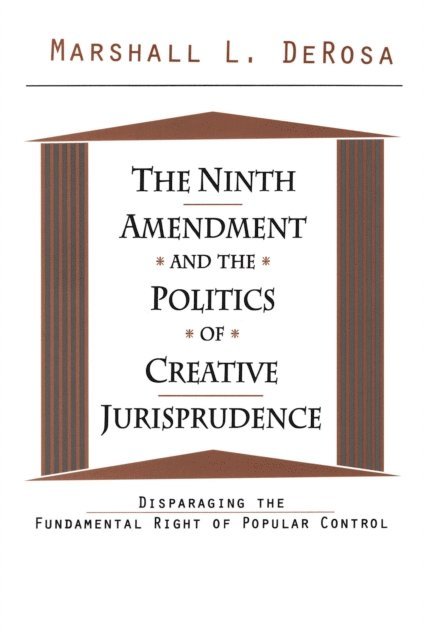
Ninth Amendment and the Politics of Creative Jurisprudence
Disparaging the Fundamental Right of Popular Control
E-bok, 2017
813 kr
Lägg i varukorg
The Ninth Amendment holds that every right not explicitly granted to the federal government by the Constitution belongs to the states or to the individual. Further, those rights held by the government should not be construed to deny or disparage other rights held by the people. As in other areas of …
Ninth Amendment and the Politics of Creative Jurisprudence
Disparaging the Fundamental Right of Popular Control
E-bok, 2017
813 kr
Lägg i varukorg
The Ninth Amendment holds that every right not explicitly granted to the federal government by the Constitution belongs to the states or to the individual. Further, those rights held by the government should not be construed to deny or disparage other rights held by the people. As in other areas of …
Opening of the Cybernetic Frontier
Cities of the Prairie
Av Daniel Elazar, Marshall DeRosa
E-bok, 2018
762 kr
Lägg i varukorg
The Opening of the Cybernetic Frontier is the third in-J. stallment in the Cities of the Prairie project. It completes an ongoing multi-generational, comparative study of ten medium-sized communities located in five Prairie and Plains states - Illinois, Iowa, Minnesota, Wisconsin, and Colorado. …
Opening of the Cybernetic Frontier
Cities of the Prairie
Av Daniel Elazar, Marshall DeRosa
E-bok, 2018
746 kr
Lägg i varukorg
The Opening of the Cybernetic Frontier is the third in-J. stallment in the Cities of the Prairie project. It completes an ongoing multi-generational, comparative study of ten medium-sized communities located in five Prairie and Plains states - Illinois, Iowa, Minnesota, Wisconsin, and Colorado. …
Ninth Amendment and the Politics of Creative Jurisprudence
Disparaging the Fundamental Right of Popular Control
Inbunden, 1995
2317 kr
Lägg i varukorg
The Ninth Amendment holds that every right not explicitly granted to the federal government by the Constitution belongs to the states or to the individual. Further, those rights held by the government should not be construed to deny or disparage other rights held by the people. As in other areas of …
Opening of the Cybernetic Frontier
Cities of the Prairie
Av Marshall DeRosa, Daniel Elazar
Inbunden, 2004
1148 kr
Tillfälligt slut
The Opening of the Cybernetic Frontier is the third in-J. stallment in the Cities of the Prairie project. It completes an ongoing multi-generational, comparative study of ten medium-sized communities located in five Prairie and Plains states - Illinois, Iowa, Minnesota, Wisconsin, and Colorado. …
Politics of Dissolution
Quest for a National Identity and the American Civil War
Inbunden, 1997
1132 kr
Tillfälligt slut
This collection of late antebellum U.S. Senate speeches exemplifies the official statements of the public men from the South, North, and West as they struggled with the questions of national identity and the right of self-government within the context of the rule of law.