Martha Ann Bell – författare
Visar alla böcker från författaren Martha Ann Bell. Handla med fri frakt och snabb leverans.
2 produkter
2 produkter
538 kr
Skickas inom 5-8 vardagar
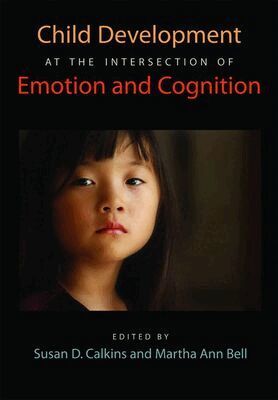
This volume addresses the codevelopment of emotional and cognitive processes by integrating theoretical and empirical work on these processes. Developmental theorists have long speculated that emotion and cognition are inseparable components of the developmental process. Some even suggest that the two components are fully integrated by school age. Yet, despite considerable theoretical work describing this interaction, relatively little empirical work has been conducted on the subject.The first part of the book demonstrates the codependence of emotional and cognitive processes, noting that both processes are clearly necessary for successful regulation of thought and behavior and that children with early adjustment difficulties often have deficits in both types of processing. The second part considers possible neurological and genetic mechanisms for the emotion-cognition link. Finally, the last part explores implications for clinical and educational research, highlighting atypical emotional and cognitive processing and its effect on adjustment in academic and social settings.
746 kr
Skickas inom 5-8 vardagar
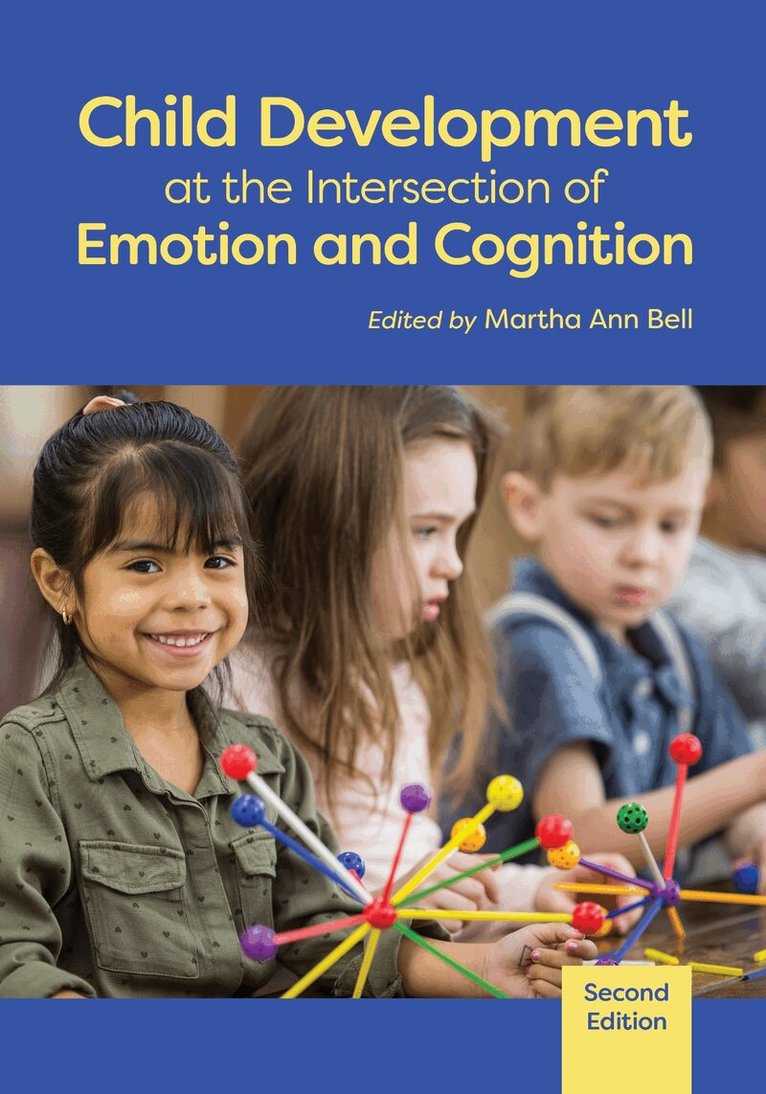
In this extensively revised edition, Martha Ann Bell and her contributors synthesize the newest research on how cognitive and emotional processes influence each other in child development.Historically, research in child development has treated cognitive processes as separate and distinct from social-emotional processes. However, many of the factors that influence self-regulation are also closely linked to cognitive development. For example, genetics, prenatal environment, relationships, language, and physiological processes are all links between emotion and cognition in child development.The first edition of this volume greatly increased our understanding of emotion-cognition integration. This second edition incorporates new longitudinal research demonstrating this integration during infancy and throughout childhood. Chapters incorporate new research methods based on technological advances that have greatly enhanced our ability to examine early human brain development. The resulting volume is a critical read for those interested in understanding how brain development influences our behavior and social interactions.