Martha B. Straus – författare
Visar alla böcker från författaren Martha B. Straus. Handla med fri frakt och snabb leverans.
7 produkter
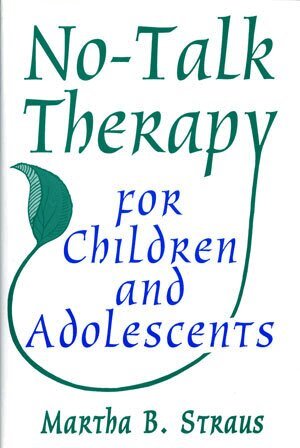
No-Talk Therapy for Children and Adolescents
Inbunden, 1999
385 kr
Lägg i varukorg
Weaving practical, hands-on ideas with theory and research about child development, child treatment, and the therapeutic relationship, this book describes an innovative approach to treatment of children and adolescents who won’t or can’t respond to traditional, conversation-based therapy. Within an …
Abuse and Victimization across the Life Span
Häftad, 1990
366 kr
Lägg i varukorg
"Abuse and Victimization across the Life Span" addresses the problem of family violence from a developmental perspective. Rather than limiting the focus to a specific state of development, the book encourages professionals and students to consider the effects of violence on victims at all points in …
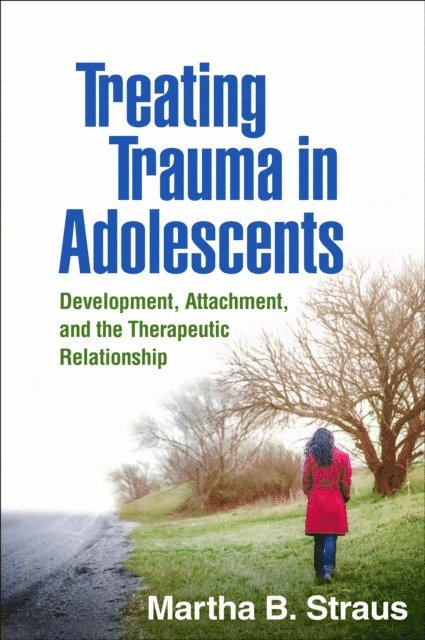
Treating Trauma in Adolescents
Development, Attachment, and the Therapeutic Relationship
E-bok, 2016
535 kr
Lägg i varukorg
This book presents an innovative and empathic approach to working with traumatized teens. It offers strategies for getting through to high-risk adolescents and for building a strong attachment relationship that can help get development back on track. Martha B. Straus draws on extensive clinical …
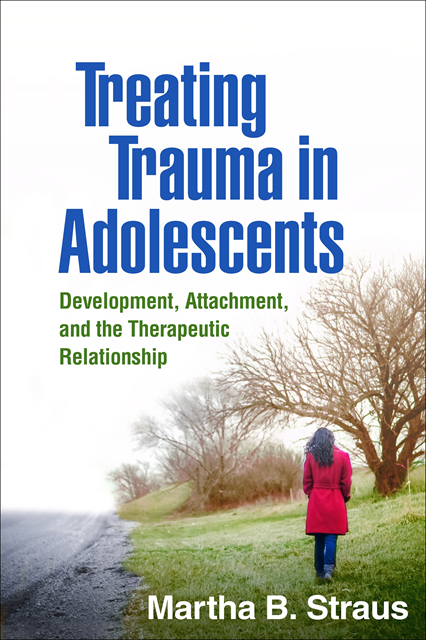
Treating Trauma in Adolescents
Development, Attachment, and the Therapeutic Relationship
E-bok, 2016
535 kr
Lägg i varukorg
This book presents an innovative and empathic approach to working with traumatized teens. It offers strategies for getting through to high-risk adolescents and for building a strong attachment relationship that can help get development back on track. Martha B. Straus draws on extensive clinical …
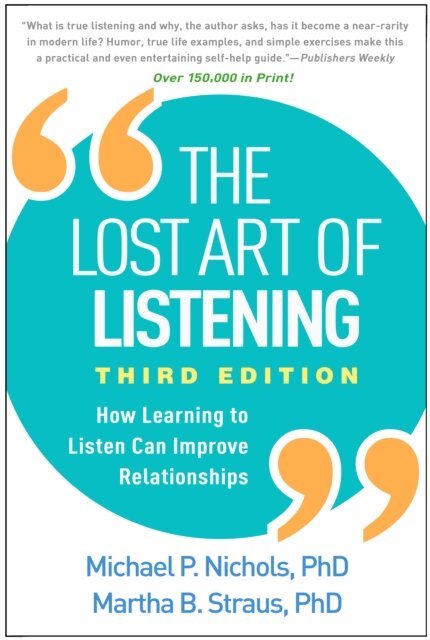
Lost Art of Listening
How Learning to Listen Can Improve Relationships
Av Martha B. Straus, Michael P. Nichols
E-bok, 2021
268 kr
Lägg i varukorg
"That isn't what I meant!" Truly listening and being heard is far from simple, even between people who care about each other. This perennial bestseller--now revised and updated for the digital age--analyzes how any conversation can go off the rails and provides essential skills for building mutual …
Violence in the Lives of Adolescents
Inbunden, 1994
245 kr
Tillfälligt slut
The author describes the book’s theoretical framework as the ecology of violence; therapists can intervene to stop violence on any of four ecological levels—individual, family, community, social policy. Following a brief history of adolescence in America, Chapter 1 explores the effects of violence …
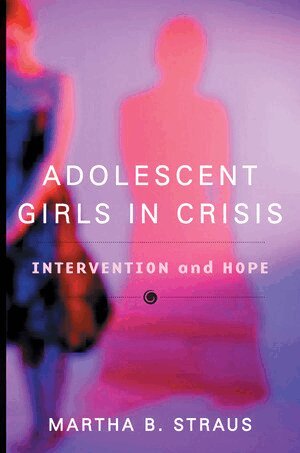
Adolescent Girls in Crisis
Intervention and Hope
Inbunden, 2007
329 kr
Tillfälligt slut
Some try to disappear through starvation; others carve indecipherable symbols or other marks onto their arms and bodies; some run away from home; and still others bully and get bullied, hide weeping in their rooms, or attempt suicide.Programs, experts, and interventions abound, but therapists and …