Martha I. Chew Sanchez - Böcker
Visar alla böcker från författaren Martha I. Chew Sanchez. Handla med fri frakt och snabb leverans.
5 produkter
5 produkter
534 kr
Skickas inom 3-6 vardagar
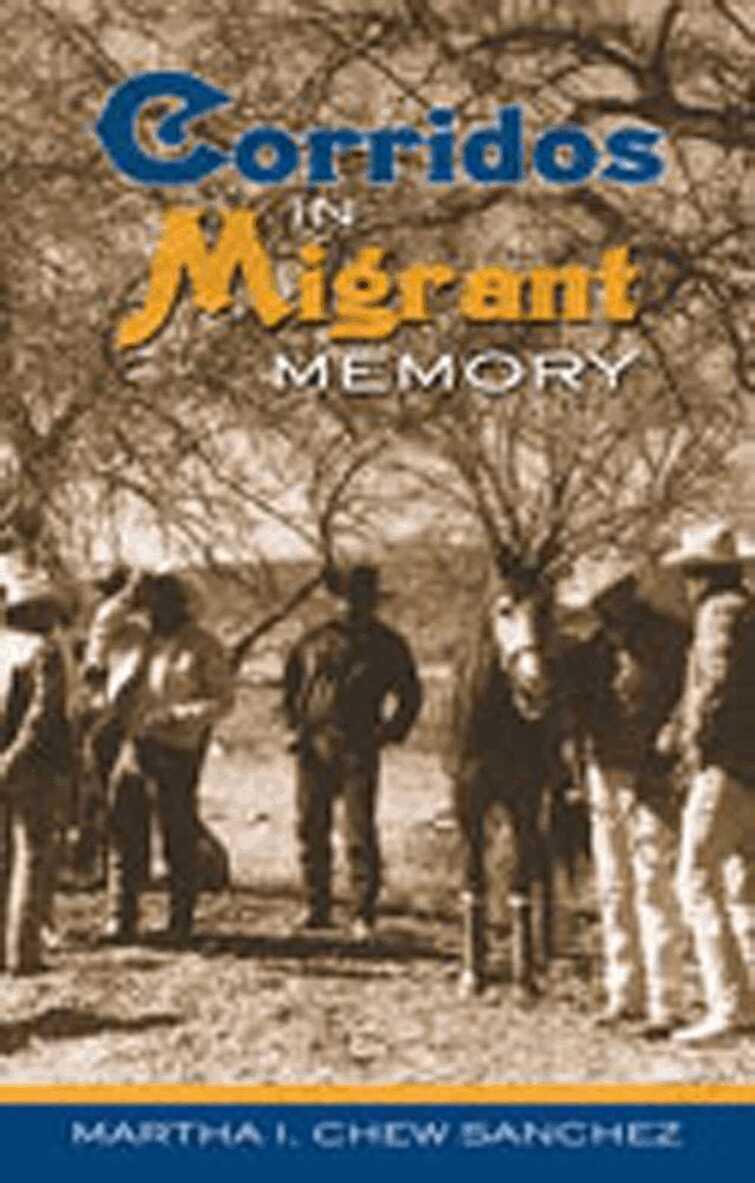
Corridos are ballads particular to Mexican traditions that are used to analyse or recall a particular political, cultural, and natural event important to the communities where they are performed. As part of the cultural memory, many of the most popular corridos express the immigrant experience: exploitation, surveillance, and dehumanization stemming from racism and classism of the host country. The corrido helps Mexican immigrants in the United States to humanise, dignify, and make sense of their transnational experiences as racial minorities. ""Corridos in Migrant Memory"" examines the role of corridos in shaping the cultural memories and identities of transnational Mexican groups. These narrative songs, dating from the earliest colonial times, recount the historical circumstances surrounding a model protagonist whose history embodies the everyday experiences and values of the community. The everyday experiences and cultural expressions of Mexican-Americans and Mexican immigrants have not found their way into textbooks in Mexico or in the United States. Martha Chew Sanchez' study provides a foundation upon which to build an understanding of the corrido.
651 kr
Kommande
305 kr
Kommande
373 kr
Skickas inom 7-10 vardagar
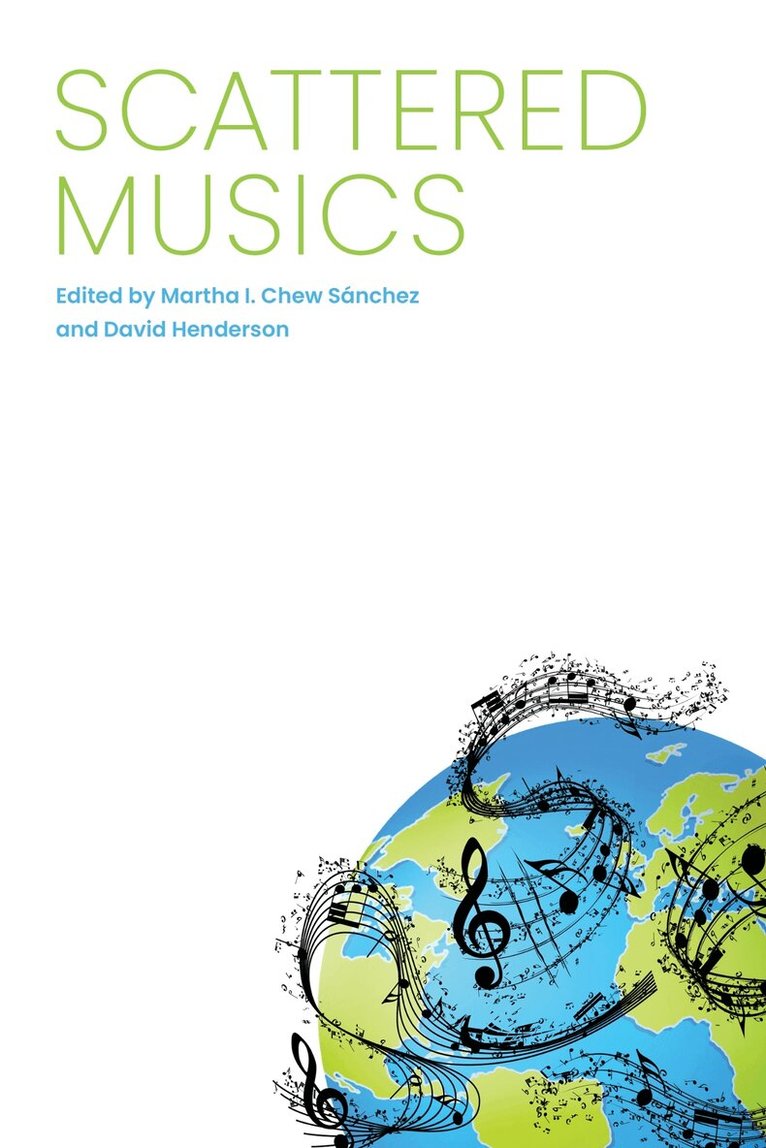
Contributions by Nilanjana Bhattacharjya, Benjamin Burkhart, Ivy Chevers, Martha I. Chew Sánchez, Athena Elafros, William García-Medina, Sara Goek, Eyvind Kang, Junko Oba, Juan David Rubio Restrepo, and Gareth Dylan SmithIn Scattered Musics, editors Martha I. Chew Sánchez and David Henderson, along with a range of authors from a variety of scholarly backgrounds, consider the musics that diaspora and migrant populations are inspired to create, how musics and musicians travel, and how they change in transit. The authors cover a lot of ground: cumbia in Mexico, música sertaneja in Japan, hip-hop in Canada, Irish music in the US and the UK, reggae and dancehall in Germany, and more. Diasporic groups transform the musical expressions of their home countries as well as those in their host communities. The studies collected here show how these transformations are ways of grappling with ever-changing patterns of movement. Different diasporas hold their homelands in different regards. Some communities try to recreate home away from home in musical performances, while others use music to critique and redefine their senses of home. Through music, people seek to reconstruct and refine collective memory and a collective sense of place.The essays in this volume-by sociologists, historians, ethnomusicologists, and others-explore these questions in ways that are theoretically sophisticated yet readable, making evident the complexities of musical and social phenomena in diaspora and migrant populations. As the opening paragraph of the introduction to the volume observes, ""What remains when people have been scattered apart is a strong urge to gather together, to collect."" At few times in our lives has that ever been more apparent than right now.
1 216 kr
Skickas inom 10-15 vardagar
Contributions by Nilanjana Bhattacharjya, Benjamin Burkhart, Ivy Chevers, Martha I. Chew Sánchez, Athena Elafros, William García-Medina, Sara Goek, Eyvind Kang, Junko Oba, Juan David Rubio Restrepo, and Gareth Dylan SmithIn Scattered Musics, editors Martha I. Chew Sánchez and David Henderson, along with a range of authors from a variety of scholarly backgrounds, consider the musics that diaspora and migrant populations are inspired to create, how musics and musicians travel, and how they change in transit. The authors cover a lot of ground: cumbia in Mexico, música sertaneja in Japan, hip-hop in Canada, Irish music in the US and the UK, reggae and dancehall in Germany, and more. Diasporic groups transform the musical expressions of their home countries as well as those in their host communities. The studies collected here show how these transformations are ways of grappling with ever-changing patterns of movement. Different diasporas hold their homelands in different regards. Some communities try to recreate home away from home in musical performances, while others use music to critique and redefine their senses of home. Through music, people seek to reconstruct and refine collective memory and a collective sense of place.The essays in this volume-by sociologists, historians, ethnomusicologists, and others-explore these questions in ways that are theoretically sophisticated yet readable, making evident the complexities of musical and social phenomena in diaspora and migrant populations. As the opening paragraph of the introduction to the volume observes, ""What remains when people have been scattered apart is a strong urge to gather together, to collect."" At few times in our lives has that ever been more apparent than right now.