Martha Kaplan – författare
Visar alla böcker från författaren Martha Kaplan. Handla med fri frakt och snabb leverans.
5 produkter
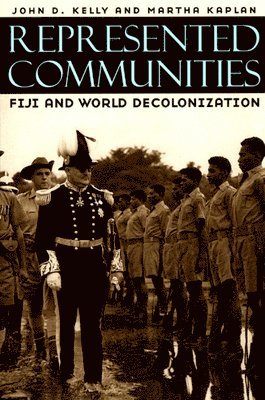
Represented Communities
Fiji and World Decolonization
Av John D. Kelly, Martha Kaplan
Häftad, 2001
289 kr
Lägg i varukorg
In 1983 Benedict Anderson's Imagined Communities revolutionized the anthropology of nationalism. Anderson argued that "print capitalism" fostered nations as imagined communities in a modular form that became the culture of modernity.Now, in Represented Communities, John D. Kelly and Martha Kaplan …
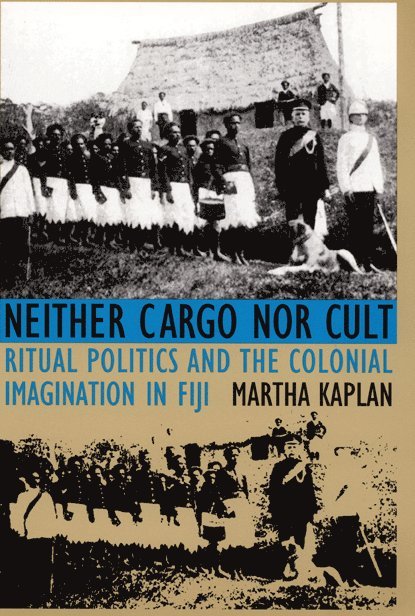
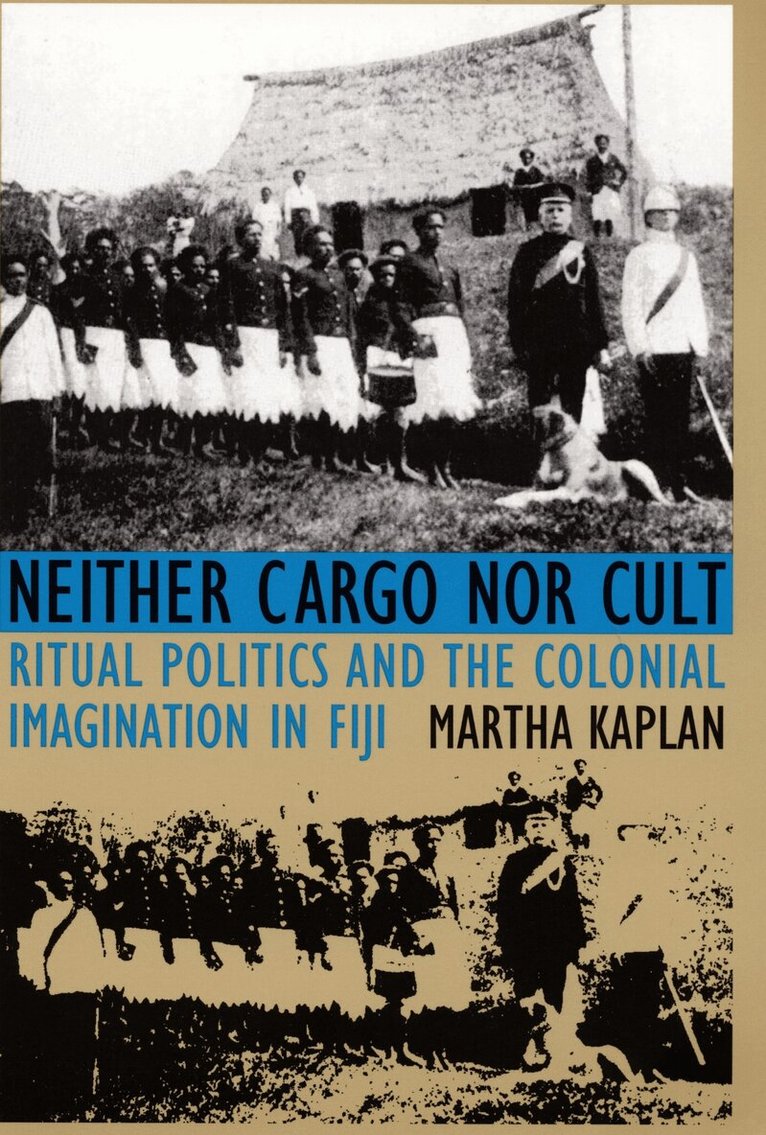
Neither Cargo nor Cult
Ritual Politics and the Colonial Imagination in Fiji
Häftad, 1995
352 kr
Lägg i varukorg
In the 1880s an oracle priest, Navosavakadua, mobilized Fijians of the hinterlands against the encroachment of both Fijian chiefs and British colonizers. British officials called the movement the Tuka cult, imagining it as a contagious superstition that had to be stopped. Navosavakadua and many of …
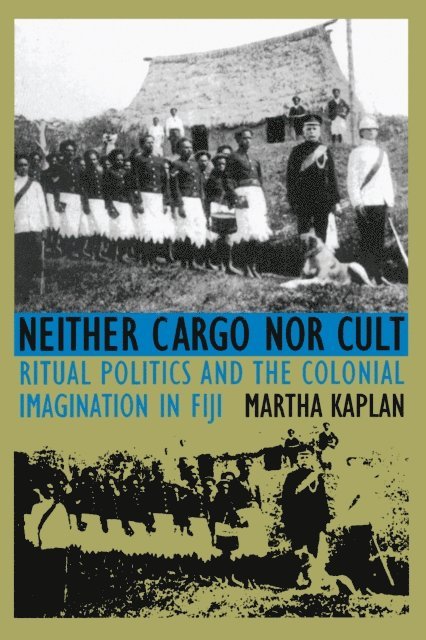
Neither Cargo nor Cult
Ritual Politics and the Colonial Imagination in Fiji
E-bok, 1995
537 kr
Lägg i varukorg
In the 1880s an oracle priest, Navosavakadua, mobilized Fijians of the hinterlands against the encroachment of both Fijian chiefs and British colonizers. British officials called the movement the Tuka cult, imagining it as a contagious superstition that had to be stopped. Navosavakadua and many of …
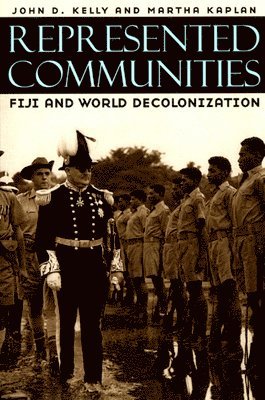
Represented Communities
Fiji and World Decolonization
Av John D. Kelly, Martha Kaplan
Inbunden, 2001
692 kr
Tillfälligt slut
In 1983 Benedict Anderson's Imagined Communities revolutionized the anthropology of nationalism. Anderson argued that "print capitalism" fostered nations as imagined communities in a modular form that became the culture of modernity.Now, in Represented Communities, John D. Kelly and Martha Kaplan …
Neither Cargo nor Cult
Ritual Politics and the Colonial Imagination in Fiji
Inbunden, 1995
1300 kr
Tillfälligt slut
In the 1880s an oracle priest, Navosavakadua, mobilized Fijians of the hinterlands against the encroachment of both Fijian chiefs and British colonizers. British officials called the movement the Tuka cult, imagining it as a contagious superstition that had to be stopped. Navosavakadua and many of …