Martin Austin Nesvig – Författare
Visar alla böcker från författaren Martin Austin Nesvig. Handla med fri frakt och snabb leverans.
5 produkter
5 produkter
886 kr
Skickas inom 5-8 vardagar
This book is the first comprehensive treatment in English of the ideology and practice of the Inquisitional censors, focusing on the case of Mexico from the 1520s to the 1630s. Others have examined the effects of censorship, but Martin Nesvig employs a nontraditional approach that focuses on the inner logic of censorship in order to examine the collective mentality, ideological formation, and practical application of ideology of the censors themselves. Nesvig shows that censorship was not only about the regulation of books but about censorship in the broader sense as a means to regulate Catholic dogma and the content of religious thought. In Mexico, decisions regarding censorship involved considerable debate and disagreement among censors, thereby challenging the idea of the Inquisition as a monolithic institution. Once adapted to cultural circumstances in Mexico, the Inquisition and the Index produced not a weapon of intellectual terror but a flexible apparatus of control.
1 476 kr
Skickas inom 10-15 vardagar
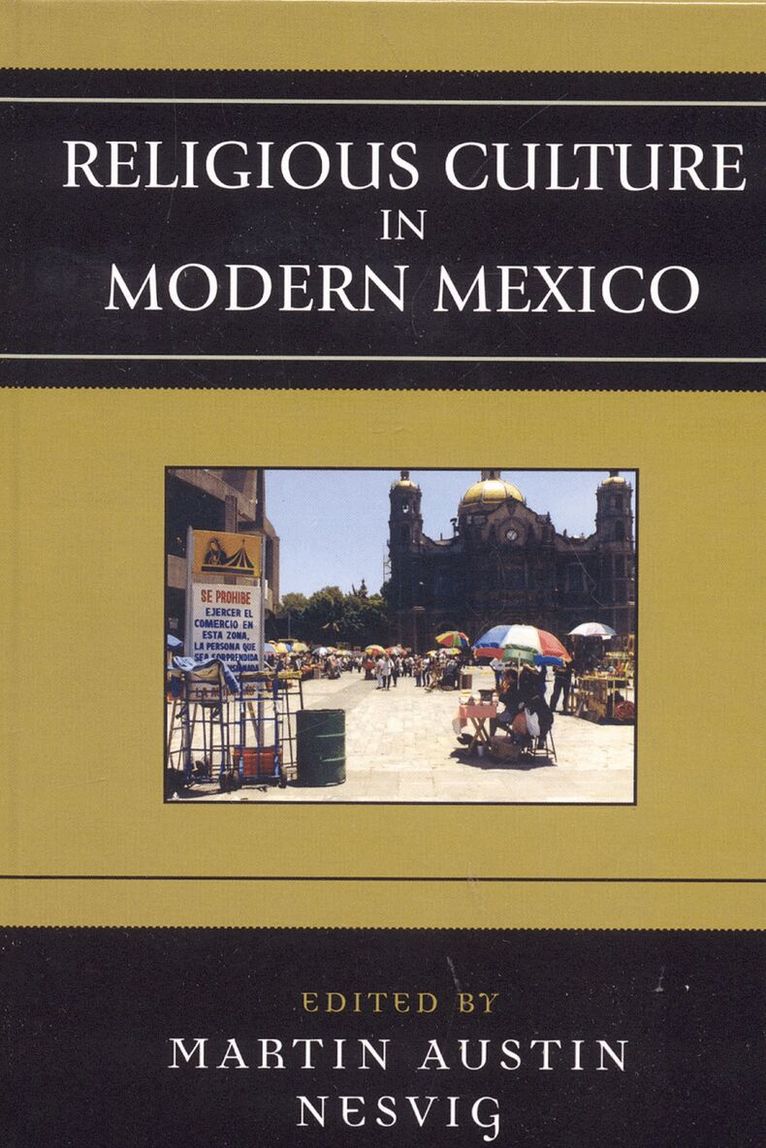
This nuanced book considers the role of religion and religiosity in modern Mexico, breaking new ground with an emphasis on popular religion and its relationship to politics. The contributors highlight the multifaceted role of religion, illuminating the ways that religion and religious devotion have persisted and changed since Mexican independence. They explore such themes as the relationship between church and state, the resurgence of religiosity and religious societies in the post-reform period, the religious values of the liberals of the 1850s, and the ways that popular expressions of religion often trumped formal and universal proscriptions. Focusing on individual stories and vignettes and on local elements of religion, the contributors show that despite efforts to secularize society, religion continues to be a strong component of Mexican culture. Portraying the complexity of religiosity in Mexico in the context of an increasingly secular state, this book will be invaluable for all those interested in Latin American history and religion.Contributions by: Silvia Marina Arrom, Adrian Bantjes, Alejandro Cortázar, Jason Dormady, Martin Austin Nesvig, Matthew D. O'Hara, Daniela Traffano, Paul J. Vanderwood, Mark Overmyer-Velázquez, Pamela Voekel, and Edward Wright-Rios
696 kr
Skickas inom 5-8 vardagar
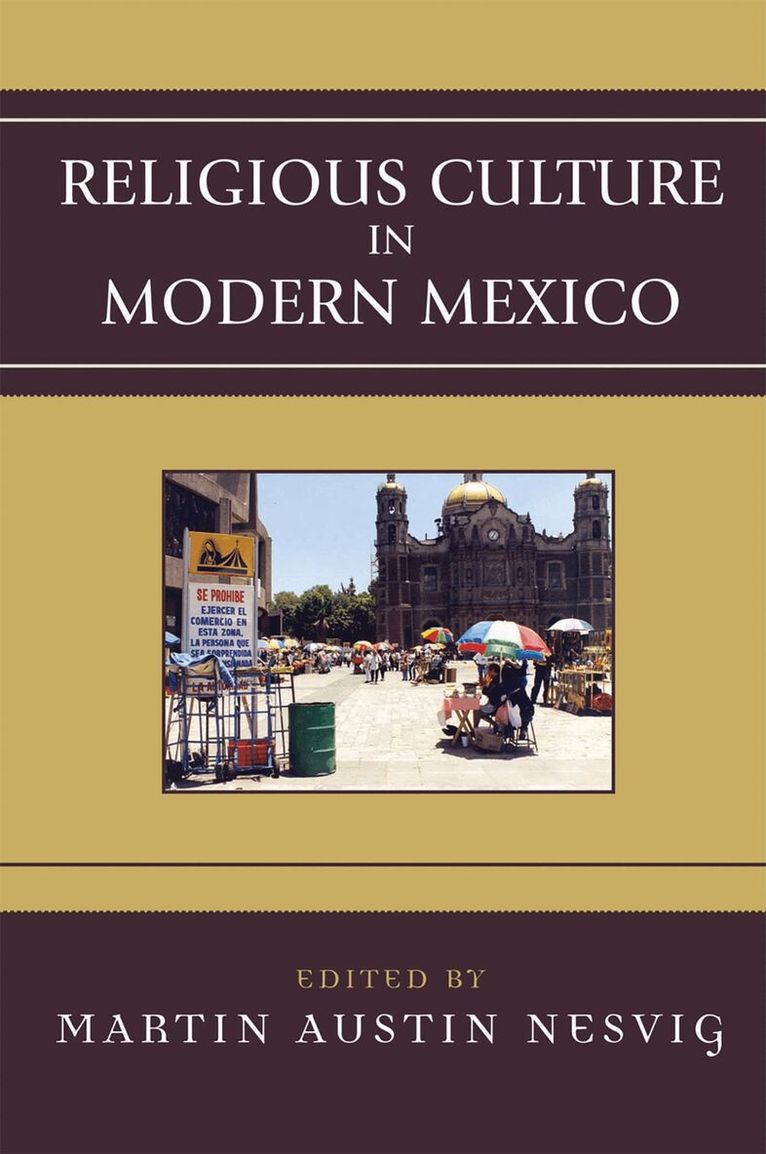
This nuanced book considers the role of religion and religiosity in modern Mexico, breaking new ground with an emphasis on popular religion and its relationship to politics. The contributors highlight the multifaceted role of religion, illuminating the ways that religion and religious devotion have persisted and changed since Mexican independence. They explore such themes as the relationship between church and state, the resurgence of religiosity and religious societies in the post-reform period, the religious values of the liberals of the 1850s, and the ways that popular expressions of religion often trumped formal and universal proscriptions. Focusing on individual stories and vignettes and on local elements of religion, the contributors show that despite efforts to secularize society, religion continues to be a strong component of Mexican culture. Portraying the complexity of religiosity in Mexico in the context of an increasingly secular state, this book will be invaluable for all those interested in Latin American history and religion.Contributions by: Silvia Marina Arrom, Adrian Bantjes, Alejandro Cortázar, Jason Dormady, Martin Austin Nesvig, Matthew D. O'Hara, Daniela Traffano, Paul J. Vanderwood, Mark Overmyer-Velázquez, Pamela Voekel, and Edward Wright-Rios
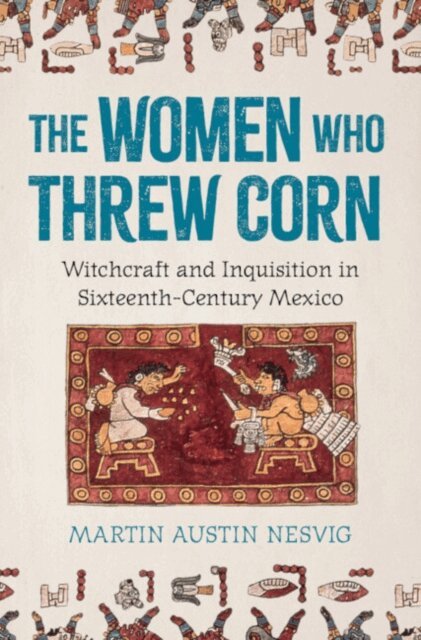
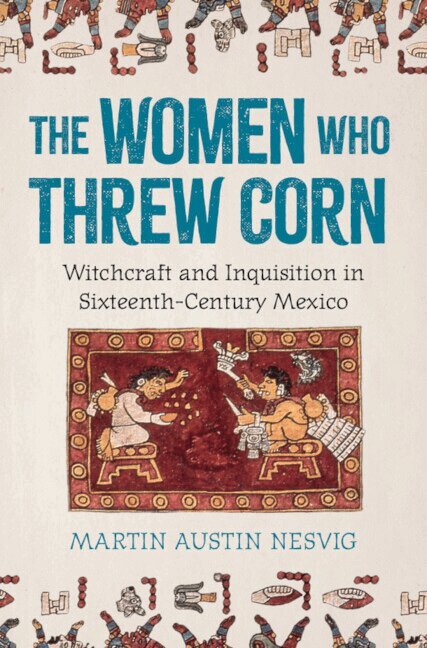
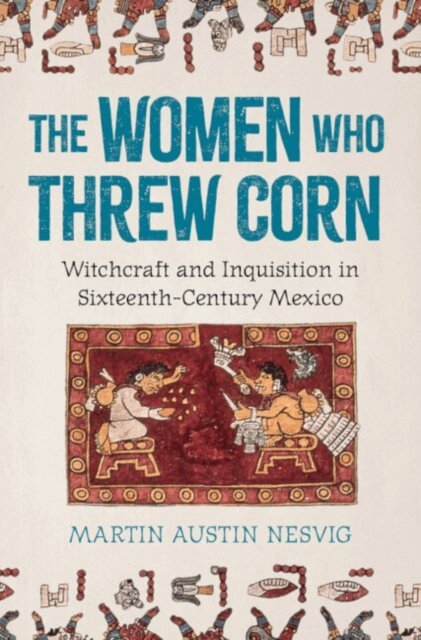
The Women Who Threw Corn
Witchcraft and Inquisition in Sixteenth-Century Mexico
Inbunden, Engelska, 2025
385 kr
Skickas inom 7-10 vardagar
This book tells the stories of women from Spain, North Africa, Senegambia, and Canaries accused of sorcery in sixteenth-century Mexico for adapting native magic and healing practices. These non-native women - the mulata of Seville who cured the evil eye; the Canarian daughter of a Count who ate peyote and mixed her bath water into a man's mustard supply; the wife of a Spanish conquistador who let her hair loose and chanted to a Mesoamerican god while sweeping at midnight; the wealthy Basque woman with a tattoo of a red devil; and many others - routinely adapted Native ritual into hybrid magic and cosmology. Through a radical rethinking of colonial knowledge, Martin Austin Nesvig uncovers a world previously left in the shadows of historical writing, revealing a fascinating and vibrant multi-ethnic community of witches, midwives, and healers.
347 kr
Skickas inom 7-10 vardagar
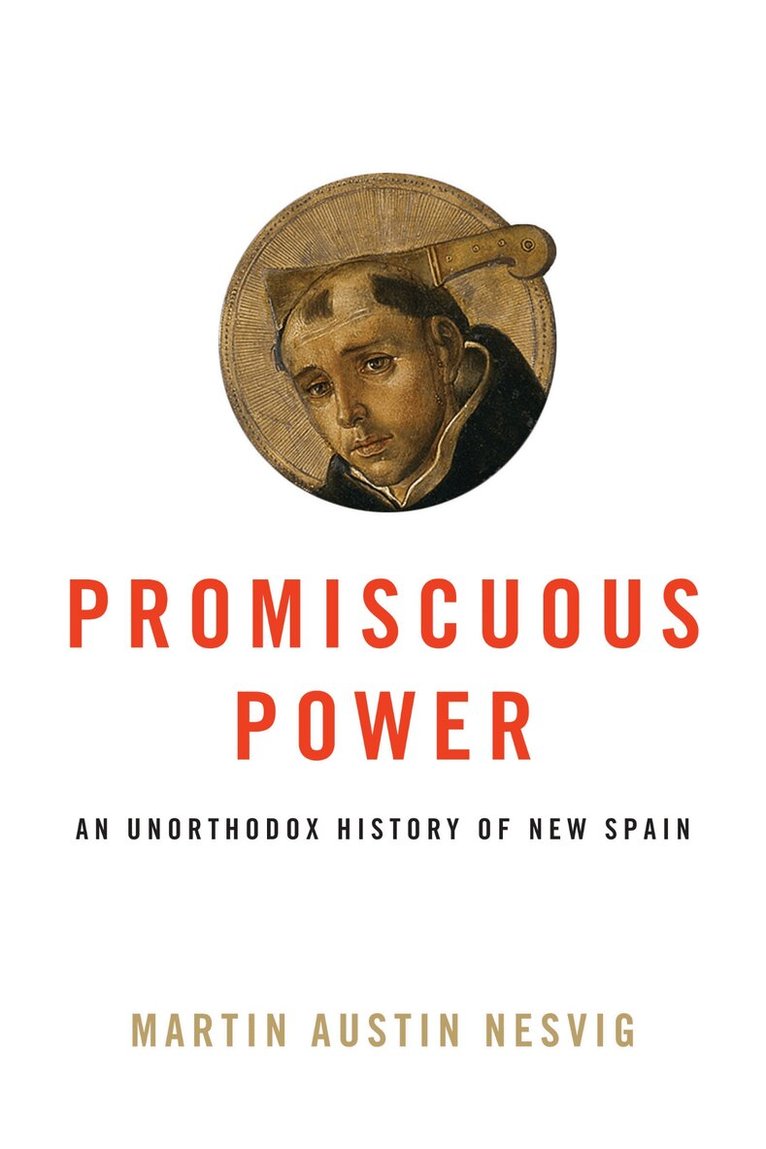
Honorable Mention, Bandelier/Lavrin Book Award in Colonial Latin America, Rocky Mountain Council on Latin American Studies (RMCLAS), 2019Honorable Mention, The Alfred B. Thomas Book Award, Southeastern Council of Latin American Studies (SECOLAS), 2019Scholars have written reams on the conquest of Mexico, from the grand designs of kings, viceroys, conquistadors, and inquisitors to the myriad ways that indigenous peoples contested imperial authority. But the actual work of establishing the Spanish empire in Mexico fell to a host of local agents-magistrates, bureaucrats, parish priests, ranchers, miners, sugar producers, and many others-who knew little and cared less about the goals of their superiors in Mexico City and Madrid. Through a case study of the province of MichoacÁn in western Mexico, Promiscuous Power focuses on the prosaic agents of colonialism to offer a paradigm-shifting view of the complexities of making empire at the ground level.Presenting rowdy, raunchy, and violent life histories from the archives, Martin Austin Nesvig reveals that the local colonizers of MichoacÁn were primarily motivated by personal gain, emboldened by the lack of oversight from the upper echelons of power, and thoroughly committed to their own corporate memberships. His findings challenge some of the most deeply held views of the Spanish colonization of Mexico, including the Black Legend, which asserts that the royal state and the institutional church colluded to produce a powerful Catholicism that crushed heterodoxy, punished cultural difference, and ruined indigenous worlds. Instead, Nesvig finds that MichoacÁn-typical of many frontier provinces of the empire-became a region of refuge from imperial and juridical control and formal Catholicism, where the ordinary rules of law, jurisprudence, and royal oversight collapsed in the entropy of decentralized rule.