Martin Blinkhorn – författare
Visar alla böcker från författaren Martin Blinkhorn. Handla med fri frakt och snabb leverans.
20 produkter
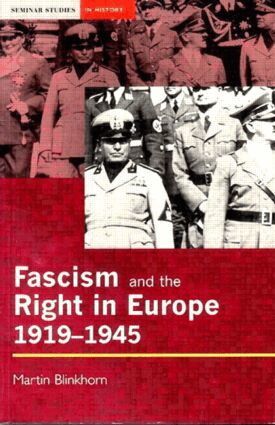
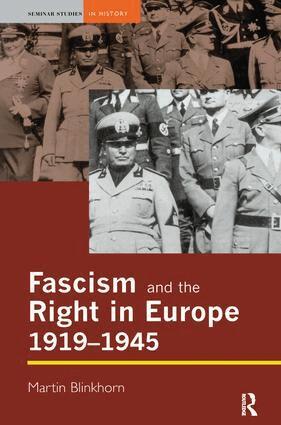
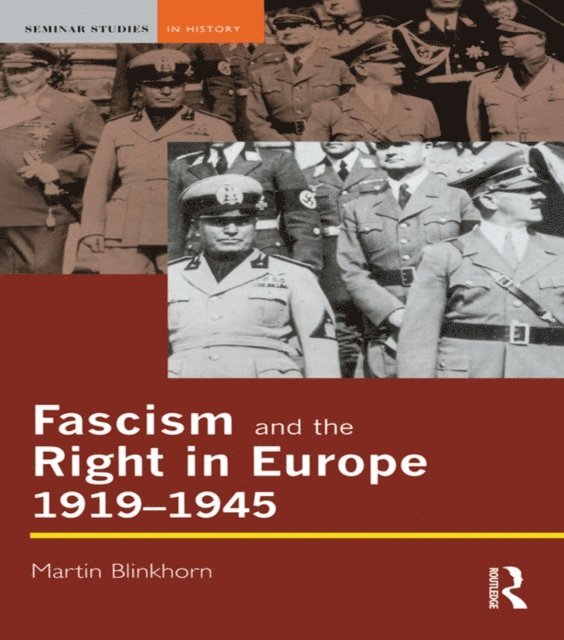
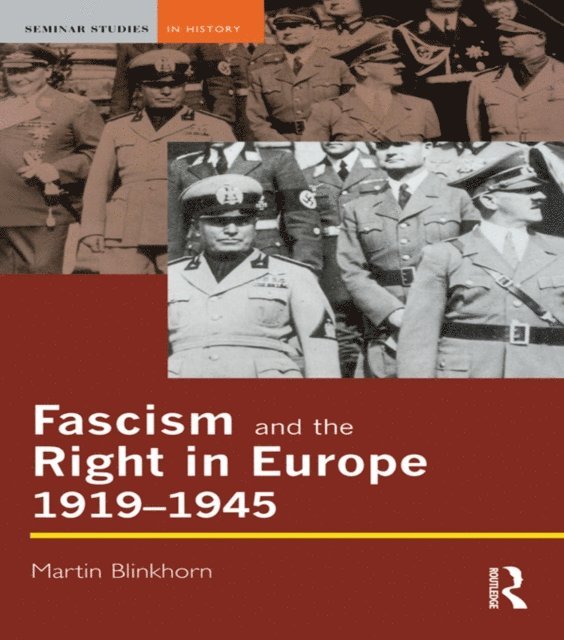
Fascism and the Right in Europe 1919-1945
Häftad, 2000
725 kr
Lägg i varukorg
This new text places interwar European fascism squarely in its historical context and analyses its relationship with other right wing, authoritarian movements and regimes. Beginning with the ideological roots of fascism in pre-1914 Europe, Martin Blinkhorn turns to the problem-torn Europe of 1919 …
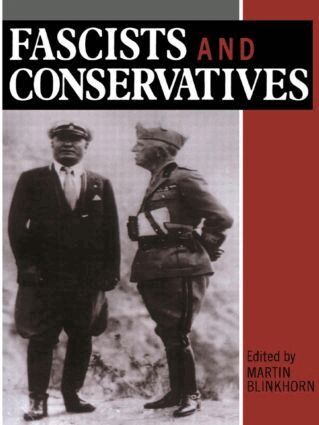
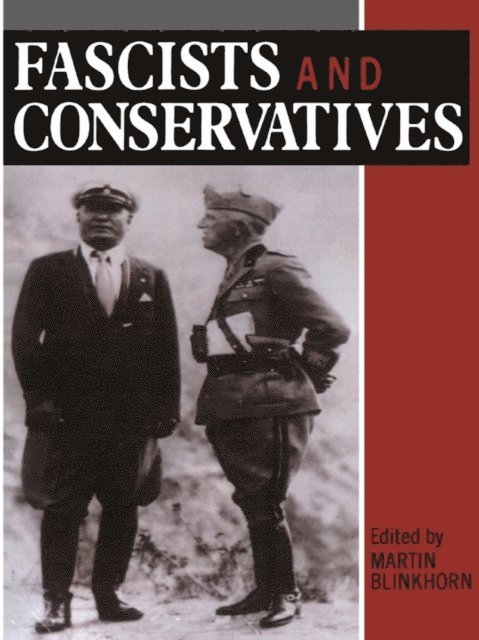
Fascists and Conservatives
The Radical Right and the Establishment in Twentieth-Century Europe
Häftad, 1990
665 kr
Lägg i varukorg
What has between the `radical' and the `conservative' right in twentieth-century Europe? In Fascists and Conservatives thirteen distinguished authorities on the European right explore this major theme within Italy, Germany, Spain, Portugal, France, Britain, Austria, Romania, Greece adn the Nordic …
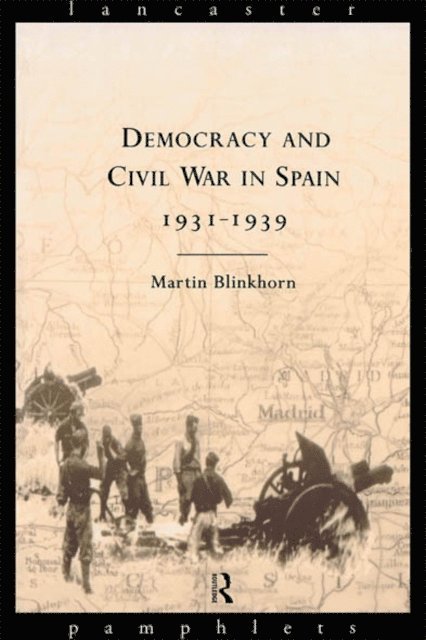
Democracy and Civil War in Spain 1931-1939
Häftad, 1988
650 kr
Lägg i varukorg
In the 1930s Spain underwent a period of intense and bloody upheaval that culminated in three years of civil war and the triumph of the Nationalist rebels under General Franco. Hundreds of thousands of Spanish - and non-Spanish - people died in their struggle against what was seen as the greatest …
Fascists and Conservatives
The radical right and the establishment in twentieth-century Europe
Inbunden, 1990
2504 kr
Lägg i varukorg
First Published in 1990. During the last twenty years, prodigious scholarly effort has gone into the study of fascism and the right in twentieth-century Europe. Quite apart from the study of particular fascist and national socialist movements and of individual right-wing regimes (Fascist Italy, the …
Mussolini and Fascist Italy
Inbunden, 2006
2658 kr
Lägg i varukorg
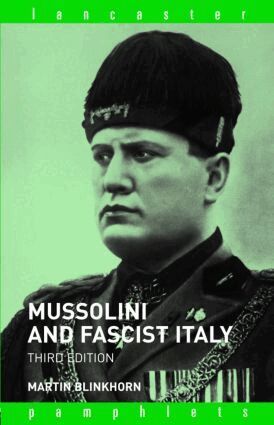
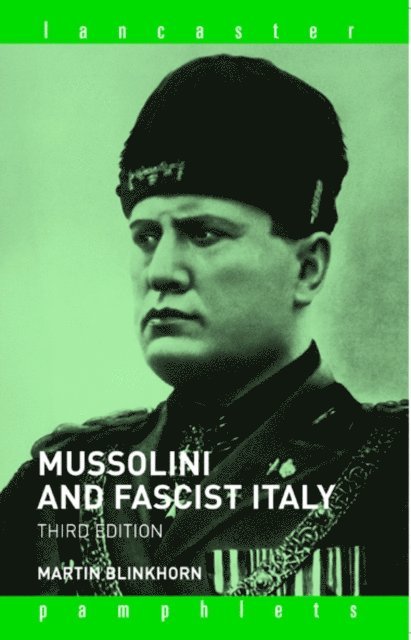
In Mussolini and Fascist Italy Martin Blinkhorn explains the significance of the man, the movement and the regime which dominated Italian life between 1922 and the closing stages of the Second World War. He examines: those aspects of post-Risorgimento Italy which provided the longterm context vital …
Mussolini and Fascist Italy
Häftad, 2006
670 kr
Lägg i varukorg
In Mussolini and Fascist Italy Martin Blinkhorn explains the significance of the man, the movement and the regime which dominated Italian life between 1922 and the closing stages of the Second World War. He examines: those aspects of post-Risorgimento Italy which provided the longterm context vital …
Fascists and Conservatives
The radical right and the establishment in twentieth-century Europe
Häftad, 2014
770 kr
Lägg i varukorg
First published in 1990. During the last twenty years, prodigious scholarly effort has gone into the study of fascism and the right in twentieth-century Europe. Quite apart from the study of particular fascist and national socialist movements and of individual right-wing regimes (Fascist Italy, the …
Carlism and Crisis in Spain 1931-1939
Häftad, 2008
586 kr
Lägg i varukorg
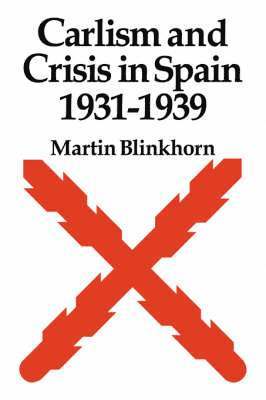
This is a study in English of the Carlist Movement, the extreme right-wing party in Spain, during the climactic decade of the 1930s. Carlism represents the oldest existing movement of the traditionalist right in Europe. In 1931 Carlists had already been in conflict with Spanish liberalism and …
Mussolini and Fascist Italy
E-bok, 2006
750 kr
Lägg i varukorg
In Mussolini and Fascist Italy Martin Blinkhorn explains the significance of the man, the movement and the regime which dominated Italian life between 1922 and the closing stages of the Second World War. He examines: those aspects of post-Risorgimento Italy which provided the longterm context vital …
Mussolini and Fascist Italy
E-bok, 2006
743 kr
Lägg i varukorg
In Mussolini and Fascist Italy Martin Blinkhorn explains the significance of the man, the movement and the regime which dominated Italian life between 1922 and the closing stages of the Second World War. He examines: those aspects of post-Risorgimento Italy which provided the longterm context vital …
Democracy and Civil War in Spain 1931-1939
E-bok, 2008
750 kr
Lägg i varukorg
In the 1930s Spain underwent a period of intense and bloody upheaval that culminated in three years of civil war and the triumph of the Nationalist rebels under General Franco. Hundreds of thousands of Spanish - and non-Spanish - people died in their struggle against what was seen as the greatest …
Democracy and Civil War in Spain 1931-1939
E-bok, 2008
750 kr
Lägg i varukorg
In the 1930s Spain underwent a period of intense and bloody upheaval that culminated in three years of civil war and the triumph of the Nationalist rebels under General Franco. Hundreds of thousands of Spanish - and non-Spanish - people died in their struggle against what was seen as the greatest …
Fascists and Conservatives
The Radical Right and the Establishment in Twentieth-Century Europe
E-bok, 2003
768 kr
Lägg i varukorg
What has between the `radical'' and the `conservative'' right in twentieth-century Europe? In Fascists and Conservatives thirteen distinguished authorities on the European right explore this major theme within Italy, Germany, Spain, Portugal, France, Britain, Austria, Romania, Greece adn the Nordic …
Fascists and Conservatives
The Radical Right and the Establishment in Twentieth-Century Europe
E-bok, 2003
785 kr
Lägg i varukorg
What has between the `radical'' and the `conservative'' right in twentieth-century Europe? In Fascists and Conservatives thirteen distinguished authorities on the European right explore this major theme within Italy, Germany, Spain, Portugal, France, Britain, Austria, Romania, Greece adn the Nordic …
Fascists and Conservatives
The radical right and the establishment in twentieth-century Europe
E-bok, 2012
890 kr
Lägg i varukorg
First published in 1990. During the last twenty years, prodigious scholarly effort has gone into the study of fascism and the right in twentieth-century Europe. Quite apart from the study of particular fascist and national socialist movements and of individual right-wing regimes (Fascist Italy, the …
Fascists and Conservatives
The radical right and the establishment in twentieth-century Europe
E-bok, 2012
910 kr
Lägg i varukorg
First published in 1990. During the last twenty years, prodigious scholarly effort has gone into the study of fascism and the right in twentieth-century Europe. Quite apart from the study of particular fascist and national socialist movements and of individual right-wing regimes (Fascist Italy, the …
Democracy and Civil War in Spain 1931-1939
Inbunden, 2015
2578 kr
Lägg i varukorg
In the 1930s Spain underwent a period of intense and bloody upheaval that culminated in three years of civil war and the triumph of the Nationalist rebels under General Franco. Hundreds of thousands of Spanish - and non-Spanish - people died in their struggle against what was seen as the greatest …
Fascism and the Right in Europe 1919-1945
Inbunden, 2016
2578 kr
Lägg i varukorg
This new text places interwar European fascism squarely in its historical context and analyses its relationship with other right wing, authoritarian movements and regimes. Beginning with the ideological roots of fascism in pre-1914 Europe, Martin Blinkhorn turns to the problem-torn Europe of 1919 …
Fascism and the Right in Europe 1919-1945
E-bok, 2014
838 kr
Lägg i varukorg
This new text places interwar European fascism squarely in its historical context and analyses its relationship with other right wing, authoritarian movements and regimes. Beginning with the ideological roots of fascism in pre-1914 Europe, Martin Blinkhorn turns to the problem-torn Europe of 1919 …
Fascism and the Right in Europe 1919-1945
E-bok, 2014
856 kr
Lägg i varukorg
This new text places interwar European fascism squarely in its historical context and analyses its relationship with other right wing, authoritarian movements and regimes. Beginning with the ideological roots of fascism in pre-1914 Europe, Martin Blinkhorn turns to the problem-torn Europe of 1919 …