Martin Blumenthal-Barby – författare
Visar alla böcker från författaren Martin Blumenthal-Barby. Handla med fri frakt och snabb leverans.
7 produkter
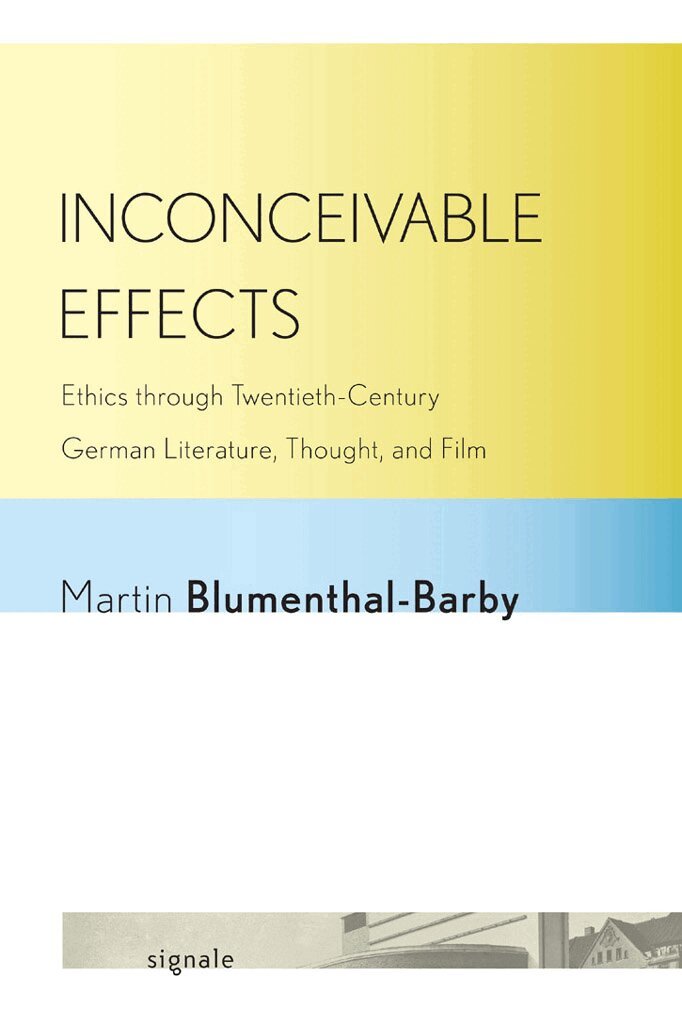
Inconceivable Effects
Ethics Through Twentieth-Century German Literature, Thought, and Film
Häftad, 2013
562 kr
Lägg i varukorg
In Inconceivable Effects, Martin Blumenthal-Barby reads theoretical, literary and cinematic works that appear noteworthy for the ethical questions they raise. Via critical analysis of writers and filmmakers whose projects have changed our ways of viewing the modern world—including Hannah Arendt, …
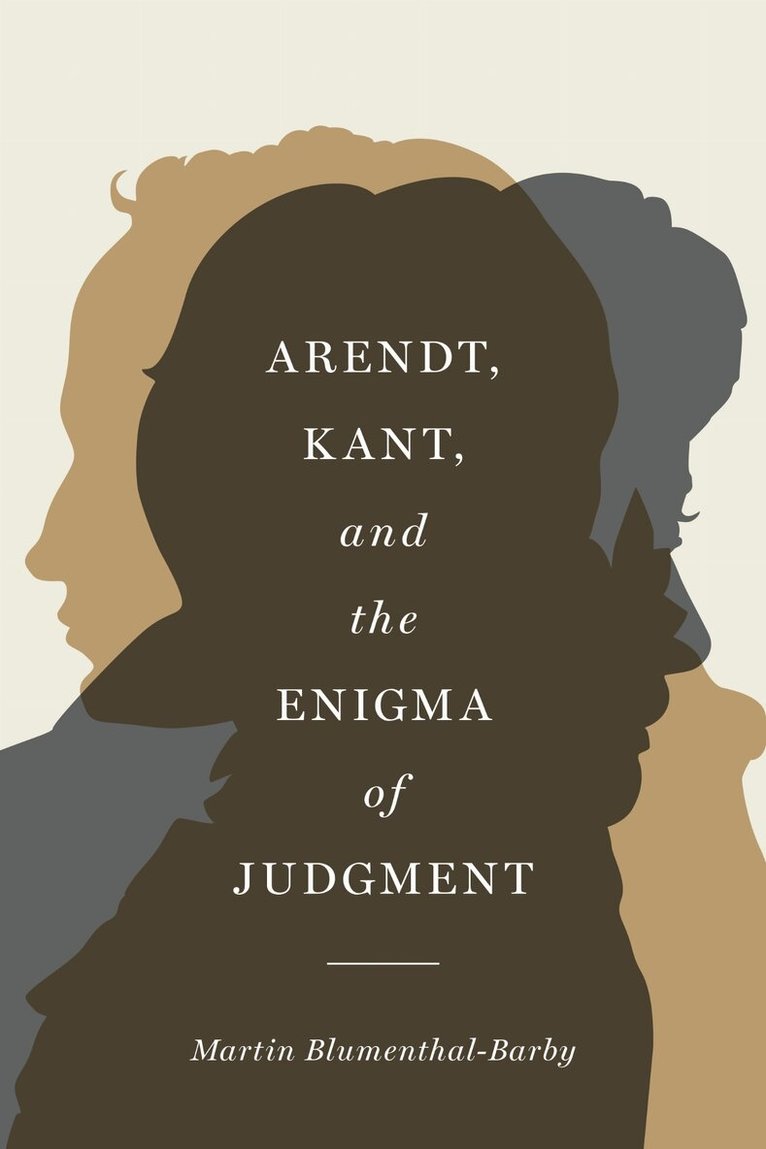
Arendt, Kant, and the Enigma of Judgment
Häftad, 2022
414 kr
Lägg i varukorg
A nuanced extrapolation of Hannah Arendt’s theory of judgment through her highly provocative reading of Immanuel KantMore than a half century after it was first published, Hannah Arendt’s Origins of Totalitarianism rose to the top of best-seller lists as readers grappled with the triumph of …
Cinema and Surveillance
The Asymmetric Gaze
Inbunden, 2024
998 kr
Lägg i varukorg
Cinema and Surveillance: The Asymmetric Gaze shows how key modern filmmakers challenge and disturb the relation between film and surveillance, medium and message. Assembling readings of films by Harun Farocki, Michael Haneke, and Fritz Lang, the book considers surveillance in such different domains …
Cinema and Surveillance
The Asymmetric Gaze
Häftad, 2025
371 kr
Lägg i varukorg
Cinema and Surveillance: The Asymmetric Gaze shows how key modern filmmakers challenge and disturb the relation between film and surveillance, medium and message. Assembling readings of films by Harun Farocki, Michael Haneke, and Fritz Lang, the book considers surveillance in such different domains …
Cinema and Surveillance
The Asymmetric Gaze
E-bok, 2024
419 kr
Lägg i varukorg
Cinema and Surveillance: The Asymmetric Gaze shows how key modern filmmakers challenge and disturb the relation between film and surveillance, medium and message. Assembling readings of films by Harun Farocki, Michael Haneke, and Fritz Lang, the book considers surveillance in such different domains …
Cinema and Surveillance
The Asymmetric Gaze
E-bok, 2024
433 kr
Lägg i varukorg
Cinema and Surveillance: The Asymmetric Gaze shows how key modern filmmakers challenge and disturb the relation between film and surveillance, medium and message. Assembling readings of films by Harun Farocki, Michael Haneke, and Fritz Lang, the book considers surveillance in such different domains …
Arendt, Kant, and the Enigma of Judgment
Inbunden, 2022
1354 kr
Tillfälligt slut
A nuanced extrapolation of Hannah Arendt’s theory of judgment through her highly provocative reading of Immanuel KantMore than a half century after it was first published, Hannah Arendt’s Origins of Totalitarianism rose to the top of best-seller lists as readers grappled with the triumph of …