

Inbunden, Engelska, 1974
5 918 kr
Skickas inom 7-10 vardagar
The Modern Age 1890-1960
5 918 kr
Skickas inom 7-10 vardagar

173 kr
Skickas inom 5-8 vardagar
53 kr
Läs direkt efter köp

453 kr
Läs direkt efter köp

458 kr
Läs direkt efter köp
1 440 kr
Skickas inom 10-15 vardagar
424 kr
Skickas inom 10-15 vardagar
279 kr
Lyssna direkt efter köp
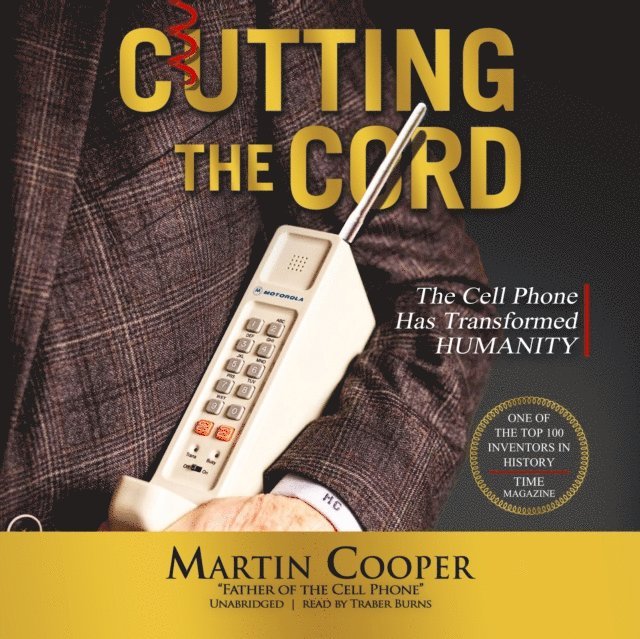
One of Time Magazine’s Top 100 Inventors in History shares an insider’s story of the cellphone, how it changed the world—and a view of where it’s headed.
While at Motorola in the 1970s, wireless communications pioneer Martin Cooper invented the first handheld mobile phone. But the cellphone as we know it today almost didn’t happen. Now, in Cutting the Cord, Cooper takes listeners inside the stunning breakthroughs, devastating failures, and political battles in the quest to revolutionize—and control—how people communicate. It’s a dramatic tale involving brilliant engineers, government regulators, lobbyists, police, quartz crystals, and a horse.
Industry skirmishes sparked a political war in Washington to prevent a monopolistic company from dominating telecommunications. The drama culminated in the first-ever public call made on a handheld, portable telephone—by Cooper himself.
The story of the cell phone has much to teach about innovation, strategy, and management. But the story of wireless communications is far from finished. This book also relates Cooper’s vision of the future. From the way we work and the way children learn to the ways we approach medicine and healthcare, advances in the cellphone will continue to reshape our world for the better.

197 kr
Skickas inom 5-8 vardagar

207 kr
Skickas inom 5-8 vardagar

314 kr
Skickas inom 5-8 vardagar

1 136 kr
Skickas inom 10-15 vardagar

1 413 kr
Läs direkt efter köp

1 137 kr
Skickas inom 10-15 vardagar

127 kr
Läs direkt efter köp
5 918 kr
Skickas inom 7-10 vardagar
173 kr
Skickas inom 5-8 vardagar
53 kr
Läs direkt efter köp
453 kr
Läs direkt efter köp
458 kr
Läs direkt efter köp
1 440 kr
Skickas inom 10-15 vardagar
424 kr
Skickas inom 10-15 vardagar
279 kr
Lyssna direkt efter köp
One of Time Magazine’s Top 100 Inventors in History shares an insider’s story of the cellphone, how it changed the world—and a view of where it’s headed.
While at Motorola in the 1970s, wireless communications pioneer Martin Cooper invented the first handheld mobile phone. But the cellphone as we know it today almost didn’t happen. Now, in Cutting the Cord, Cooper takes listeners inside the stunning breakthroughs, devastating failures, and political battles in the quest to revolutionize—and control—how people communicate. It’s a dramatic tale involving brilliant engineers, government regulators, lobbyists, police, quartz crystals, and a horse.
Industry skirmishes sparked a political war in Washington to prevent a monopolistic company from dominating telecommunications. The drama culminated in the first-ever public call made on a handheld, portable telephone—by Cooper himself.
The story of the cell phone has much to teach about innovation, strategy, and management. But the story of wireless communications is far from finished. This book also relates Cooper’s vision of the future. From the way we work and the way children learn to the ways we approach medicine and healthcare, advances in the cellphone will continue to reshape our world for the better.
197 kr
Skickas inom 5-8 vardagar
207 kr
Skickas inom 5-8 vardagar
314 kr
Skickas inom 5-8 vardagar
1 136 kr
Skickas inom 10-15 vardagar
1 413 kr
Läs direkt efter köp
1 137 kr
Skickas inom 10-15 vardagar
127 kr
Läs direkt efter köp