Martin Duberman – författare
Visar alla böcker från författaren Martin Duberman. Handla med fri frakt och snabb leverans.
37 produkter
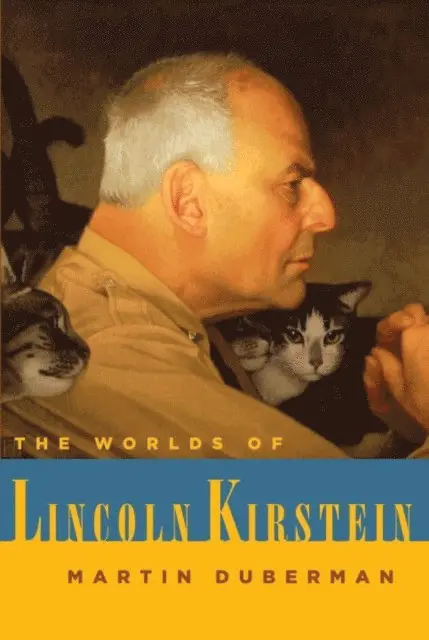
Worlds of Lincoln Kirstein
E-bok, 2009
205 kr
Lägg i varukorg
A rich and revelatory biography of one of the crucial cultural figures of the twentieth century. Lincoln Kirstein’s contributions to the nation’s life, as both an intellectual force and advocate of the arts, were unparalleled. While still an undergraduate, he started the innovative literary journal …
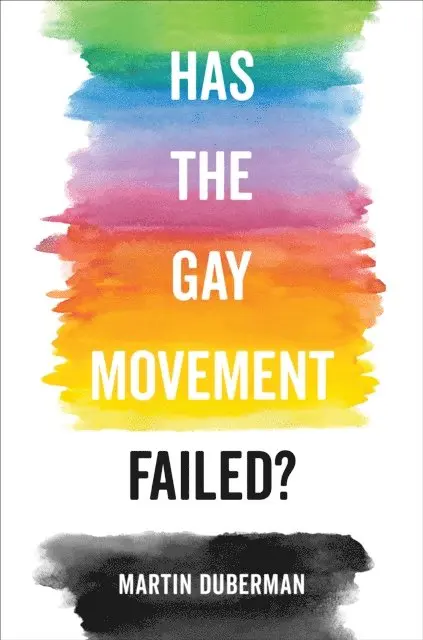
Has the Gay Movement Failed?
Inbunden, 2018
252 kr
Lägg i varukorg
"Martin Duberman is a national treasure."—Masha Gessen, The New YorkerThe past fifty years have seen significant shifts in attitudes toward LGBTQ people and wider acceptance of them in the United States and the West. Yet the extent of this progress, argues Martin Duberman, has been more broad and …
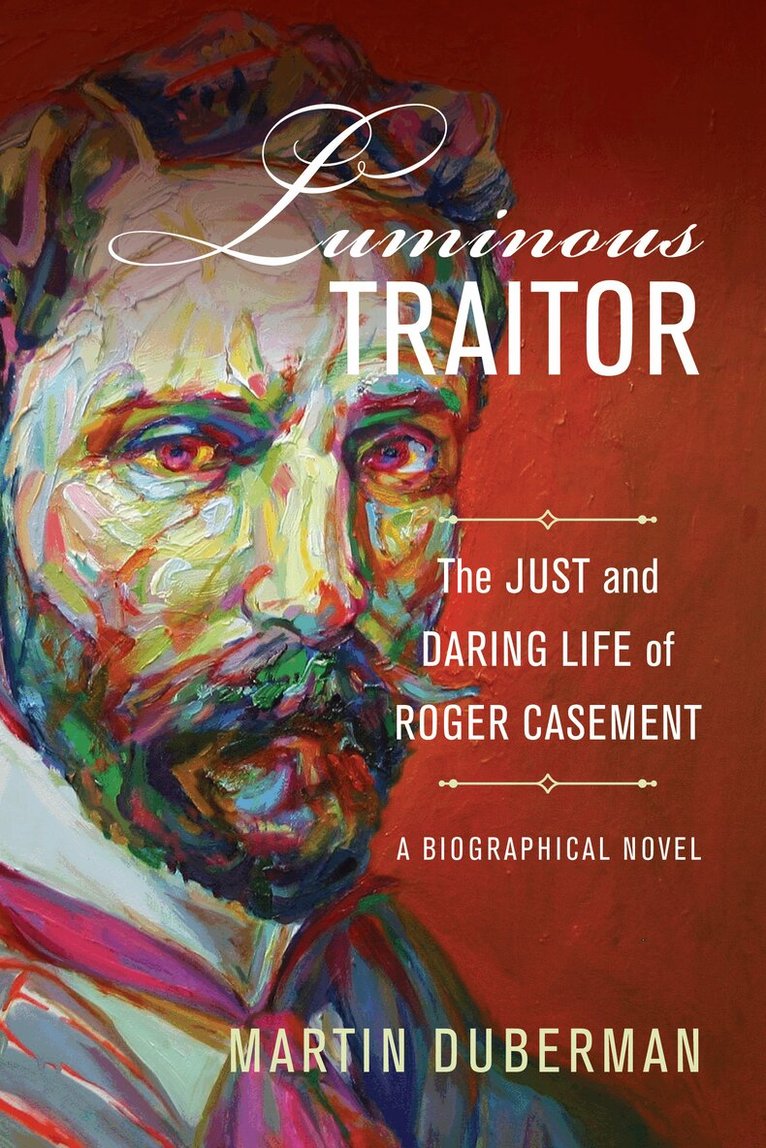
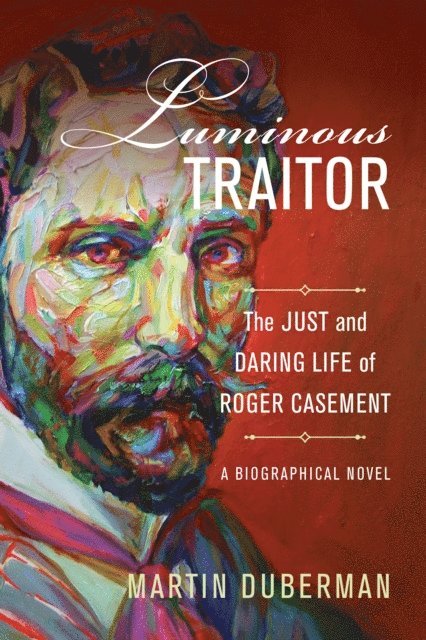
Luminous Traitor
The Just and Daring Life of Roger Casement, a Biographical Novel
Inbunden, 2018
295 kr
Lägg i varukorg
"Martin Duberman is a national treasure."—Masha Gessen, The New Yorker Roger Casement was an internationally renowned figure at the beginning of the 20th century, famous for exposing the widespread atrocities against the indigenous people in King Leopold's Congo and his subsequent exposure—for …
Has the Gay Movement Failed?
Häftad, 2020
225 kr
Lägg i varukorg
"Martin Duberman is a national treasure."—Masha Gessen, The New YorkerThe past fifty years have seen significant shifts in attitudes toward LGBTQ people and wider acceptance of them in the United States and the West. Yet the extent of this progress, argues Martin Duberman, has been more broad and …
Has the Gay Movement Failed?
E-bok, 2018
375 kr
Lägg i varukorg
"Martin Duberman is a national treasure." —Masha Gessen, The New Yorker The past fifty years have seen significant shifts in attitudes toward LGBTQ people and wider acceptance of them in the United States and the West. Yet the extent of this progress, argues Martin Duberman, has been more broad and …
Luminous Traitor
The Just and Daring Life of Roger Casement, a Biographical Novel
E-bok, 2018
558 kr
Lägg i varukorg
"Martin Duberman is a national treasure." —Masha Gessen, The New Yorker Roger Casement was an internationally renowned figure at the beginning of the 20th century, famous for exposing the widespread atrocities against the indigenous people in King Leopold's Congo and his subsequent exposure—for …
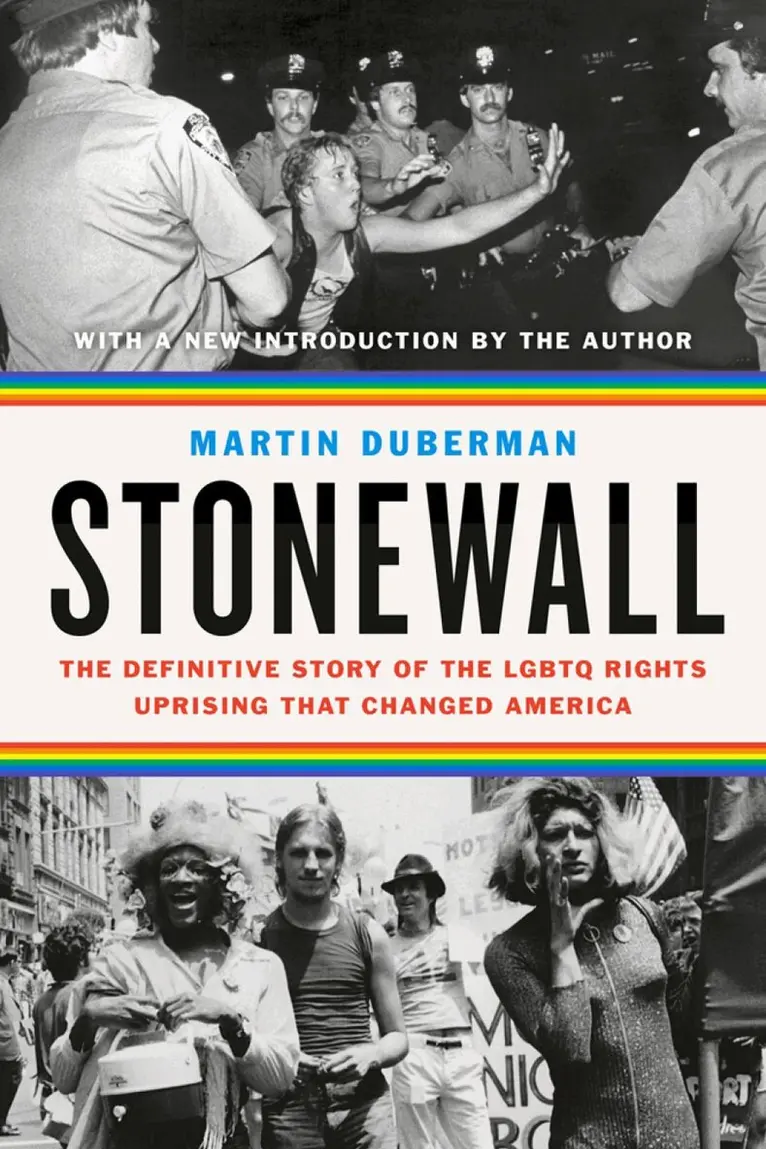
Stonewall
Häftad, 2019
193 kr
Lägg i varukorg
A history of the Stonewall riots, the first Gay Rights March, and the LGBTQ activists at the centre of the movement.
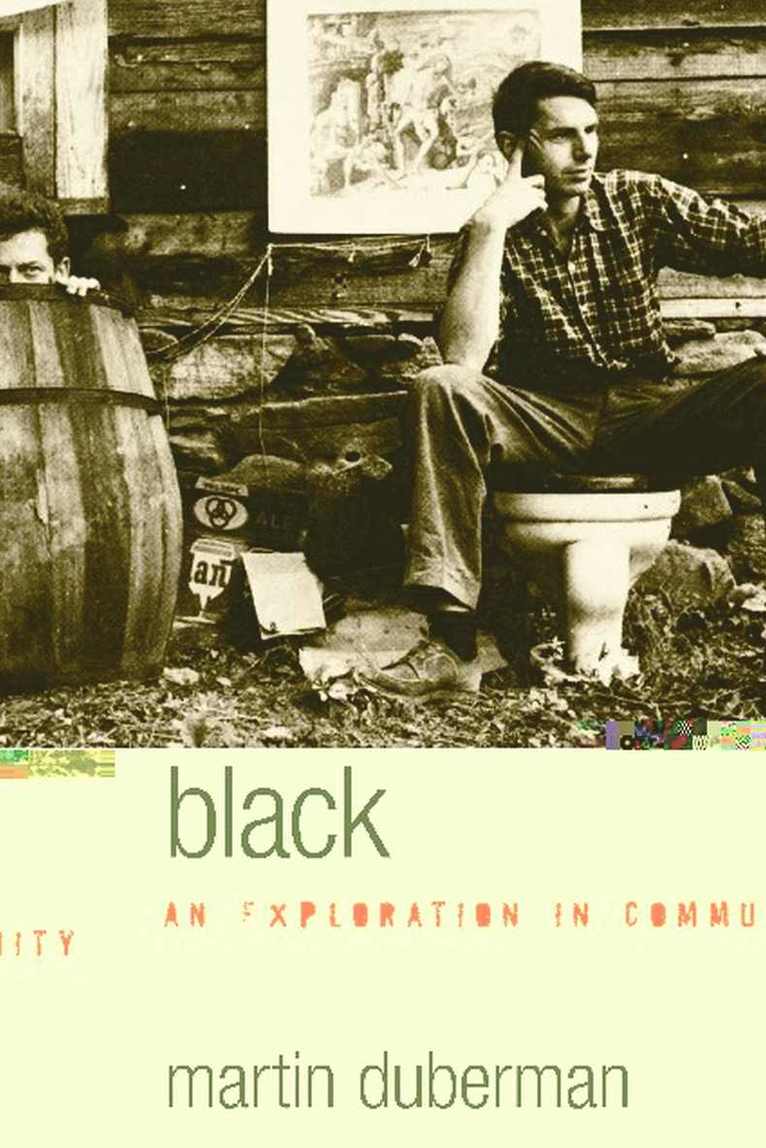
Black Mountain
An Exploration in Community
Häftad, 2009
338 kr
Lägg i varukorg
With faculty and alumni that included John Cage, Robert Creeley, Merce Cunningham, Buckminster Fuller, Charles Olson, Josef and Anni Albers, Paul Goodman, and Robert Rauschenberg, Black Mountain College ranked among the most important artistic and intellectual communities of the twentieth century. …
Cures
A Gay Man's Odyssey, Tenth Anniversary Edition
Häftad, 2002
225 kr
Lägg i varukorg
This is the tenth anniversary edition of Cures: A Gay Man's Odyssey , Martin Duberman's classic memoir of growing up gay in pre-Stonewall America. The tale of his desperate struggle to cure" himself of his homosexuality through psychotherapy is utterly frank and deeply moving. But Cures is more …
Queer World
The Center for Lesbian and Gay Studies Reader
Inbunden, 1997
967 kr
Lägg i varukorg
An anthology of the Center for Lesbian and Gay Studies's most provactive LGBT scholarshipThis compendious, cutting-edge volume offers a broad array of the most provocative gay, lesbian, bisexual, and transgender scholarship produced by the Center for Lesbian and Gay Studies (CLAGS) over the first …
Queer World
The Center for Lesbian and Gay Studies Reader
Häftad, 1997
498 kr
Lägg i varukorg
An anthology of the Center for Lesbian and Gay Studies's most provactive LGBT scholarshipThis compendious, cutting-edge volume offers a broad array of the most provocative gay, lesbian, bisexual, and transgender scholarship produced by the Center for Lesbian and Gay Studies (CLAGS) over the first …
Queer Representations
Reading Lives, Reading Cultures (a Center for Lesbian and Gay Studies Book)
Häftad, 1997
426 kr
Lägg i varukorg
Queer Representations celebrates the eclectic, diverse nature of gay and lesbian culture and its production.The volume begins by asking how we can interpret an image--is the image homosexual and if so, how can we understand it? Closely connected to its interpretation is how we visualize …
Rest of It
Hustlers, Cocaine, Depression, and Then Some, 1976–1988
Inbunden, 2018
482 kr
Lägg i varukorg
For many, the death of a parent marks a low point in their personal lives. For Martin Duberman-a major historian and a founding figure in the history of gay and lesbian studies-the death of his mother was just the beginning of what became a twelve-year period filled with despair, drug addiction, …
Rest of It
Hustlers, Cocaine, Depression, and Then Some, 1976–1988
E-bok, 2018
692 kr
Lägg i varukorg
For many, the death of a parent marks a low point in their personal lives. For Martin Duberman—a major historian and a founding figure in the history of gay and lesbian studies—the death of his mother was just the beginning of what became a twelve-year period filled with despair, drug addiction, …
Paul Robeson
A Biography
E-bok, 2014
153 kr
Lägg i varukorg
The remarkable life of Paul Robeson, quintessential Harlem Renaissance man: scholar, all-American, actor, activist, and firebrandBorn the son of an ex-slave in New Jersey in 1898, Paul Robeson, endowed with multiple gifts, seemed destined for fame. In his youth, he was as tenacious in the classroom …
Haymarket
A Novel
Inbunden, 1900
261 kr
Lägg i varukorg
On the night of May 4, 1886, during a peaceful demonstration of labor activists in Haymarket Square in Chicago, a dynamite bomb was thrown into the ranks of police -trying to disperse the crowd. The officers immediately opened fire, killing a number of protestors and wounding some two hundred …
Haymarket
A Novel
E-bok, 2011
214 kr
Lägg i varukorg
On the night of May 4, 1886, during a peaceful demonstration of labor activists in Haymarket Square in Chicago, a dynamite bomb was thrown into the ranks of police -trying to disperse the crowd. The officers immediately opened fire, killing a number of protestors and wounding some two hundred …
Saving Remnant
Häftad, 2012
213 kr
Lägg i varukorg
Barbara Deming and David McReynolds first met in the early 1960s. An American feminist, writer and political activist with a deep commitment to non-violent struggle, she was repeatedly jailed for her participation in non-violent protests. David McReynolds was the first openly gay man to run for …
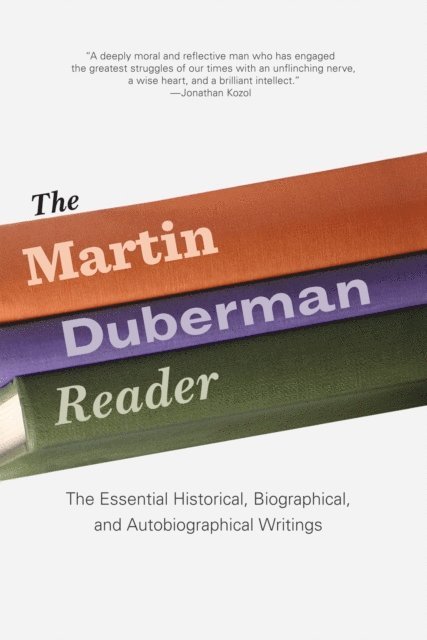
Martin Duberman Reader
The Essential Historical, Biographical, and Autobiographical Writings
E-bok, 2015
153 kr
Lägg i varukorg
"A wonderful introduction to Duberman''s writing but is also a fitting tribute to a man who has devoted his life to promoting social change" (Publishers Weekly). For the past fifty years, prize-winning historian Martin Duberman''s groundbreaking writings have established him as one of our …
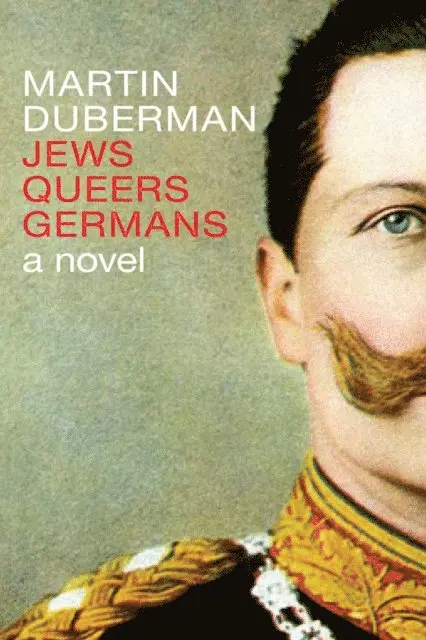
Jews Queers Germans
A Novel
E-bok, 2017
218 kr
Lägg i varukorg
A breathtaking historical novel that recreates the intimate milieu around Germany''s Kaiser Wilhelm from 1907 through the 1930s, a period of great human suffering and destruction and also of enormous freedom and creativity, a time when the remnants and artifices of the old word still mattered, and …
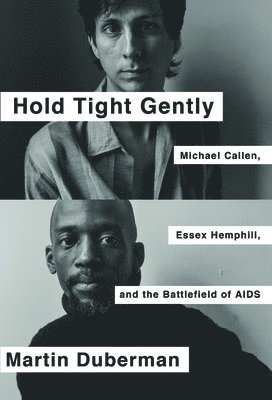
Hold Tight Gently
Michael Callen, Essex Hemphill, and the Battlefield of AIDS
Häftad, 2016
201 kr
Lägg i varukorg
Meticulously researched and evocatively told, Hold Tight Gently is historian Martin Duberman's poignant memorial to those lost to AIDS and to two of the great unsung heroes of the early years of the epidemic. Composer Michael Callen became a leading figure in the movement to increase awareness of …
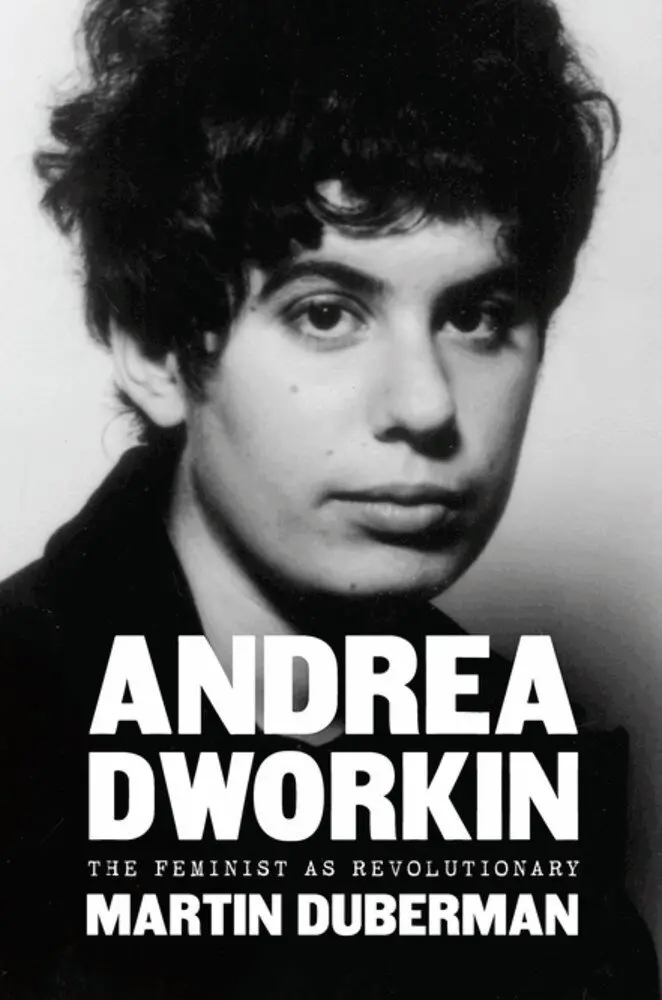
Andrea Dworkin
The Feminist as Revolutionary
Inbunden, 2020
287 kr
Lägg i varukorg
From one of America's leading biographers, the definitive story of the radical feminist and anti-pornography activist, based on exclusive access to her archivesFifteen years after her death, Andrea Dworkin remains one of the most important and challenging figures in second-wave feminism. Although …
Paul Robeson
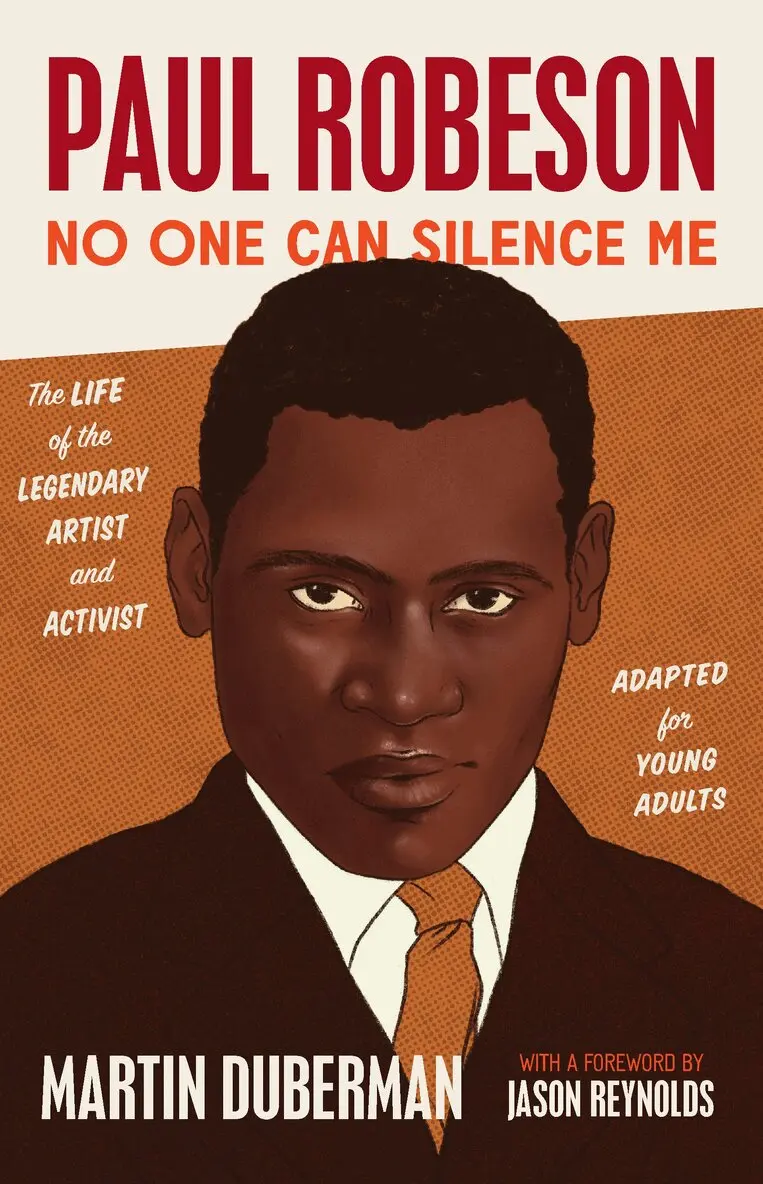
No One Can Silence Me: The Life of the Legendary Artist and Activist (Adapted for Young Adults)
Inbunden, 2021
278 kr
Lägg i varukorg
The inspiring life and legacy of vocal artist and civil rights icon Paul Robeson—one of the most important public figures in the twentieth century—adapted for young adults by the acclaimed Robeson biographer"As an artist I come to sing, but as a citizen, I will always speak for peace, and no one …
Paul Robeson
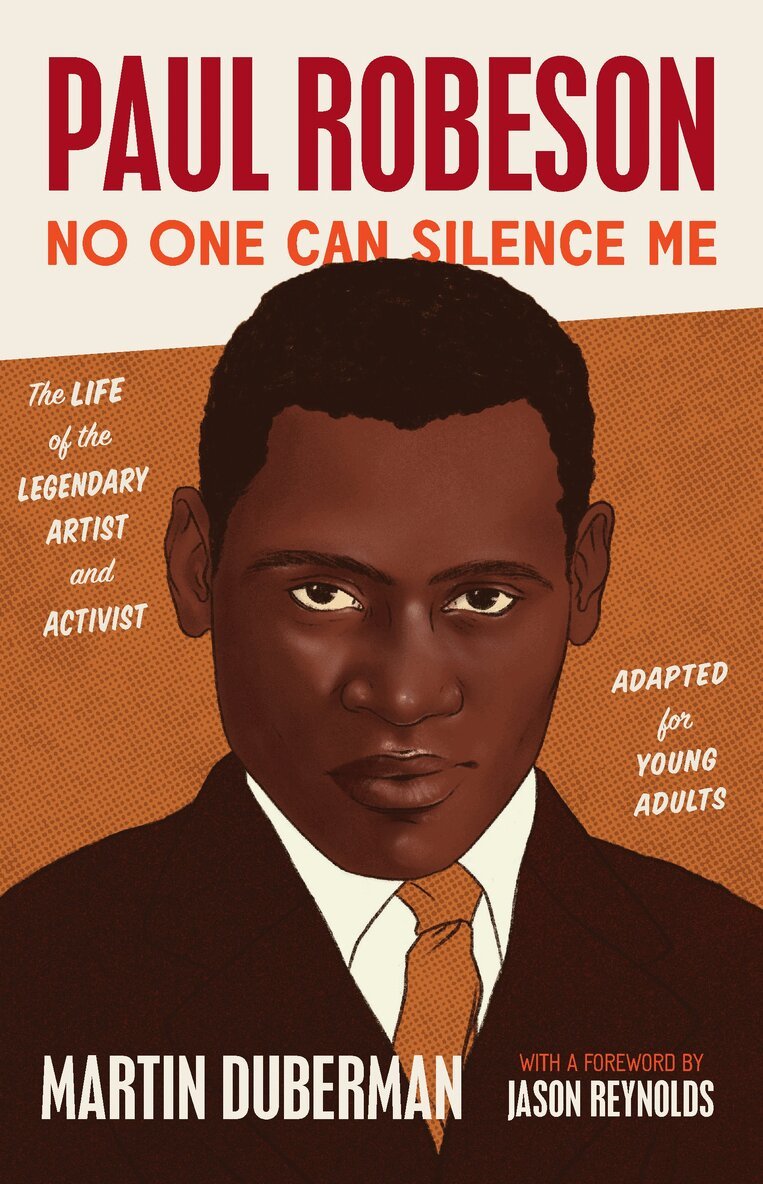
No One Can Silence Me: The Life of the Legendary Artist and Activist (Adapted for Young Adults)
Inbunden, 2026
185 kr
Lägg i varukorg
Commemorating the fiftieth anniversary of Paul Robeson’s death, a young adult version of his life, based on the biography USA Today called “magnificent”“A history of a global luminary figure that serves as a reminder of the courageous freedom-fighting work in front of us."—Kirkus Reviews (starred …
Reaching Ninety
E-bok, 2023
182 kr
Lägg i varukorg
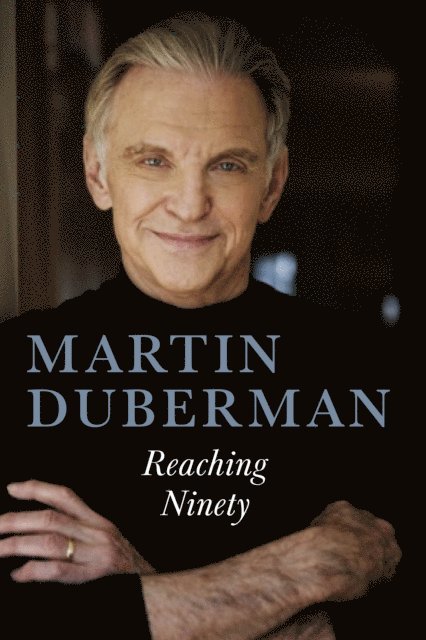
Martin Duberman, one of the LGBTQ+ community''s maverick thinkers and historians, looks back on ninety years of life, his history in the movement, and what he''s learned. In the early Sixties, Martin Duberman published a path-breaking article defending the Abolitionists against the then-standard …
Reaching Ninety
E-bok, 2023
180 kr
Lägg i varukorg
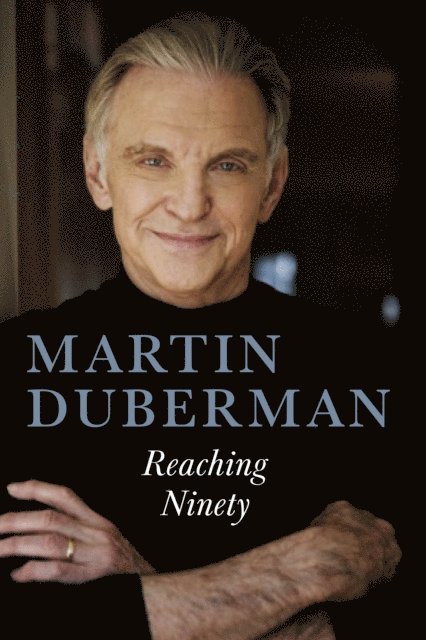
Martin Duberman, one of the LGBTQ+ community''s maverick thinkers and historians, looks back on ninety years of life, his history in the movement, and what he''s learned. In the early Sixties, Martin Duberman published a path-breaking article defending the Abolitionists against the then-standard …
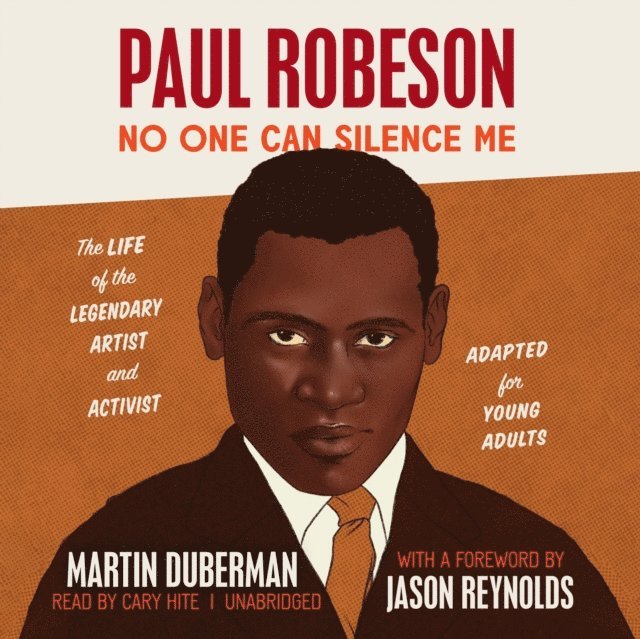
Paul Robeson
No One Can Silence Me (Adapted for Young Adults)
Ljudbok, 2021
253 kr
Lägg i varukorg
The inspiring life and legacy of vocal artist and civil rights icon Paul Robeson—one of the most important public figures in the twentieth century—adapted for young adults by the acclaimed Robeson biographer “As an artist I come to sing, but as a citizen, I will always speak for peace, and no one …
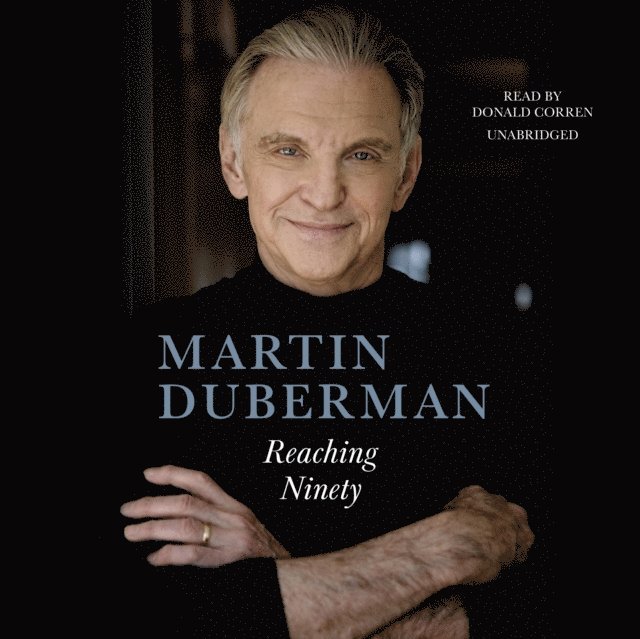
Reaching Ninety
Ljudbok, 2023
969 kr
Lägg i varukorg
Martin Duberman, one of the LGBTQ+ community’s maverick thinkers and historians, looks back on ninety years of life, his history in the movement, and what he’s learned. In the early sixties, Martin Duberman published a path-breaking article defending the Abolitionists against the then-standard view …